


NABE | SAVORY

Nabe is a variety of different hot pot dishes typically enjoyed during the colder seasons. Most nabes are stews and soups where one giant pot sits in the middle of the table and cooks whatever you wish to have cooked inside the pot. Diners can pick whatever they want out of the pot. Usually the hot pot is accompanied by some sort of dipping sauce or broth to go along with the inside ingredients. There are many different types of nabe depending on the flavoring of the broth. It can range from very light flavored broths such as kombu stock or heavy stocks such as miso and soy sauce. Nabe is not to be confused with shabu shabu. Although very similar, the preparation between the two is different - Nabe is when all the ingredients are cooked in the pot at once while shabu shabu is cooked one by one.

Photo Credit: Japan Shopping

Photo Credit: Favy

NINGYOYAKI | SWEET

Ningyoyaki, or literally baked dolls are a famous sweet snack from Asakusa in Tokyo. They are basically small cakes filled with red beans in different shapes. There are many shops that sell Ningyoyaki at the Nakamise Shopping Street that lead up to the famous Sensoji Temple. They were invented in the late 1800s and originally were in the shapes of Shichifukujin or the Seven Lucky Gods. So, you can imagine if there was instagram back then, it would have been a big hit on social media! Now, they are in many different shapes such as temples, pagodas and even characters like Hello Kitty.

Photo Credit: Japan Guide

Photo Credit: Japan Shopping

OKONOMIYAKI | SAVORY

Okonomiyaki is a pan fried, savory pancake with a variety of different toppings. It has a wide range of what can be inside of it, as the name suggests - okonomi means whatever you like and yaki means fried. The dish is widely available all over Japan, but it’s particularly famous in Hiroshima and Osaka. Usually it’s made from regular pancake batter, cabbage, green onions and meats such as pork and seafood. Almost anything goes with okonomiyaki. To best describe the dish, it’s kind of a hybrid between a pancake and pizza with your favorite toppings. To eat okonomiyaki, people go to okonomiyaki specialty stores where every table has its own iron griddle where you can cook the pancake yourself (sometimes the staff will cook for you or even be brought to you already made).

Photo Credit: Japan Shopping

Photo Credit: Japan Guide

ONIGIRI | SAVORY

Onigiri is a widely popular Japanese lunch dish - particularly popular at picnics. In English it can be known as a rice ball and is usually white rice, balled up into a triangular shaped ball, wrapped in seaweed and filled with some kind of ingredient such as Japanese sour plum, salmon, kombu, fish roe and so on. Onigiri actually dates back over thousands of years and was even said to be carried by Samurai in a bamboo sheath during a war to have a quick and easily portable lunch. Today it’s very common to be bought from a convenience store such as 7-Elevens, Lawsons or Family Marts. They are also served at izakayas, homemade and of course onigiri specialty stores (usually not sit down).

Photo Credit: Japan Centre

Photo Credit: Japan Centre

RAMEN | SAVORY

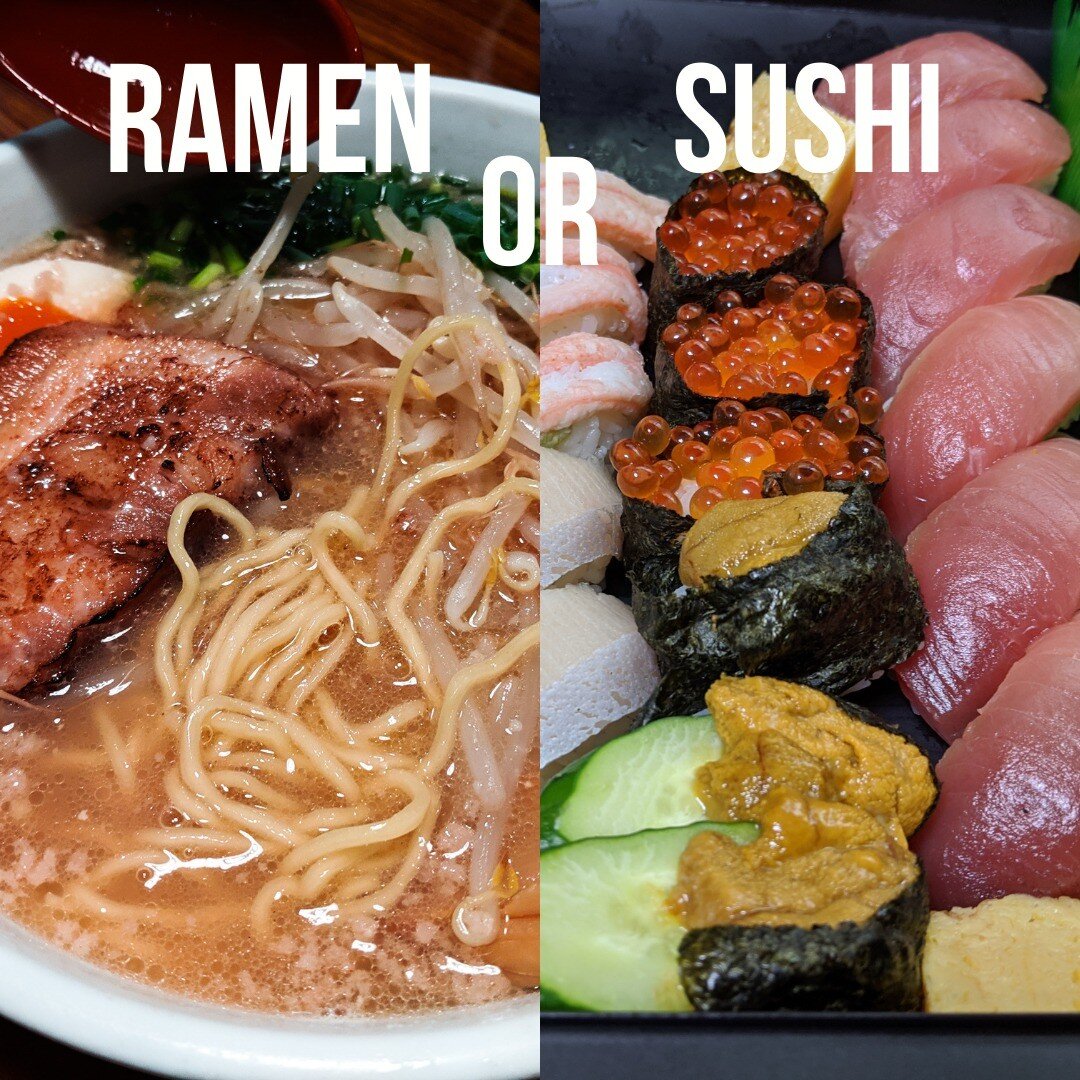
One of the most well known dishes in Japan, ramen is a soup noodle that actually originated in China. It's cheap, delicious and can be found literally everywhere in Japan making it a popular choice among budget travelers in Japan. There are many different types of ramen and regional differences but here are the basic types of ramen in Japan: 

Shoyu Ramen (soy sauce): A soy sauce base made from soy sauce, chicken broth and other meats such as pork or fish depending on the place. One of the most common ramens, and is usually the type of ramen that is served when the menu does not specify the type of ramen. 

Shio (salt): Base made from lightly seasoning salt in chicken or pork broth, usually both. 

Miso: Base made from soybean paste with pork broth (miso) making a thick, creamier soup base. It originated in Hokkaido. 

Tonkotsu (pork bone): Broth is made out of pork bones which have been boiled so much until the point that it’s a white broth. 

Tsukemen: Tsukemen is a different kind of ramen - basically it’s own category. The soup base and the noodles are separate. The soup base is in a different bowl and is usually thicker in concentration compared to regular ramen. The noodles are dipped into the soup and eaten.

tokyo-walking-tours-ramen.jpeg
RAMUNE | NONALCOHOLIC

Ramune is a beloved Japanese carbonated soft drink. There are many theories on how it originated but, ramune was invented in Japan some time during the late 1800s by some foreign influence. The name is actually a Japanese loan word from the American word lemonade. Ramune is basically regular soda (like Sprite), but it’s distinguishing feature is it’s codd-neck bottle with a marble ball as it’s cap. Nowadays, there are many different flavors such as melon, strawberry, grape and so on, but the most common and popular flavor to this day is the regular ramune flavor which has a slight lemon/lime candy flavoring to it.

 To open it, the bottle comes with a small plastic plunger topper connected to the top of the bottle. You remove it from the bottle and use it to push the marble down into the drink. It’s famously sold at festivals but you can find it at drinking establishments and grocery stores as well.

Photo credit: JW Magazine

Photo credit: Japan Centre

SAKE | ALCOHOLIC

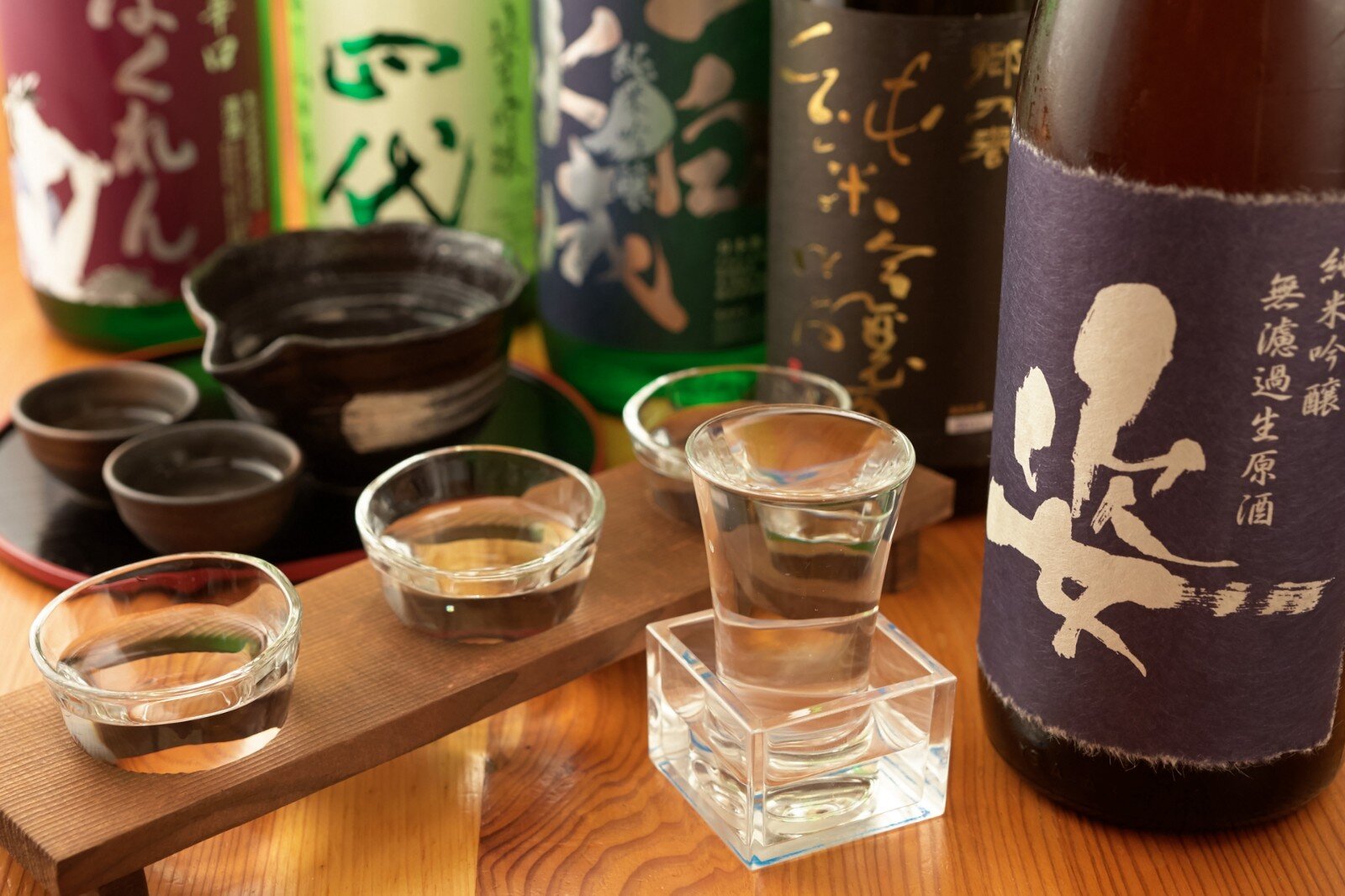
This popular Japanese alcoholic drink is made from fermented rice. In Japan, it’s commonly known as Nihonshu, as sake can sometimes refer to as alcohol in general. This drink is enjoyed at many restaurants and drinking establishments and is one of Japan’s most widely known alcoholic drinks internationally. The quality of sake is based on the quality of the rice, water, mold, yeast and it’s production process. Depending on how it’s made the alcoholic content can range anywhere from 15-20%. Niigata is known to have some of the best rice in Japan, thus making it well known for sake as well.

Photo credit: Japanese Cooking 101

Photo credit: JW Magazine

SASHIMI | SAVORY

Sashimi, alongside sushi and ramen is one of Japans most famous dishes. It is thinly sliced raw foods like seafood or even meats such as horse and deer. Seafood is the most common and popular sashimi served just by itself, making it easy to confuse with sushi because sushi consists of raw seafood over vinegar rice. Sashimi is served at many types of restaurants and most izakayas. It can be a delicious side to go with alcohol or a part of kaiseki course meals and teishoku set meals. It is eaten by dipping it with soy sauce and wasabi.

Photo credit: Savor Japan

Photo credit: Japanese Cooking 101

SATSUMA-AGE | SAVORY

Satsuma-age comes from Satsuma, Kagoshima Prefecture and it’s basically deep fried fishcakes. Because Kagoshima Prefecture had hot humid summers, they wanted to prevent the fish from spoiling so they invented the satsuma-age. The history is a little bit murky but one theory says that it was invented by the leader of the Satsuma Clan who ruled the Kagoshima prefecture at the time.  Satsuma-age is usually eaten as a side or a topping on noodles, oden or stewed dishes. There are many different types of satsuma-age ranging from vegetables to seafood.

Photo credit: Savor Japan

Photo credit: Savor Japan

SHABU SHABU | SAVORY

Shabu shabu is a type of Japanese nabemono or hotpot dish. It usually consists of thinly sliced meat and veggies in a boiling pot served with dipping sauce. The term is an onomatopoeia in Japan - the meat makes a shabu shabu noise when you swirl your meat in the boiling pot of water. The food item is all served raw initially and it is up to you to cook the meat in the boiling pot of water. Once your food is cooked you pick it out of the pot and eat with your choice of dipping sauces such as sesame seed sauce, ponzu sauce or ponzu with daikon. Shabu Shabu is usually only eaten at shabu shabu specialty stores or more commonly at home.

Photo credit: Just One Cookbook

Photo credit: Savor Japan