



SHOCHU SOURS/CHUHAI | ALCOHOLIC

Although sake is one of the most well known alcoholic beverages in Japan, there are a few other that are more consumed by Japanese people. After beer, shochu sours/chuhai are the second most consumed in Japan. Depending on the place they can either be called sours or chuhai. It’s an alcoholic drink mixed with shochu (a type of alcohol made from sweet potato, barley, rice, buckwheat and sugar cane) soda water and some kind of flavoring. Common flavoring is lemon juice, grapefruit juice, yuzu, grape juice, umeshu and so on. Typically sours/chuhai range anywhere from 3-8% in alcohol.
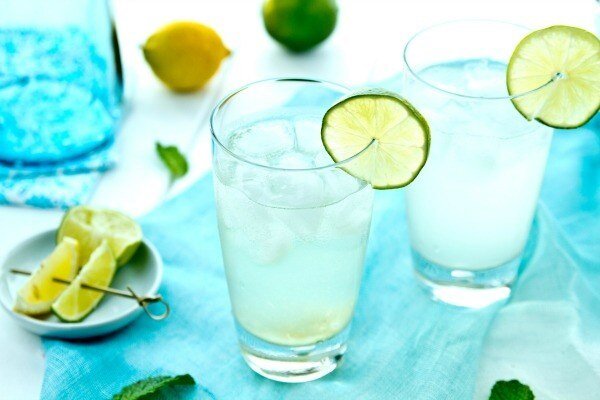
Photo credit: Live Japan

Photo credit: Just One Cookbook

SOBA NOODLES | SAVORY

Soba noodles are buckwheat flour noodles that can served either hot or cold. Some foods have the name soba in it such as yakisoba, chuka soba and okinawa soba, but note that those do not use soba noodles but rather regular wheat flour noodles. The most basic dish of soba is mori soba - when the soba is prepared cold and served with a dipping sauce (tsuyu). The other popular soba dish is known as kake soba -which is prepared in a hot warm broth with the same dipping sauce but with a lower concentration. Soba noodle restaurants are everywhere in Japan.

Photo credit: Tsunagu Japan

Photo credit: Live Japan

SUSHI | SAVORY

One of the most well known Japanese foods in the world that needs no introduction...sushi! This popular Japanese dish dates back hundreds of years and actually has various forms, but the most common one that everyone knows now is the nigiri sushi - one piece of seafood over vinegar rice. This type of sushi was invented in the Edo period (1603-1868) and was considered to be fast food. There are many types of sushi which can include raw fish, cooked fish and vegetable options. You can find sushi in Japan anywhere. From cheap 100 yen revolving sushi to high end counter sushi, you can even compare low and high quality sushi in Japan.

Photo credit: Favy Japan

Photo credit: Tsunagu Japan

TAIYAKI | SWEET

This popular fish-shaped cake imitates the shape of the tai fish. They are made with regular pancake or waffle batter with some kind of filling on the inside. The traditional filling is azuki red beans, but more recently there have been other popular flavors such as custard, chocolate, green tea, cheese and sweet potato.

Photo credit: Japan Centre

Photo credit: Favy Japan

TAKOYAKI | SAVORY

Takoyaki or octopus balls are a favorite dish throughout Japan, but are famous in Osaka. It’s a ball shaped appetizer made from wheat flour based batter with cut up pieces of octopus, green onion, tempura batter and ginger. It is usually covered with takoyaki sauce and mayonnaise for extra flavoring. Takoyaki is popularly sold at yatai (street food stalls), food courts and of course specialty restaurants.

Photo credit: Japan Centre

Photo credit: Japan Centre

TAMAGOYAKI | SWEET/SAVORY

A well known saying from the 1960s is that the 3 most loved things by Japanese children are The Giants baseball team, Taiho the legendary sumo wrestler, and tamagoyaki. Tamagoyaki is basically a Japanese omelette. It's actually not a traditional Japanese food and became popular after World War II. It is made similarly to an omelette but with sugar and mirin to make it a bit sweet. There are also different types of tamagoyaki - the sweet one which uses sugar and mirin or dashimaki tamago which uses dashi in it for a burst of umami.  Tamagoyaki is an essential component of bento (Japanese lunch box) and menu item at izakayas.

Photo credit: Japan Guide
TEMPURA | SAVORY

Tempura is various deep fried pieces of vegetables and seafood.  It was actually introduced to the Japanese by the Portuguese in the 16th century, but has since developed into a Japanese cuisine since then. Some popular tempuras are shrimp, fish, eggplant and pumpkin. They can be used as a main dish eaten with rice or on top of rice for a donburi , a side dish or toppings on udon and soba. Typically you can find the best tempura at Tempura restaurants which are known to be high class and high quality. The customer sits at a counter and the chef will prepare fresh tempura one by one. For cheaper options, you can eat tempura donburi’s (rice bowls), izakayas or udon/soba restaurants.

Photo credit: Tokyo Banana Website

Photo credit: Japan Guide

TOKYO BANANA | SWEET

Tokyo Banana has been voted the #1 souvenir to buy these past two years. This creme filled banana cake is one of Tokyo’s specialty. They were also the first company that sold souvenir cakes to put the word Tokyo in their name which contributed to it’s widely successful fame. These are great gifts from Tokyo or just snacks to bring back home! They have shops all over Tokyo including the airport and Tokyo Station.

Photo credit: Uncut Recipes

Photo credit: Tokyo Banana Website

TONKATSU | SAVORY

If you like deep fried, crispy foods, Tonkatsu is the heavenly delicious food for you. Tonkatsu is a breaded deep fried pork cutlet. They are usually cut into 2-3 cm pieces, coated with panko (bread crumbs), deep fried, then served with Japanese worcestershire sauce, white rice, cabbage and miso soup. They are also used in sandwiches for a tonkatsu sandwich as well.Typically there are two types of tonkatsu - pork loin (rosu) or fillet (hire). You can get tokatsu at tonkatsu restaurants and some izakayas. 

Photo credit: Tsunagu Japan

Photo credit: Uncut Recipes

UDON NOODLES | SAVORY

Udon is a thick, white and chewy wheat flour noodle. It’s thicker than soba and ramen noodles. Udon can be served either hot or cold but is often served hot in its most basic form. There are many different types of udon..literally hundreds! Typically udon is served in a mildly flavored broth called kakejiru made from dashi, soy sauce and mirin. It makes for a light flavor, bursting with umami. It can then be topped with scallions, tempura, eggs, aburaage (deep fried tofu), fishcake or whatever else you may like on it. Udon is widely available at udon and soba restaurants, causal dining restaurants, izakayas and eateries around tourist areas.

Photo credit: Favy

Photo credit: Tsunagu Japan