




How to Celebrate Showa Day in Japan | April 2026 Japan Tours

Photo Credit: Japan Rail Pass (Colorful koinobori dancing in the sky with Mount Fuji standing proud in the background)

If you’re planning a trip to Japan in late April, you’ll experience one of the country’s most important holiday periods—Golden Week. One of the key dates that marks the beginning of this festive season is Showa Day, celebrated every year on April 29.

But what exactly is Showa Day, and how can you experience it like a local? Here’s a simple guide to help you make the most of it during your April 2026 Japan tour.

What is Showa Day?

When is Showa Day?

How to Celebrate Showa Day in Japan?

Why Visit Japan During Showa Day?

What is Showa Day?

Showa Day honors the birthday of Emperor Showa, also known as Emperor Hirohito, who ruled Japan from 1926 to 1989. This period, known as the Showa Era, was a time of major change—from pre-war years to post-war recovery and rapid economic growth.

Rather than celebrating the emperor himself, Showa Day encourages people to reflect on Japan’s history and think about the future.
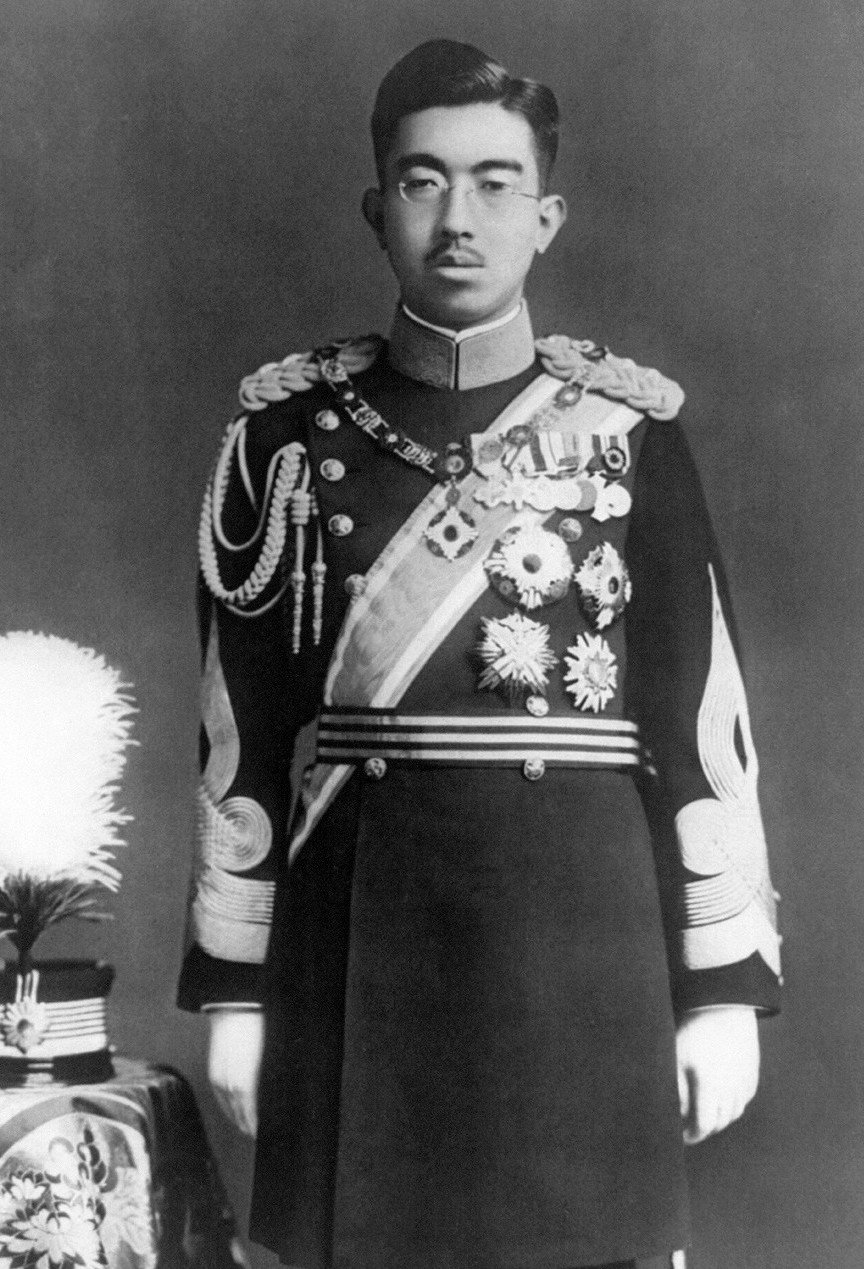
Photo Credit: Wikipedia

When is Showa Day 2026?

In 2026, Showa Day falls on Wednesday, April 29, kicking off the famous Golden Week—a series of national holidays that many locals use for travel and relaxation.

Photo Credit: Japan Wonder Travel Blog

How to Celebrate Showa Day in Japan

1. Visit Parks and Enjoy Nature

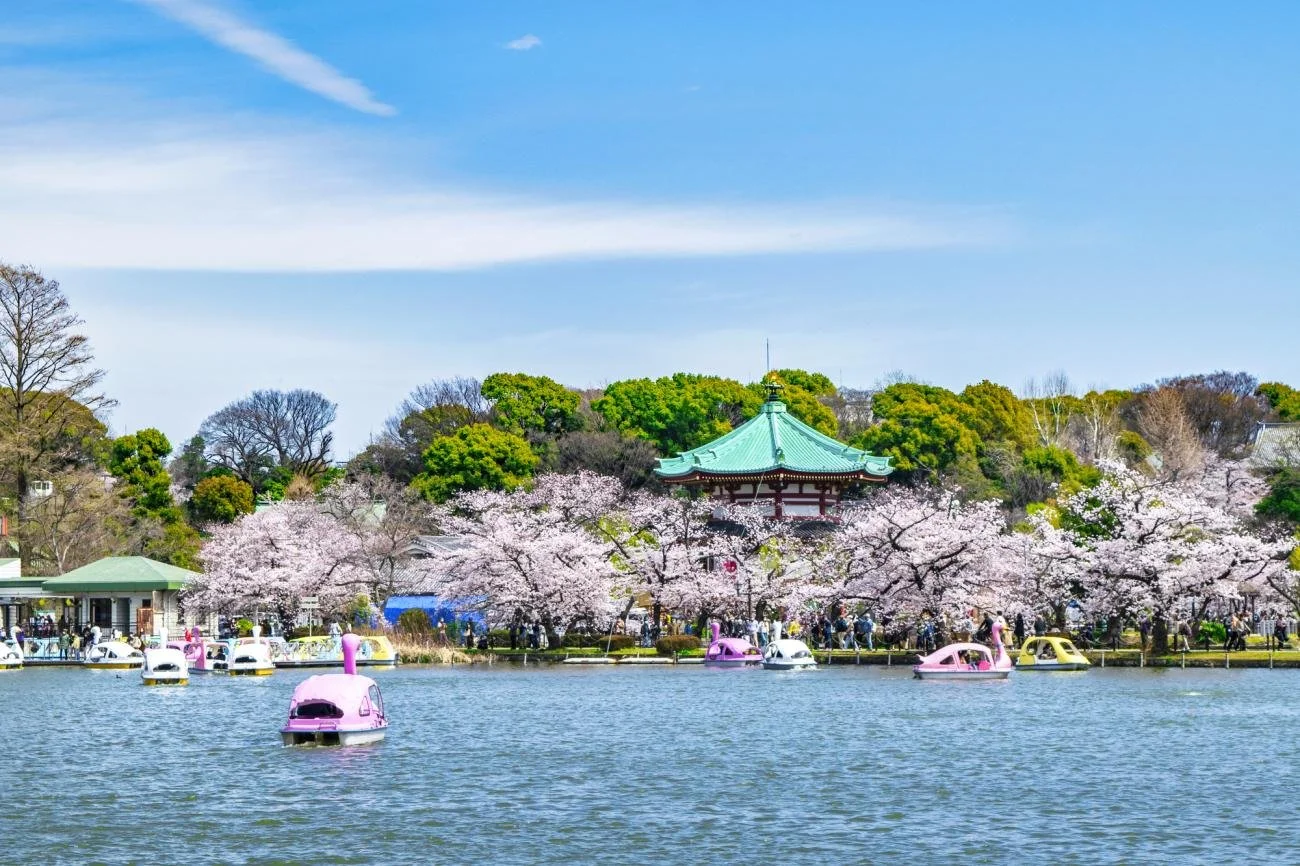
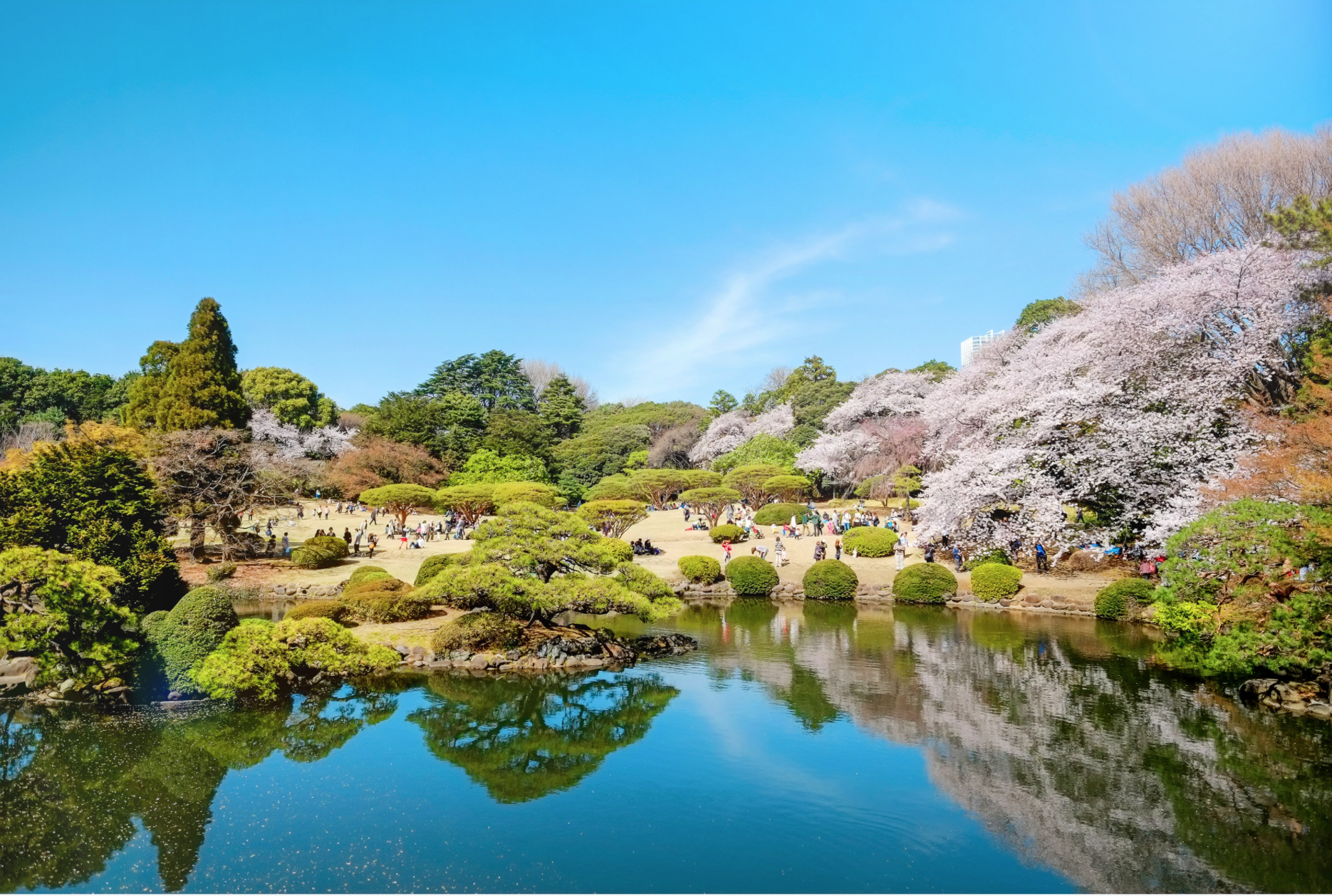
Showa Day is also about appreciating nature. Locals often spend the day outdoors, especially in spring when flowers are in bloom.

Popular spots in Tokyo include:

  • Shinjuku Gyoen National Garden

  • Ueno Park

Expect picnics, relaxed walks, and a peaceful atmosphere.

2. Explore Historical Sites

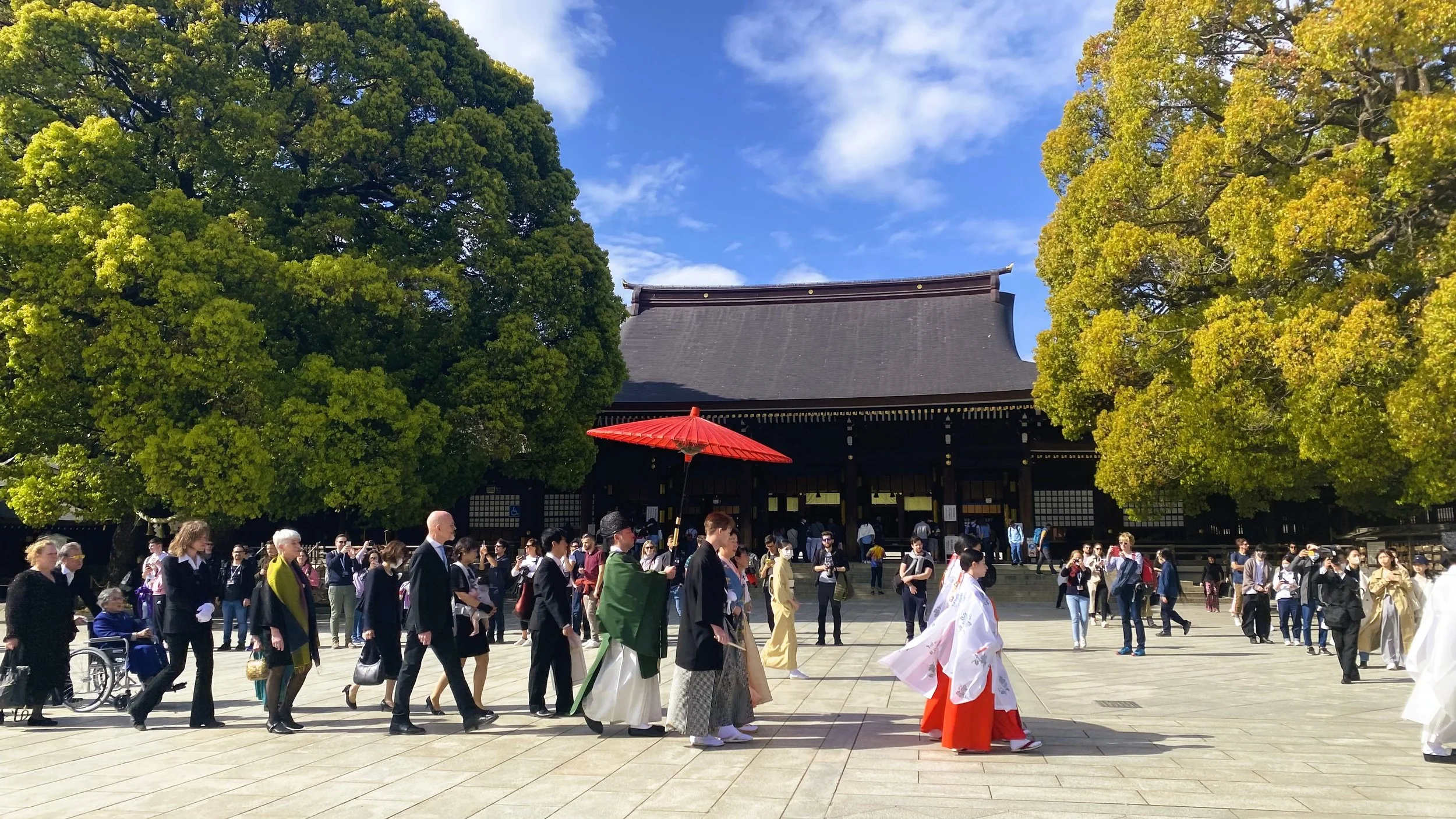
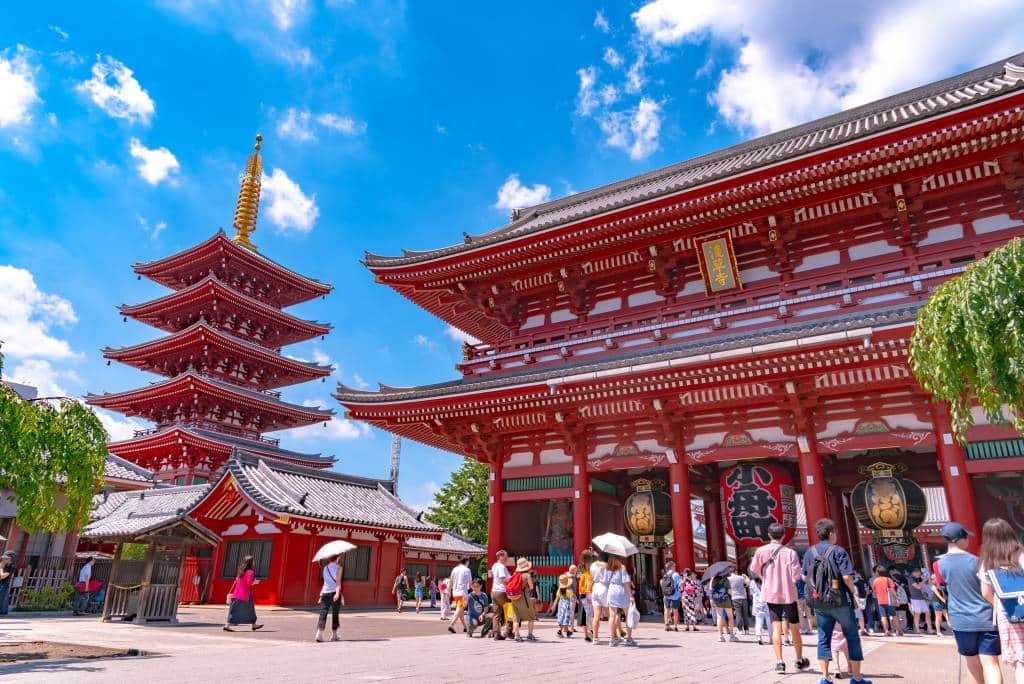
Since the day is about reflecting on history, it’s a great time to visit temples, shrines, and museums.

Some recommended places:

  • Meiji Shrine

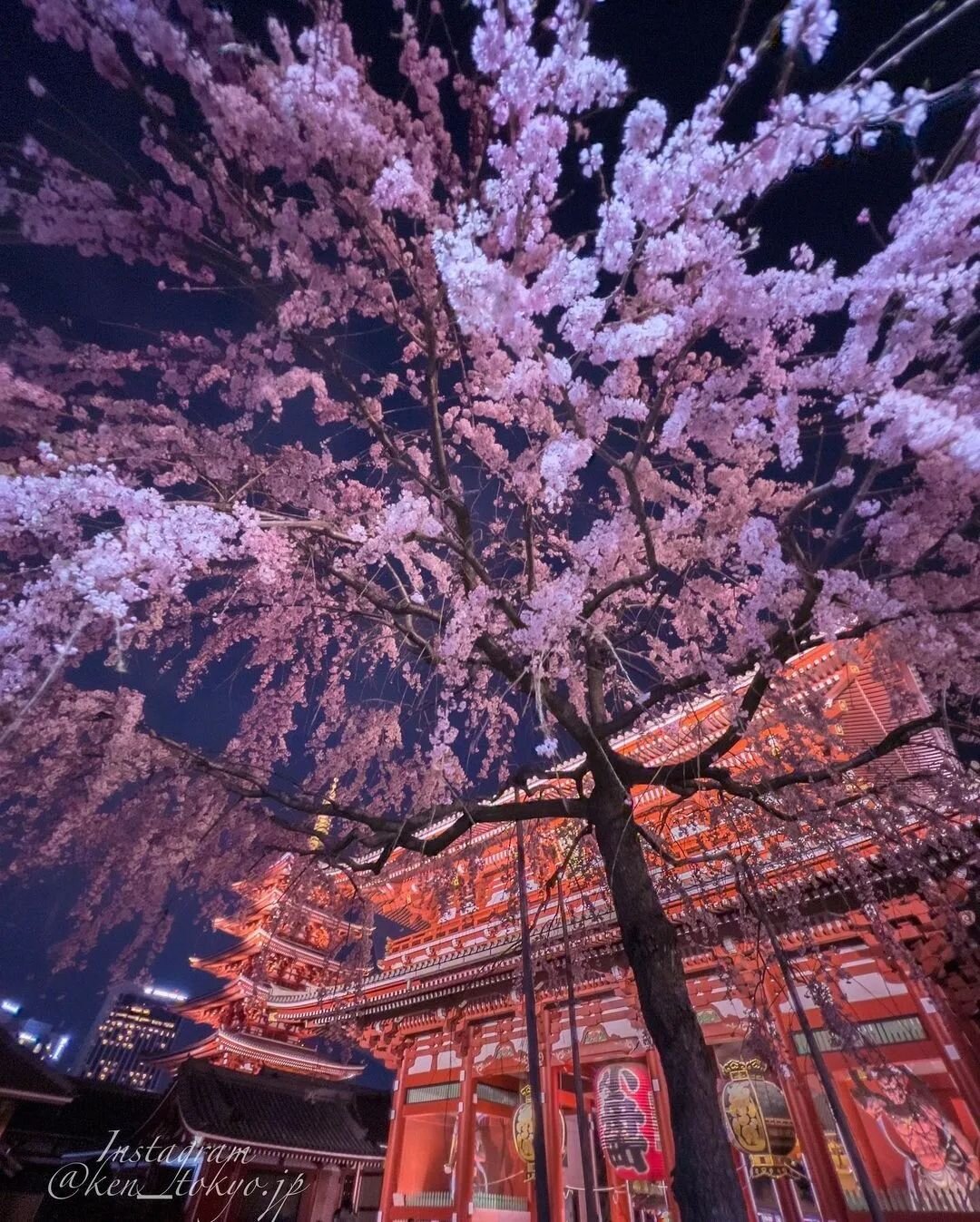
  • Sensō-ji

These locations help you understand Japan’s cultural and historical journey.

3. Join Local Events and Exhibitions

Many cities hold small exhibitions, cultural events, or special displays related to the Showa period. While these events are usually low-key, they offer a more meaningful and local experience.

4. Take a Guided Tour

If you want a deeper understanding of Japan’s history and culture, joining a guided tour can make a big difference. Local guides can share stories about how the Showa era shaped modern Japan—something you might miss on your own.

This is especially helpful if you’re exploring areas like Asakusa, Ginza, or Tokyo Station during your trip.

5. Travel Smart During Golden Week

Since Showa Day marks the start of Golden Week, expect:

  • Crowded trains and tourist spots

  • Higher hotel prices

  • Busy attractions

To make your trip smoother:

  • Book tours and tickets in advance

  • Start your day early

  • Consider private tours for a more relaxed experience
Why Visit Japan During Showa Day?

Even with the crowds, traveling during Showa Day offers a unique glimpse into Japanese culture. It’s a time when locals slow down, reflect, and enjoy the season.

You’ll experience:

  • Spring scenery at its best

  • A festive yet meaningful atmosphere

  • A deeper understanding of Japan’s past and present


Showa Day is more than just a public holiday—it’s a moment to reflect on history while enjoying the beauty of Japan in spring. Whether you’re strolling through parks, visiting historical landmarks, or joining a guided tour of Japan, it’s a meaningful way to start your Golden Week adventure.

If you’re planning your April 2026 Japan tour, make sure to include Showa Day in your itinerary—it’s a simple but enriching cultural experience you won’t want to miss.


Book a Private Customised Tour of Tokyo with us!

Connect with us!

Get to Know the 3D Cat Billboard in Shinjuku | Tokyo Guide April 2026

One of Tokyo’s most fun and eye-catching modern attractions is the famous 3D Cat Billboard in Shinjuku. Sitting just outside the east exit of Shinjuku Station, this giant digital screen features a lifelike calico cat that appears to jump out of the billboard—surprising and delighting passersby throughout the day.

What makes it special is the use of advanced 3D illusion technology. From the right angle, the cat looks incredibly real—stretching, sleeping, and even “meowing” as if it’s interacting with the busy streets below. It’s a short but memorable experience that perfectly shows Tokyo’s mix of creativity and technology.

The billboard is located in a lively area filled with shops, restaurants, and entertainment spots. It’s also right by Kabukicho, making it easy to include in your itinerary while exploring Shinjuku. Whether you’re visiting during the day or at night when the lights are brighter, it’s a great quick stop for photos and videos.

If you’re planning your trip this April 2026, make sure to add this unique spot to your list of things to do in Tokyo. And if you want to explore more like this—from modern attractions to hidden local gems—join one of our Tokyo guided tours and experience the city with a local expert.

Photo Credit: Pinterest (A Shinjuku night scene features Tokyo’s 3D cat billboard, where a lifelike calico cat appears above neon-lit streets, blending technology with vibrant city life.)

Join our Private Customised Tours!

Connect with us!

Discover Tamagoyaki | April Tokyo Guide 2026

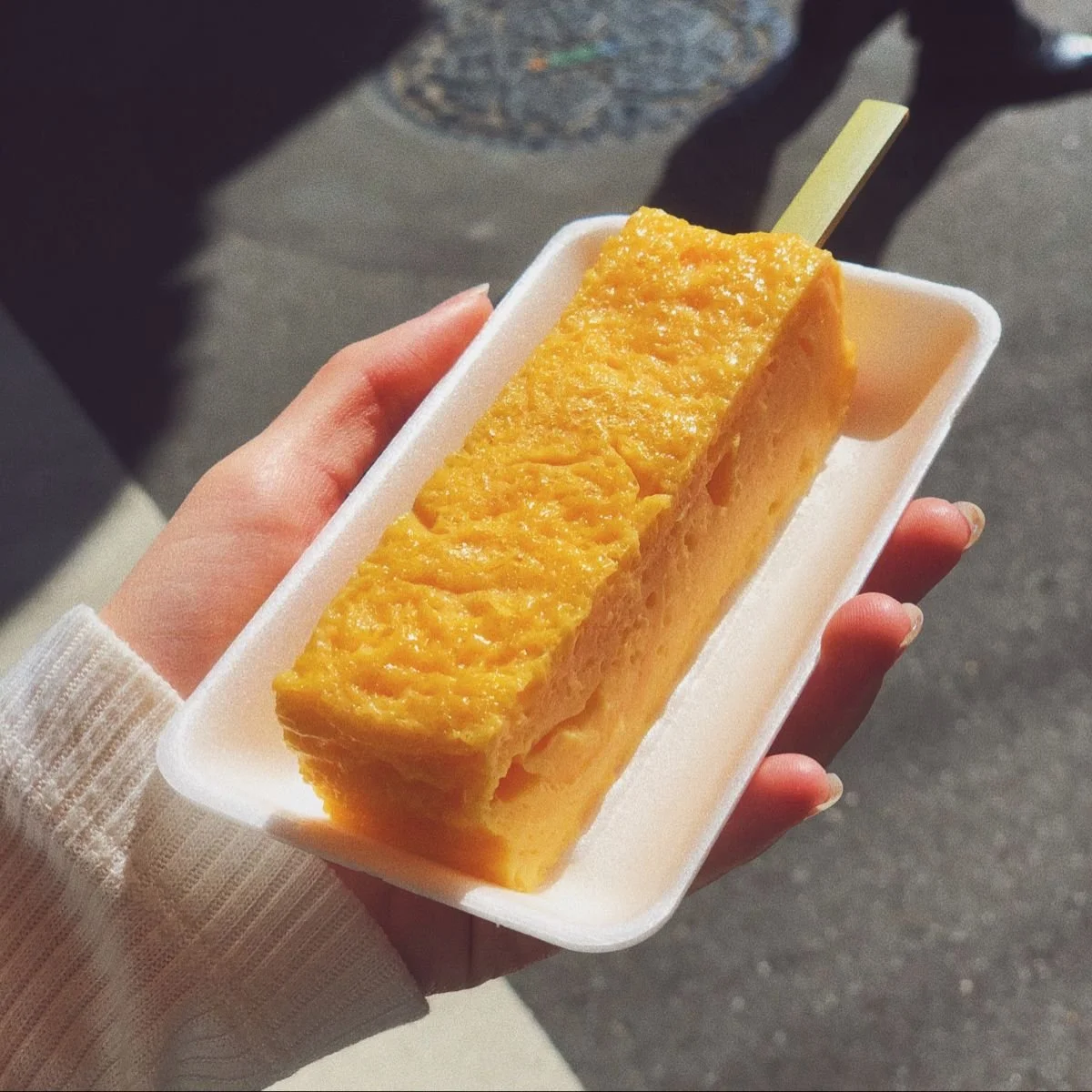
Photo Credit: Pinterest (Tamagoyaki on stick from Tsukiji Fish Market)

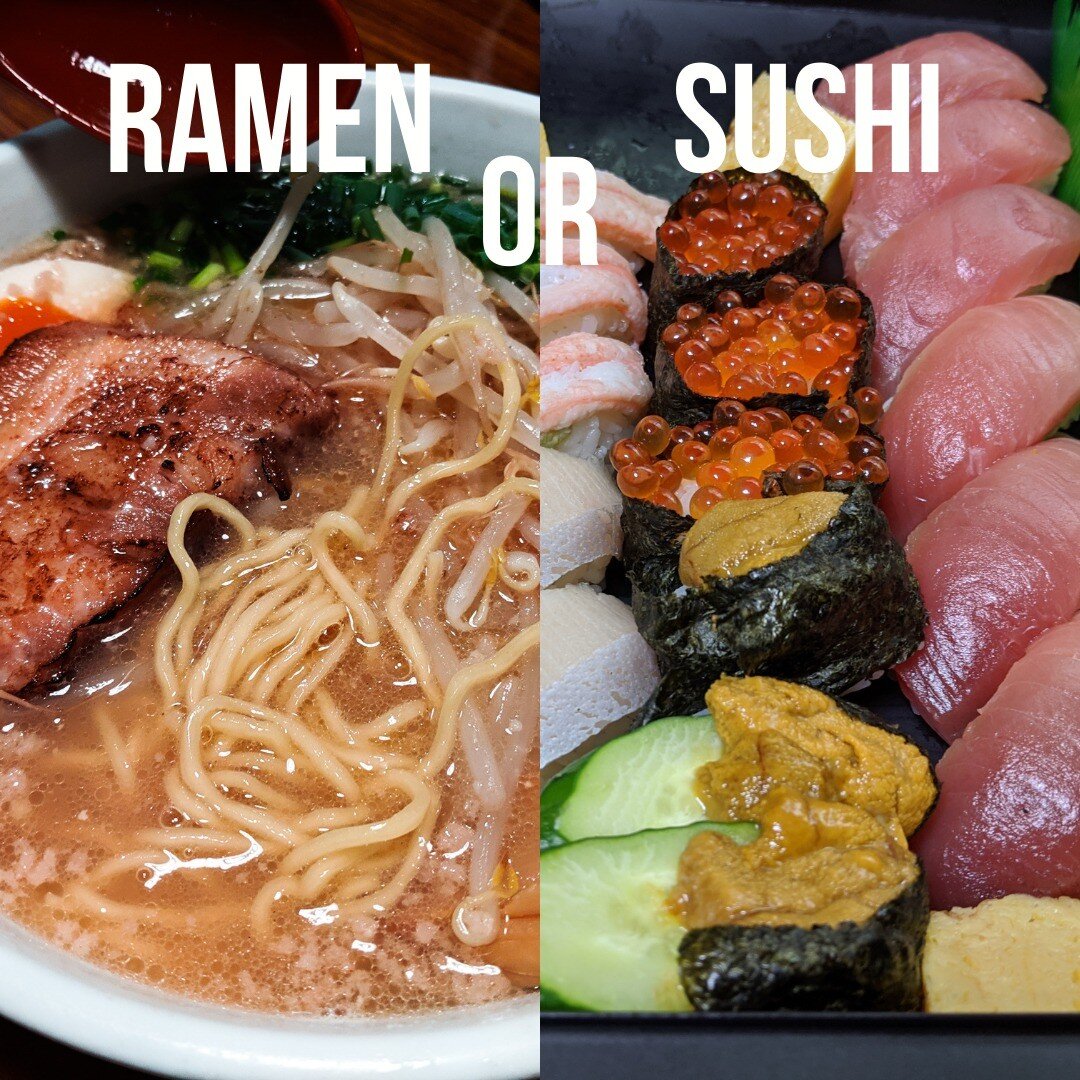
If you’re visiting Tokyo in 2026, trying tamagoyaki—a soft, slightly sweet Japanese rolled omelet—is a must and a perfect addition to your Tokyo Guide and list of things to do. Carefully made by layering and rolling seasoned eggs into a fluffy block, tamagoyaki may look simple but reflects true Japanese craftsmanship. One of the best places to enjoy it fresh is at Tsukiji Outer Market, where you can taste it warm while exploring the lively streets. You can also pair this experience with nearby highlights like Asakusa for a touch of tradition or visit Shibuya Crossing for a modern city experience. Whether enjoyed as a quick street snack or as part of a guided food tour, tamagoyaki is a simple yet unforgettable way to explore Tokyo’s rich food culture.


Include a stop at Tsukiji Outer Market to try freshly made tamagoyaki on your Private Customised Tour with us!

Connect with us!
What is Golden Week in Japan? | April 2026 Japan Tour

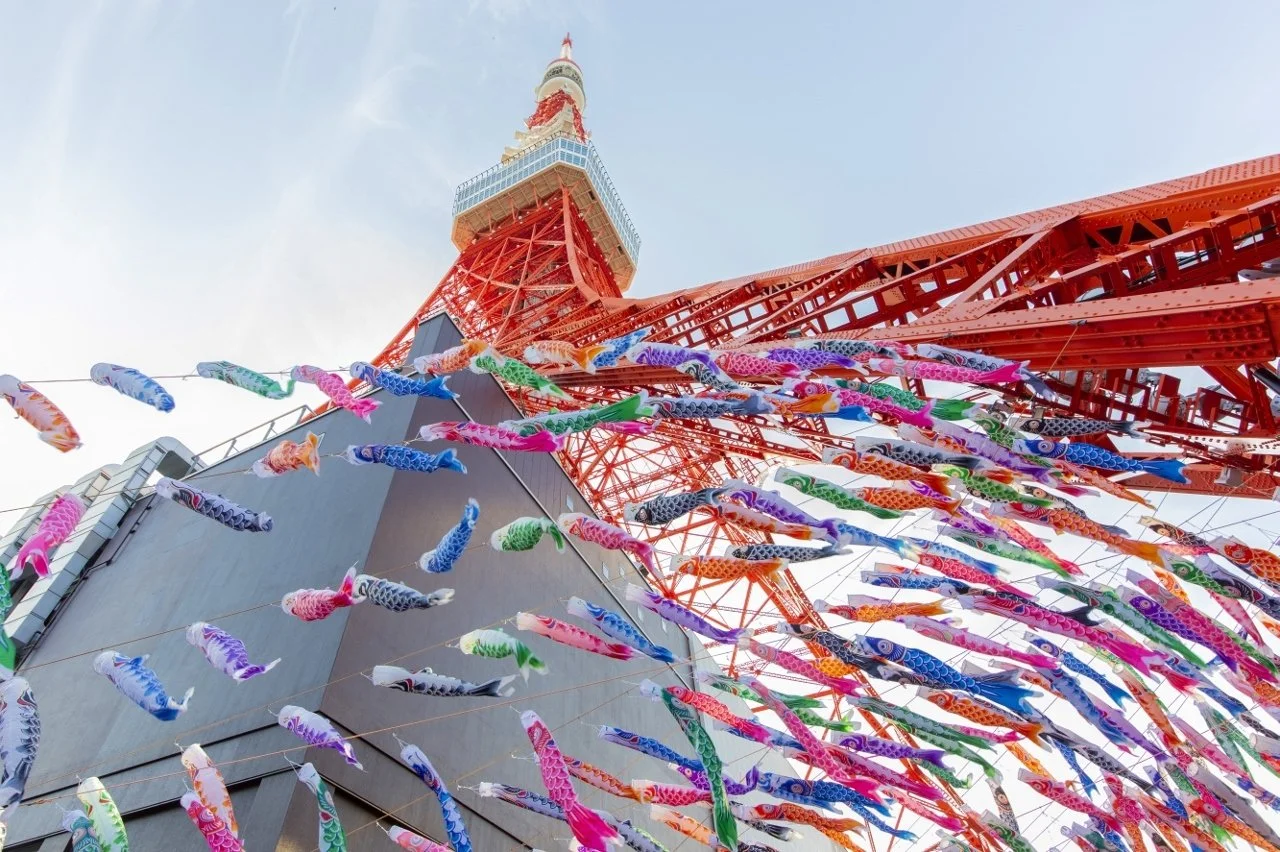
Photo Credit: TimeOut (Colorful koinobori streamers dance in the spring sky beneath Tokyo Tower, creating a vibrant scene that celebrates Children’s Day in Tokyo.”

Golden Week is one of the most important and busiest holiday seasons in Japan, making it both an exciting and challenging time to visit. If you are planning an April 2026 Japan tour, understanding Golden Week will help you prepare for crowds, and a lively atmosphere across the country.


What is Golden Week?

Golden Week is a collection of four national holidays that fall within a short period:

  • Showa Day (April 29)

  • Constitution Memorial Day (May 3)

  • Greenery Day (May 4)

  • Children’s Day (May 5)

When combined with weekends, these holidays create an extended break. In 2026, Golden Week is expected to run from April 29 to May 6. During this time, many locals take time off work, travel domestically, and spend time with family, which leads to a surge in tourism activity nationwide.

Photo Credit: TripSavvy

What Happens During Golden Week?

For travelers, this means that major cities like Tokyo, Osaka, and Kyoto become especially crowded. Popular attractions, train stations, and shopping districts are often packed, and transportation such as the Shinkansen can be fully booked days in advance.

Photo Credit: Nipino.com

Why Visit During Golden Week?

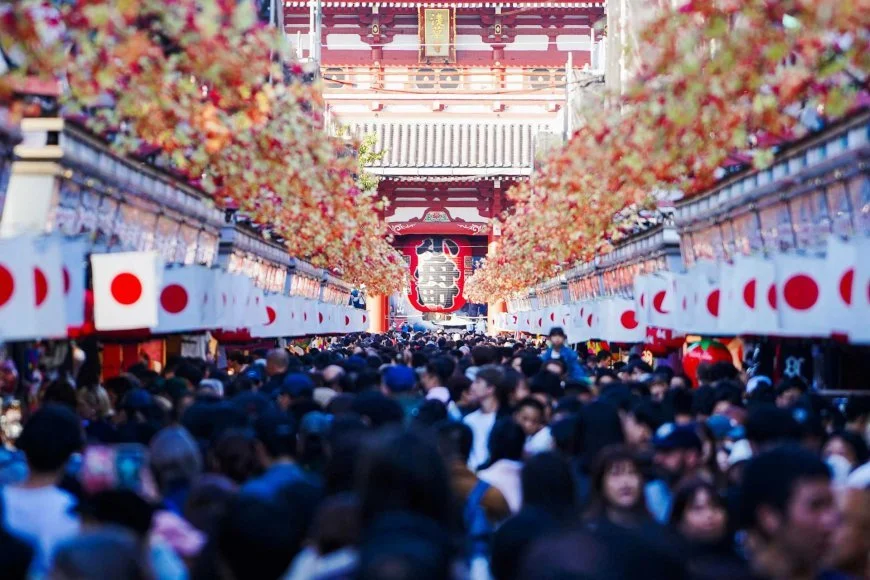
Despite the crowds, Golden Week offers a unique and festive experience. Visitors can enjoy seasonal events, cultural activities, and the vibrant energy of spring in Japan. In Tokyo, areas like Asakusa and Shibuya Crossing are full of life, while parks such as Ueno Park and Shinjuku Gyoen provide a more relaxed setting to enjoy spring scenery and local festivities. It’s also a great time to explore Japan’s food culture, from street food and traditional markets to guided food tours.

Photo Credit: Tokyo Cheapo

Overall, Golden Week in Japan is a lively and memorable time to visit. While it requires careful planning due to the crowds, it also gives travelers a chance to experience Japan at one of its most energetic and festive periods. For those planning an April 2026 Japan tour, joining a guided experience by tours by locals Japan can make your trip smoother and more meaningful, allowing you to explore destinations such as Tokyo with the help of a knowledgeable local guide. With the right preparation, Golden Week can be an unforgettable part of your journey!


Connect with us!

Tsukiji Hongan-Ji Temple | April 2026 Tokyo Tours

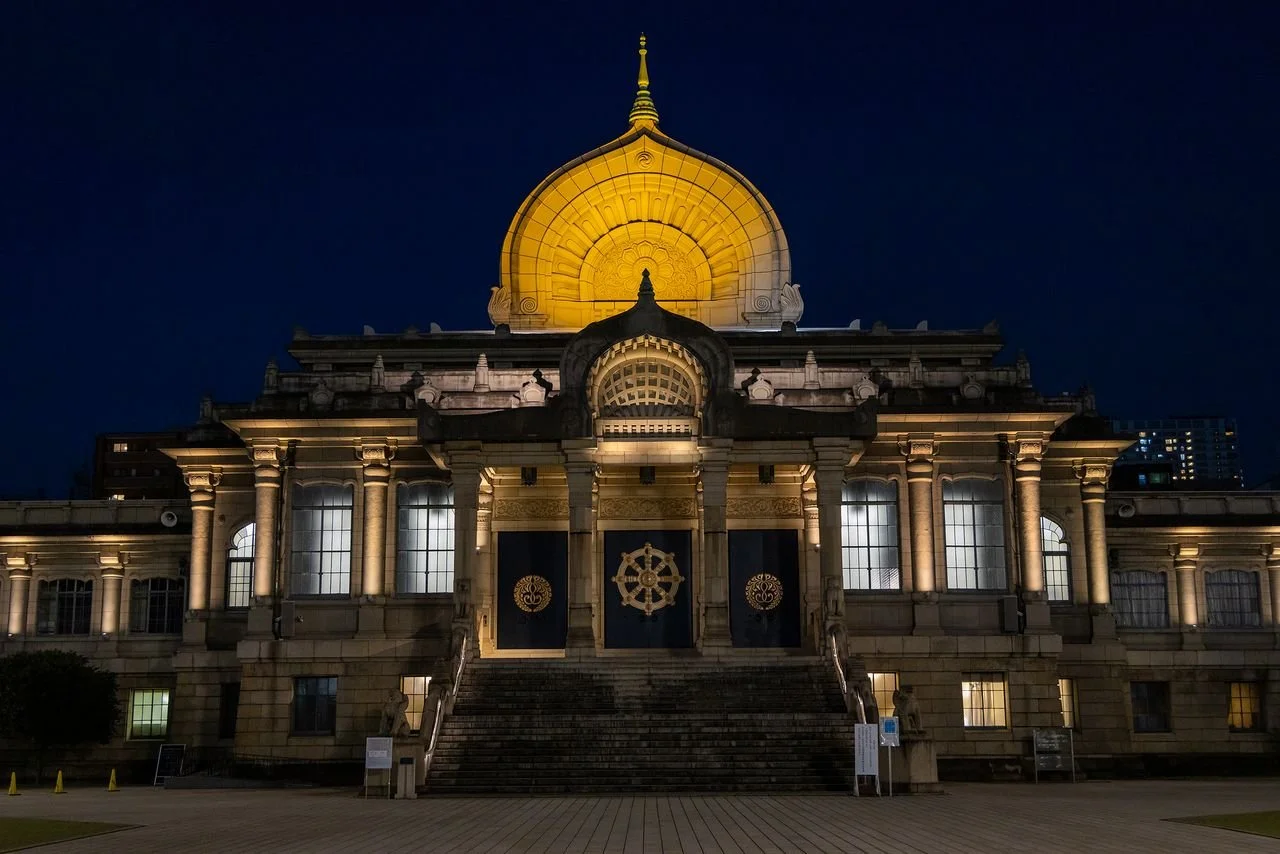
Photo Credit: nippon.com (Tsukiji Hongan-ji Temple at night)

Located near the bustling Tsukiji Outer Market, Tsukiji Hongan-ji Temple offers a peaceful escape with its unique architecture that blends Indian, Buddhist, and Western influences, designed by Chuta Ito; originally built in Asakusa and later relocated after a fire, this 1934 temple belongs to the Jodo Shinshu Honganji-ha and stands today as a cultural and spiritual landmark in Tokyo, where visitors can admire its intricate stone carvings, step inside a serene main hall featuring a rare pipe organ, experience morning chanting, or relax at its modern café, making it an easy and enriching stop during your April 2026 Tokyo tours or when joining guided tours of Japan, especially when paired with nearby attractions like Ginza and Hamarikyu Gardens—perfect for travelers looking to explore a quieter yet deeply meaningful side of Tokyo beyond its fast-paced city life.

Book a tour with us!

Connect with us!
Discovering Vernal Equinox Day | March 2026 Japan Guide

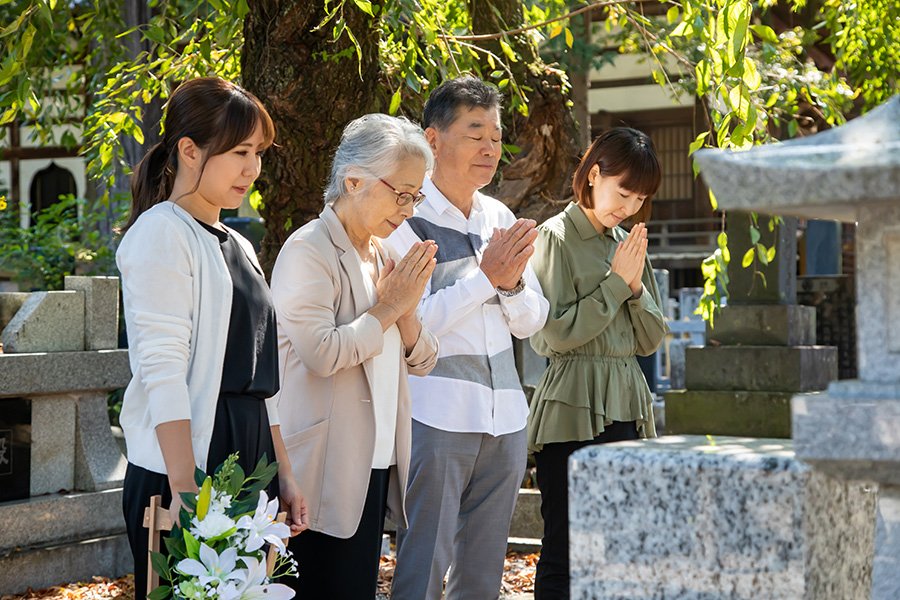
Photo Credit: Web-Japan.org (family offering prayers to their loved ones on the cemetery)

If you’re planning a spring trip to Japan, one cultural event you shouldn’t overlook is Vernal Equinox Day (春分の日 / Shunbun no Hi). Celebrated every March, this national holiday beautifully reflects Japan’s deep connection with nature, seasons, and ancestral traditions.

In this 2026 Japan guide, we’ll walk you through what it means, how locals celebrate, and the best ways to experience it during your Tokyo tour.


What is Vernal Equinox Day?

Vernal Equinox Day marks the moment when day and night are nearly equal in length, signaling the official arrival of spring. In Japan, it’s not just a seasonal milestone—it’s a day for reflection, gratitude, and honoring ancestors.

In 2026, Vernal Equinox Day falls on March 20 (Friday), making it a perfect opportunity for both locals and travelers to enjoy a long weekend.


Cultural Significance in Japan

The holiday has roots in both Shinto and Buddhism traditions. While it originally began as an imperial ritual, today it is widely observed as a time to:

  • Visit family graves

  • Offer prayers and flowers

  • Reflect on life and nature

  • Spend time with loved ones

It is also part of a broader Buddhist observance called Ohigan, a week-long period centered around the equinox.


How Locals Celebrate

During this time, many Japanese families return to their hometowns to pay respects to their ancestors. You may notice:

  • Cemeteries being cleaned and decorated with fresh flowers

  • Incense offerings and quiet prayers

  • Families gathering for simple meals

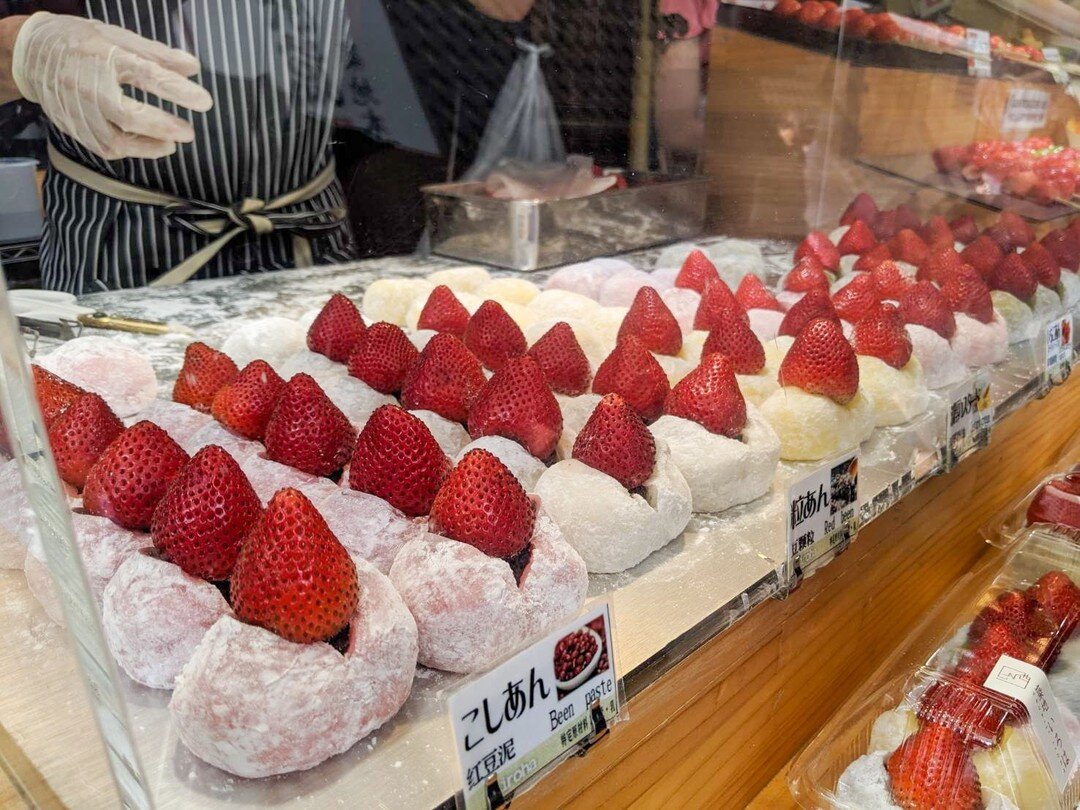
A traditional food associated with this season is Botamochi—sweet rice balls coated with red bean paste, symbolizing the arrival of spring.


What Travelers Can Experience

Even as a visitor, you can respectfully experience the beauty of this holiday:

1. Enjoy Early Cherry Blossoms

Depending on the weather, Cherry Blossoms (sakura) may begin to bloom around this time, especially in warmer areas of Tokyo.

Top viewing spots:

  • Ueno Park

  • Shinjuku Gyoen

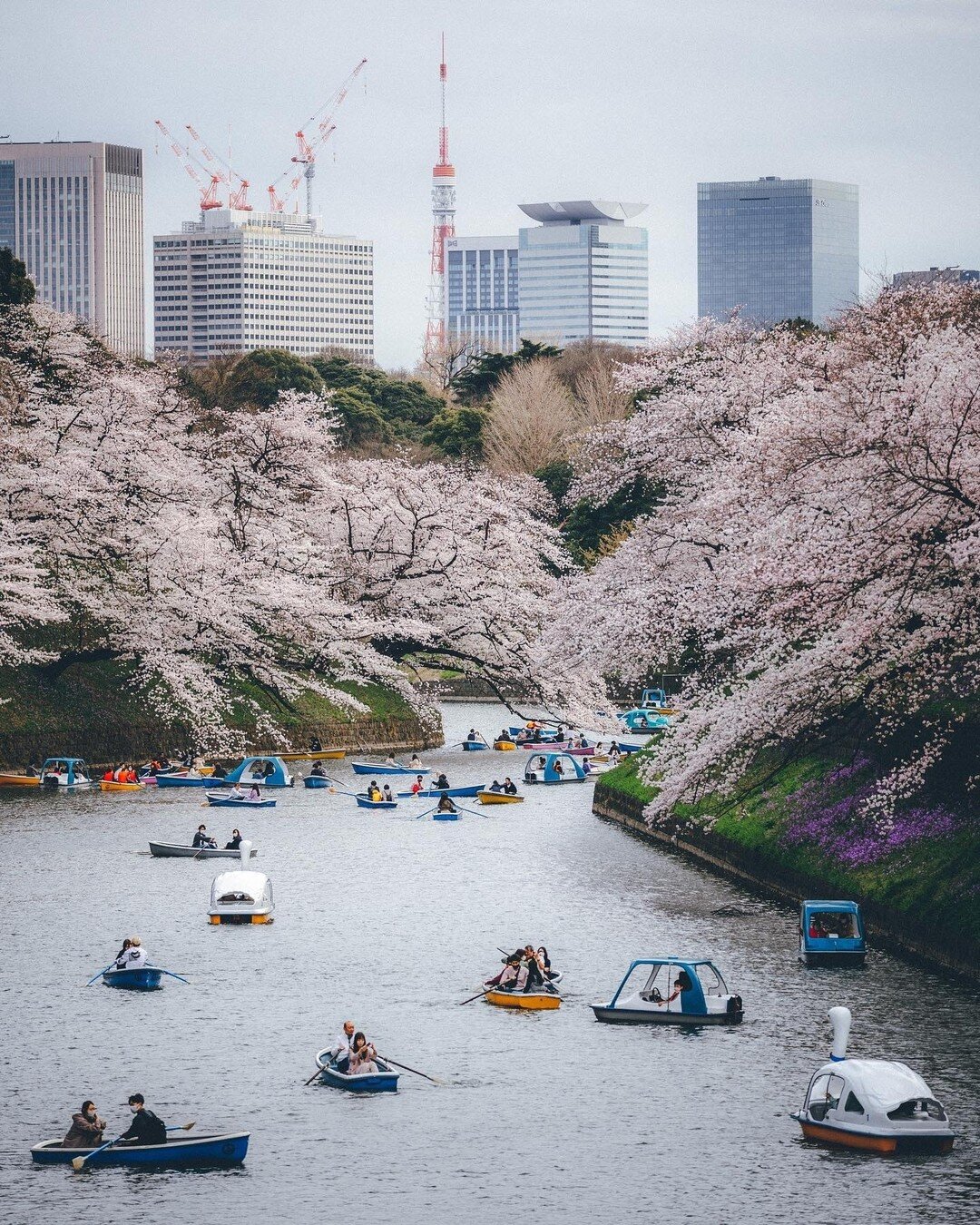
  • Chidorigafuchi

2. Visit Peaceful Shrines & Temples

Many locals visit spiritual sites during this period, making it a meaningful time to explore places like:

  • Meiji Shrine

  • Senso-ji Temple

You’ll notice a calm, reflective atmosphere—perfect for a deeper cultural experience.

3. Try Seasonal Japanese Sweets

Spring treats begin appearing in shops and markets. Don’t miss:

  • Botamochi (spring version of ohagi)

  • Sakura-flavored desserts

  • Limited-edition seasonal snacks


Whether you’re strolling under early cherry blossoms or quietly observing traditions at a shrine, Vernal Equinox Day in Japan offers a unique and meaningful travel experience.

If you're planning your Tokyo tour in March 2026, this holiday is the perfect way to connect with the heart of Japanese culture—where nature, family, and spirituality come together.


Connect with us!

The History of Sakura in Japan | March 2026 Tokyo Guide

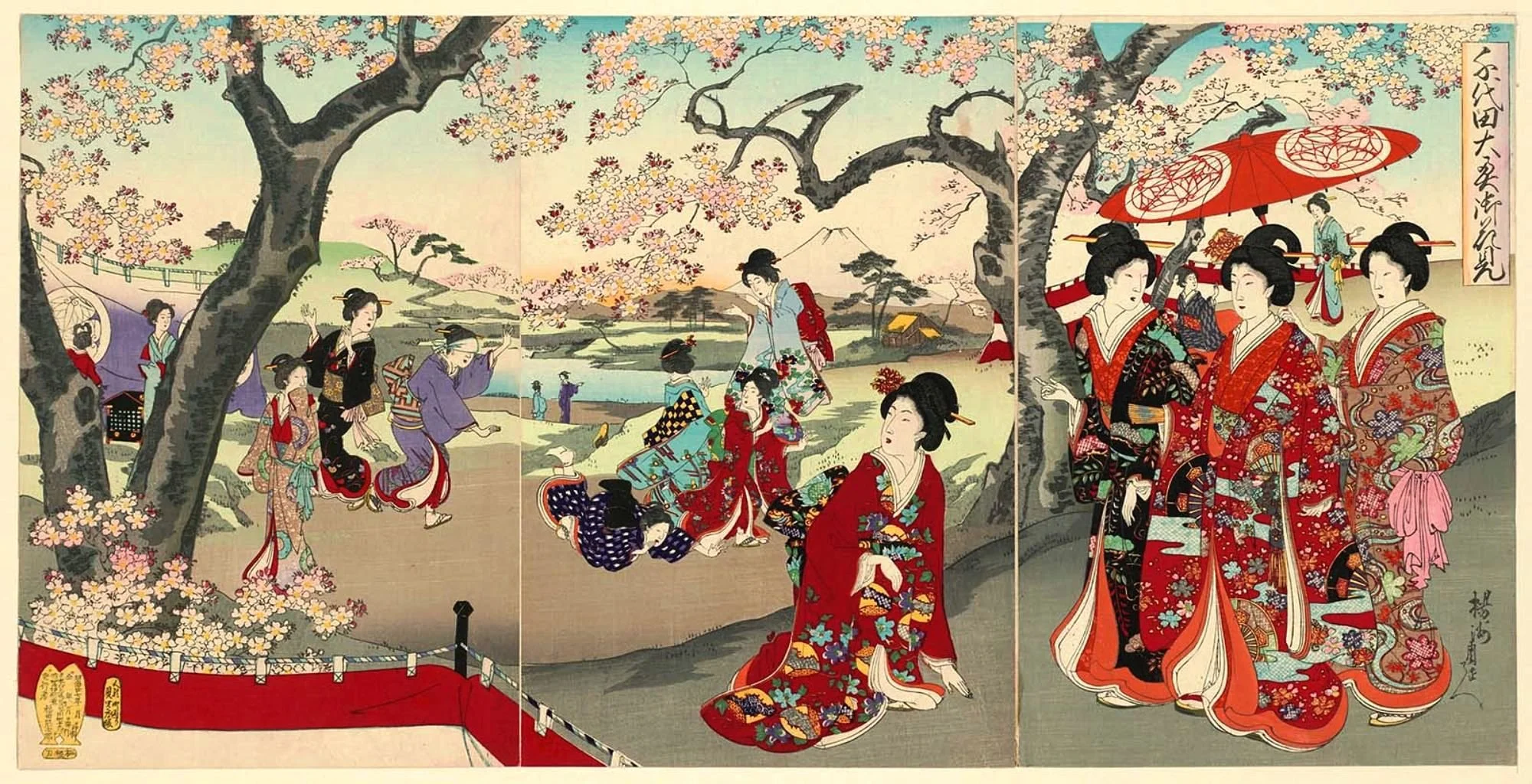
Photo Credit: Savvy Tokyo (Cberry Blossom Viewing in old age)

Every spring, Japan is covered in soft pink and white petals as sakura (cherry blossoms) bloom across the country. These beautiful flowers are not just a seasonal attraction—they hold deep historical and cultural meaning in Japan and have been celebrated for over a thousand years. For many visitors exploring the country with a Tokyo guide, understanding the story behind sakura makes the experience of seeing the blossoms even more meaningful.


Early Origins of Sakura Appreciation

The tradition of flower viewing began during the Nara Period (710–794) when Japanese nobles admired plum blossoms (ume), influenced by Chinese culture. By the Heian Period (794–1185), cherry blossoms became the symbol of spring. The imperial court held gatherings under the trees to enjoy food, drink sake, and write poetry. One early recorded hanami event was hosted by Emperor Saga in 812 in Kyoto.


The Spread of Hanami

Hanami, meaning “flower viewing,” first began among aristocrats before spreading to the samurai class and eventually the general public. During the Edo Period (1603–1868), the shogunate—especially Tokugawa Yoshimune—planted many cherry trees in public spaces, making hanami a popular nationwide tradition.


The Meaning of Sakura

Cherry blossoms are deeply symbolic in Japanese culture. Because sakura bloom beautifully but last only about one to two weeks, they represent the transience of life. This idea connects to the Japanese aesthetic philosophy of mono no aware, which reflects an appreciation for the beauty and sadness of things that are temporary.

Sakura therefore symbolize:

  • The fleeting nature of life

  • Renewal and fresh beginnings

  • The importance of appreciating the present moment


Sakura in Modern Japan

Today, cherry blossom season is one of the most anticipated times of the year in Japan. Weather agencies release sakura forecasts, predicting when the blossoms will bloom across different regions so people can plan their hanami gatherings.

Visitors and locals celebrate by:

  • Having picnics under blooming cherry trees

  • Visiting famous sakura viewing spots

  • Attending spring festivals

  • Enjoying nighttime illuminations called yozakura

From ancient imperial poetry gatherings to modern park picnics, sakura continue to connect Japan’s past with the present.


Experiencing Sakura in Japan

Seeing cherry blossoms in Japan is a truly unforgettable experience. In Tokyo, some of the best Tokyo things to do during spring include strolling through historic gardens, relaxing in city parks, and walking along rivers lined with beautiful sakura trees.

Exploring these spots with a Tokyo guide can make the experience even more meaningful, as you learn the history and traditions behind hanami. For many travelers, witnessing sakura is not just about the scenery—it’s about experiencing a cultural tradition that has been cherished for centuries.


Experience Sakura with a Private Tour Guide!

Connect with us!

Discover Key Dates in March 2026 | Japan Tour

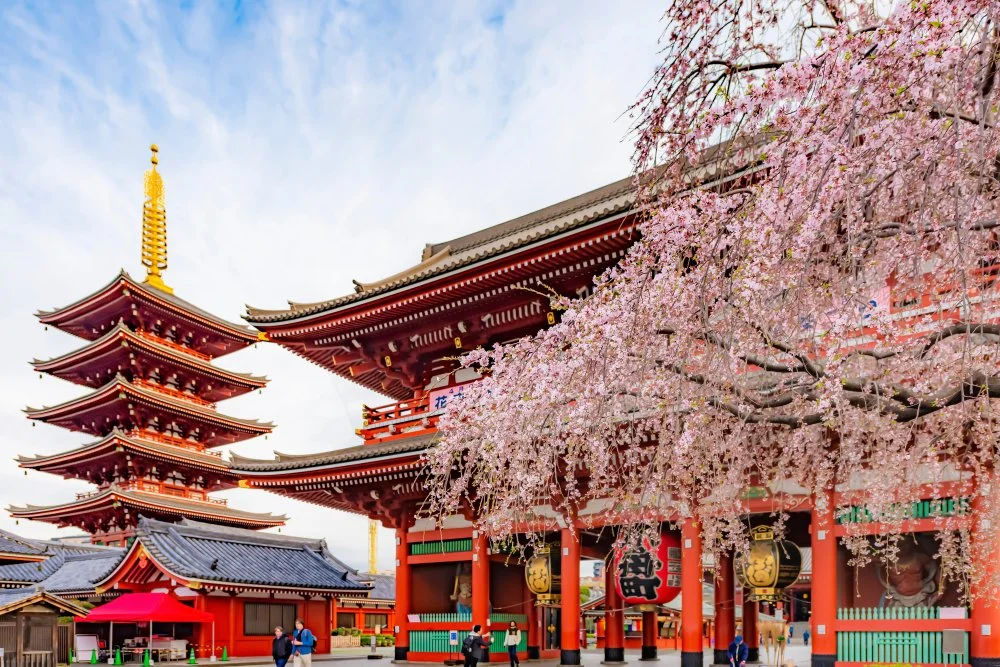
Photo Credit: Arigato Travel (Spring season in Sensoji Temple)

March is an exciting month in Japan, marking the transition from winter to spring. From romantic gestures to cultural observances and stunning natural beauty, here’s what to look out for if you’re planning your Japan tour in March 2026.


1. White Day – March 14, Saturday

While Valentine’s Day is celebrated in February in Japan, with women giving gifts to men, White Day on March 14 is when men return the favor. It’s a charming Japanese tradition where men give gifts such as chocolates, sweets, or flowers to the women in their lives. If you’re in Tokyo or other major cities, you’ll notice stores beautifully decorated and filled with gift sets. For travelers, it’s a unique opportunity to witness a fun cultural tradition that’s all about giving and appreciation.

Tips for visitors:

  • Watch for special White Day displays in department stores like Mitsukoshi (Tokyo).

  • Cafés and bakeries often create limited edition sweets for the occasion.

Photo Credit: BBC

2. Vernal Equinox Day (Shunbun no Hi) – March 20, Friday

March 20 marks Shunbun no Hi, a national holiday celebrating the spring equinox. It’s a day for reflection, family, and honoring ancestors by visiting family graves. Many Japanese people also use this time to enjoy the arrival of spring, making it a quieter yet meaningful holiday.

Tips for travelers:

  • Temples and shrines may hold special services. Visiting can give insight into Japanese customs around family and nature.

  • Since it’s a public holiday, expect some train stations and shops to be busier than usual.

Photo credit: The Japan Times

3. Cherry Blossom Season (Hanami) – Late March 2026

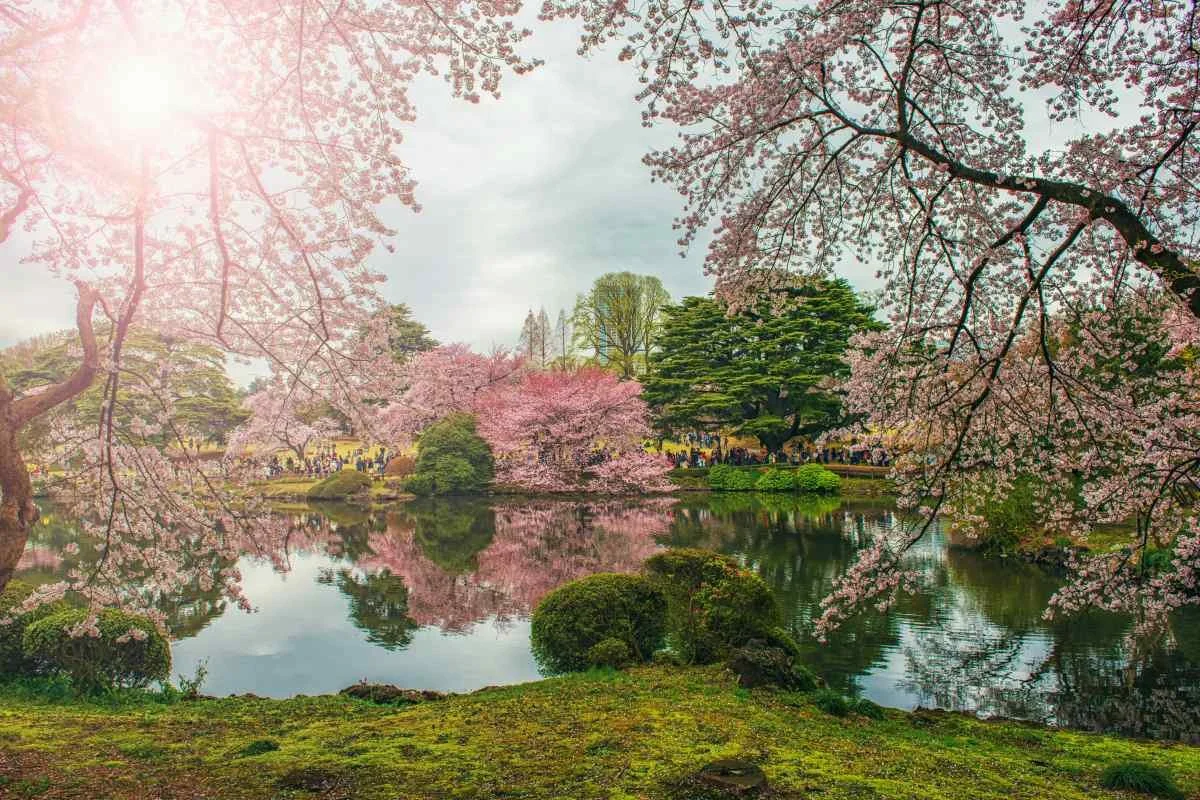
March is synonymous with cherry blossoms, or sakura, in Japan. In 2026, the peak bloom in Tokyo is expected around March 27, with the season beginning around March 20. This is the perfect time for hanami (flower viewing) picnics in parks, strolling under blooming trees, and capturing the iconic pink landscapes.

3 spots in Tokyo for hanami:

  • Ueno Park: A popular spot for locals and tourists, lined with hundreds of cherry trees.

  • Shinjuku Gyoen: A spacious garden offering a serene hanami experience.

  • Sumida Park: Ideal for riverside cherry blossom views and photography.

Tips for visitors:

  • Arrive early in the day or weekday mornings to avoid crowds.

  • Try seasonal treats like sakura mochi or cherry blossom flavored drinks sold around parks.


March 2026 in Japan is the perfect blend of culture, celebration, and natural beauty. Whether you’re enjoying White Day surprises, reflecting during the vernal equinox, or soaking in the breathtaking cherry blossoms, there are plenty of things to do in Tokyo this spring!


Experience Tokyo your way! Book our Private Customised Tours now and explore the city’s culture, seasonal events, and hidden gems with a local guide. Secure your spot today!

Connect with us!

Discovering Akagi Shrine | February 2026 Guided Tours of Japan

Photo Credit: Time Out

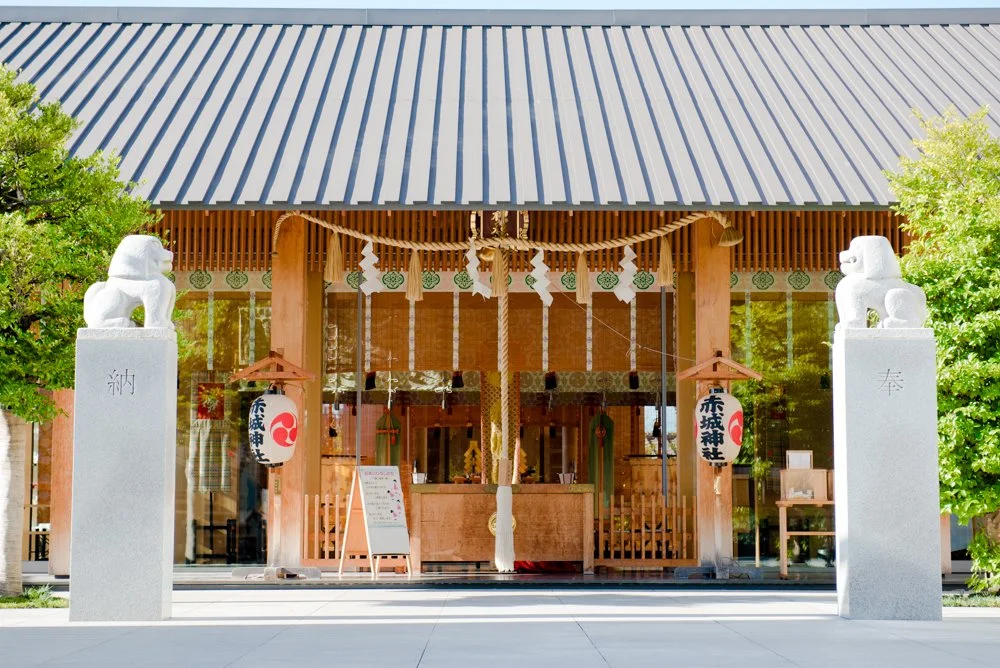
Tucked into the charming streets of Kagurazaka, Akagi Shrine is a peaceful blend of tradition and modern design. Originally founded in 1300 and beautifully redesigned by architect Kengo Kuma, the shrine stands out for its clean wooden lines and light-filled main hall — a contemporary space that still feels deeply sacred. Visiting as part of guided tours in Tokyo allows you to appreciate not only its architecture, but also the cultural stories and local traditions that make this shrine quietly special.

Dedicated to a deity associated with protection and relationships, the shrine remains an important spiritual place for locals. Unlike Tokyo’s larger, busier shrines, Akagi Shrine offers a quieter, more intimate atmosphere — perfect for a reflective pause.

Part of its charm lies in its surroundings. Kagurazaka’s narrow alleys and historic character, once linked to a thriving geisha district, add depth to the visit. When considering in writing your “Tokyo things to do”, exploring both the shrine and the neighborhood offers something uniquely intimate — from strolling hidden stone pathways and discovering traditional eateries to experiencing a side of the city where old and new exist in quiet harmony.

Address: 1-10 Akagi Motomachi, Shinjuku City, Tokyo 162-0817, Japan


Book one of our Private Customised Tours and enjoy a personalized journey — with a special stop at the beautiful Agaki Shrine included along the way!

Connect with us!

Understanding Emperor’s Birthday | February 2026 Japan tour

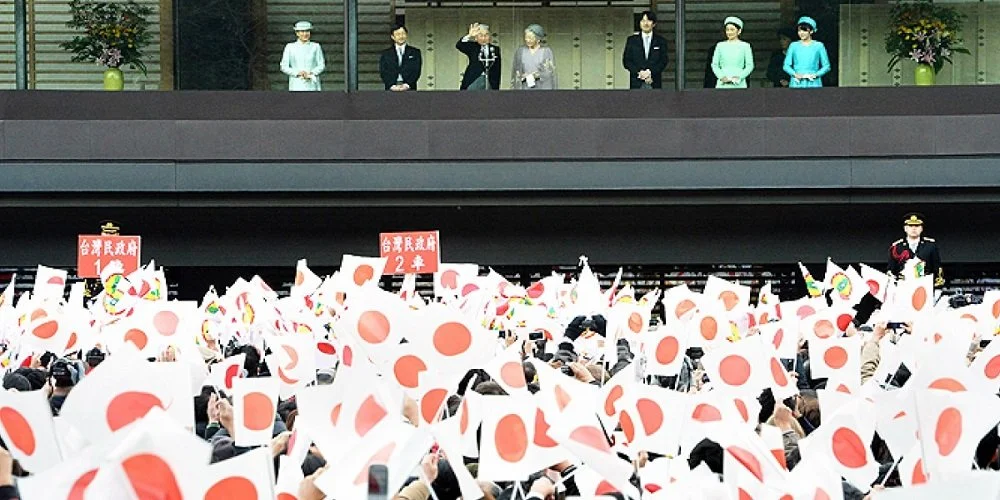
Photo Credit: Holidays Calendar (A sea of Japanese flags waves as the Imperial Family greets the public from the balcony of the Imperial Palace in Tokyo)

If you are planning a Japan tour in February 2026, one important public holiday to know is the Emperor’s Birthday. Celebrated every year on February 23, this national holiday honors the birthday of Emperor Naruhito, the current Emperor of Japan.

In 2026, February 23 falls on a Monday, making it a long weekend for many locals. For travelers, it is a unique opportunity to experience modern Japanese tradition and culture.


What Is the Emperor’s Birthday?

The Emperor’s Birthday is a national holiday that celebrates the birth of Japan’s reigning Emperor. Since Emperor Naruhito was born on February 23, the holiday is held on this date each year.

The Emperor serves as the symbol of the State and the unity of the Japanese people. While he does not hold political power, he plays an important ceremonial and cultural role in the country.

What Happens on This Day?

The main celebration takes place in Tokyo at the Imperial Palace.

On this day:

  • The inner palace grounds are opened to the public.

  • The Emperor and members of the Imperial Family appear on the balcony.

  • They greet the crowd and give a short speech.

  • Visitors wave small Japanese flags to show respect.

This is one of the few days each year when the public can enter the inner grounds of the Imperial Palace, making it a rare and memorable experience during your February 2026 Japan tour.

What to Expect as a Tourist

If you are visiting Japan during this holiday, here is what you should know:

1. Public Holiday Schedule

  • Government offices are closed.

  • Banks and some local businesses may close.

  • Shopping areas, restaurants, and tourist attractions usually remain open.

2. Transportation

Public transport operates on a holiday schedule. Trains may be slightly busier, especially around central Tokyo.

3. Atmosphere

The mood is respectful and calm. It is not a loud festival, but rather a meaningful national celebration.

Why Include This in Your List of Tokyo Things To Do?

Adding the Emperor’s Birthday to your allows you to:

  • Witness a special national event.

  • Learn about Japan’s modern monarchy.

  • Visit the Imperial Palace grounds.

  • Experience local culture beyond typical tourist attractions.

February is also winter in Japan, offering cool weather and fewer crowds compared to spring cherry blossom season. It is a great time for sightseeing in Tokyo and other major cities.


Understanding the Emperor’s Birthday helps you see another side of Japan — one rooted in respect, tradition, and national identity. If your travel dates fall on February 23, 2026, consider making this meaningful public holiday part of your Japan tour experience.


Connect with us!