

SEAFOOD | TSUKIJI FISH MARKET

Chuo-ku, Tokyo

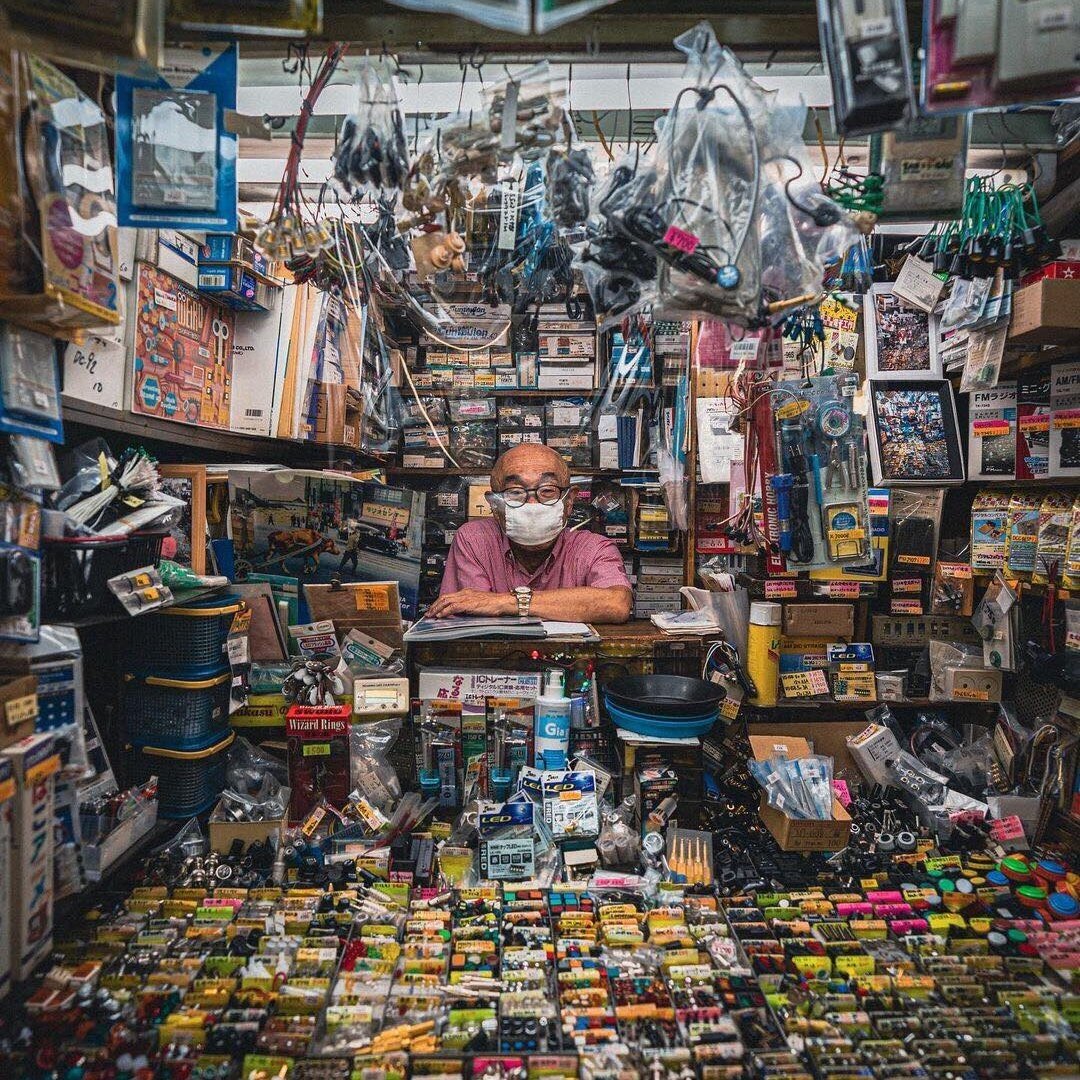
The Tsukiji Fish Market consists of a few blocks with narrow alleys lined up with wholesale and retail shops a long with restaurants and food stands. Within these shops, you can find fresh seafood, produce, delicious seafood and even kitchen items like knives. A visit to the Tsukiji Fish Market can include a sushi breakfast or lunch as the restaurants and shops are typically opened at 5am and opened until a little past noon. Most of the seafood sold here comes directly from the Toyosu Fish Market, making it one of the best places to enjoy fresh seafood in Tokyo.

The Tsukiji Fish Market opened up in 1935 when it replaced a different fish market in Nihonbashi that was destroyed in the Great Kanto earthquake in 1923. This market was the largest wholesale fish and seafood market in the world until it moved in 2018 to the Toyosu Fish Market which is where the current fish market is located. Although it relocated, most of the shops and stores remain in Tsukiji, making it a unique place to visit for seafood.

While you’re in the area, be sure to check out the following:

  • Lots of food stalls selling fresh seafood such as fried octopus, skewered fish and fried clams

  • The nearby Namiyoke Shrine that looks after the area

  • Many shops selling goods such as knives and kitchen tools

  • Counter style sushi restaurants

Photo Credit: Japan Guide

Photo Credit: Japan Guide

How to get there

A 1 minute walk from the Tsukiji Station on the Tokyo Metro Hibiya Line or a 1 minute walk from the Tsukijishijo Station on the Tokyo Metro Toei Oedo Line.
 
DRINKING | GOLDEN GAI

Shinjuku-ku, Tokyo

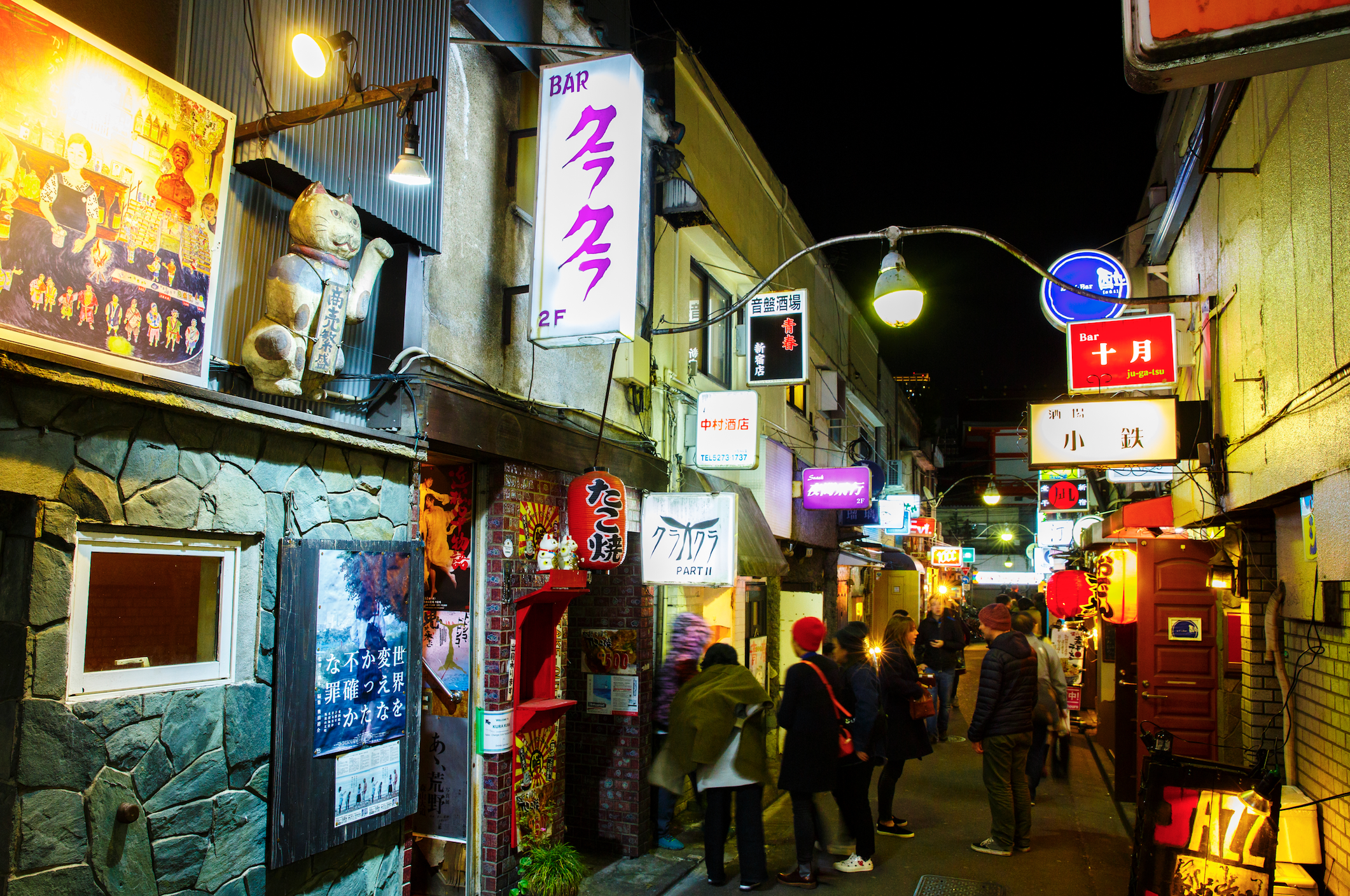
A small area near Kabukicho, Shinjuku Golden Gai is known for its spirited night life and unique architecture. While the surrounding areas of modern Tokyo are filled with skyscrapers and neon lights, Golden Gai cuts out a small corner of Tokyo to retain it’s post war charm. It’s a bit similar to Omoide Yokocho, except less yakitori and more bars and drinking.

Golden Gai consists of six alley ways made up with small individual bars. Each building can have a couple bars within them itself. Wandering around the area is an experience in itself and choosing a bar shouldn’t be too hard..there’s over 200 bars! Most of the bars in the area open up at 8 or 9 pm so make sure you don’t head over too early or there’ll be nothing opened. Some bars only welcome regulars as some tourists only have one drink, loiter and leave, taking spaces from regular customers. So, choose welcoming bars (some will have signs).

Know before you go:

  • There are often cover charges when entering bars

  • Watch out for bars not welcoming foreigners

  • Area opens up at around 8pm

Photo Credit: Japan Guide

Photo Credit: Timeout Tokyo

How to get there

It’s about an 8 minute walk from Shinjuku Station and right next to the Kabukicho district.

 
IZAKAYAS | GADO SHITA

Chiyoda-ku, Tokyo

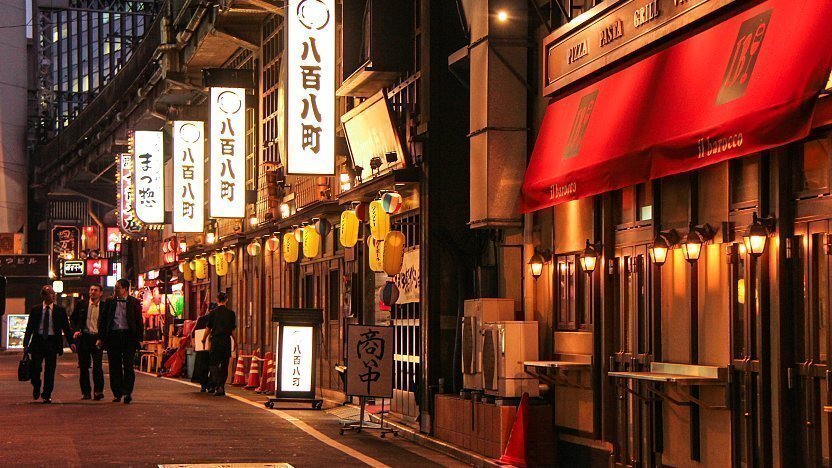
One of the most interesting places to eat in the heart of Tokyo is right next to the Yurakucho Station on the JR Line. Under the train tracks lie brick arches where storage space and warehouses use to lie. Those storage spaces were converted into restaurants in the mid to late Showa period (1950s-1980s). It’s one of the most lively restaurant districts, particularly at night when all the izakayas and restaurants open up.

These restaurants under the railroads are known as Gado Shita in Japanese. It literally means “below the girder” and has been a favorite for Japanese businessmen to come to loosen up after a long days of work. Many restaurants occupy most of the 700 meters of free space running on both sides of the train tracks from Yurakucho to Tokyo Station.

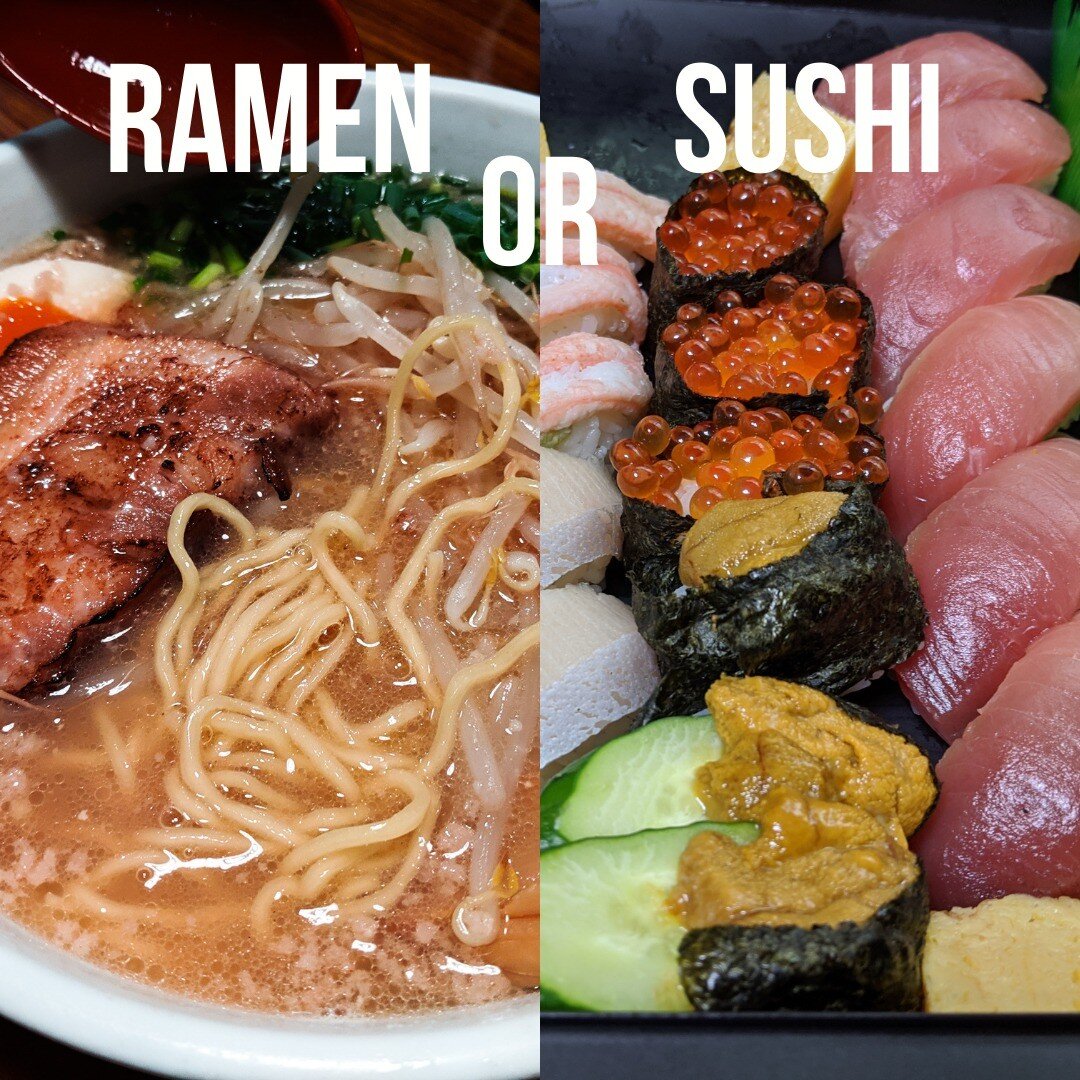
While izakayas and yakitori eateries are famous in the area, there are many other places to eat such as European bars (French, Italian, German), sushi restaurants and several noodle joints.

While you’re in the area, be sure to check out the following:

  • East side of the railroad tracks for all the different izakayas

  • European style bars

  • Tokyo International Forum building for unique architecture

Photo Credit: Shinjuku Guide

Photo Credit: Japan Guide

How to get there

Area surrounding the Yurakucho Station. Yurakucho Station is on the JR Yamanote and Keihin-Tohoku Lines. it’s one station away from Tokyo Station.

 
IZAKAYAS | PISS ALLEY (OMOIDE YOKOCHO)

Shinjuku-ku, Tokyo

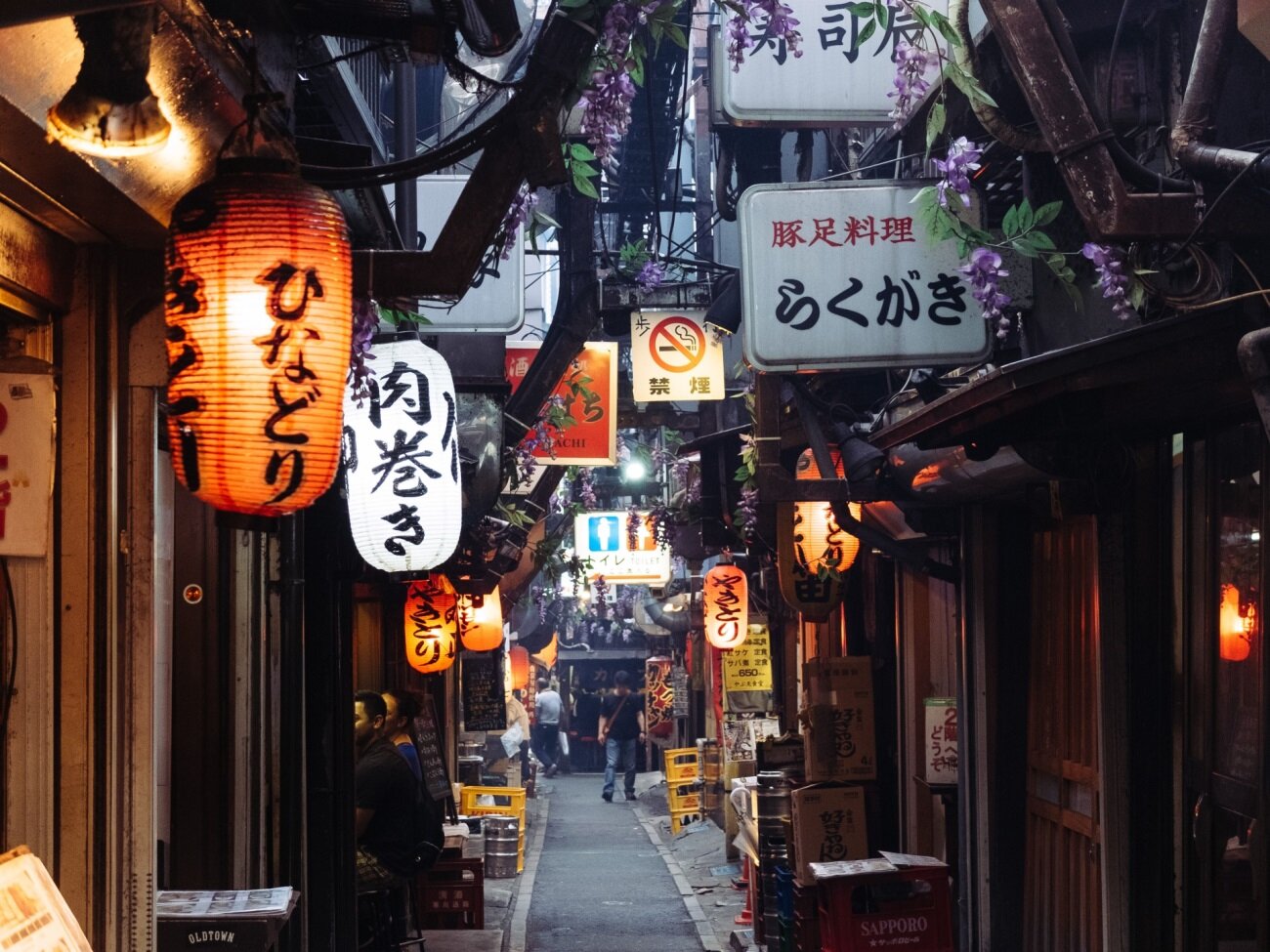
Omoide Yokocho literally means Memory Lane. This unique area is famous for it’s old fashioned back alleys packed with very tiny noodle joints, yakitori restaurants known as izakayas where you can enjoy yakitori and Japanese alcohol and other diners. Within this tiny area you’ll find tourists, businessmen and women crowding the bars, restaurants and izakayas before they head home for the night.

Omoide Yokocho has been around since the reconstruction period in post war Japan and has maintained it’s position since. So, quite fittingly, Omoide Yokocho or Memory Lane is a good way to remember the old nostalgic past. Now, you might be wondering where Piss Alley came from. This place was notorious for having no restrooms because of how small the restaurants. Lots drinking going on with no restroom? A perfect recipe for “Piss Alley”. No worries now as they have bathrooms installed in the place to make sure no one is peeing next to the eateries…although it loses its authenticity!

While you’re in the area, be sure to check out the following:

  • The many izakayas to eat yakitori and drink at. There are 16 in total

  • Cheap ramen, soba and udon noodles

  • Eating nikomi - another popular stew that consists of innards.

Photo Credit: Shinjuku Guide

Photo Credit: Shinjuku Guide

How to get there

From the East Exit of Shinjuku Station on the JR Lines, it’s about a 2 minute walk. Take a left out the exit and continue to the passage that goes under the railroad to your left.

 
SWEETS HEAVEN | HARAJUKU

Shibuya-ku, Tokyo

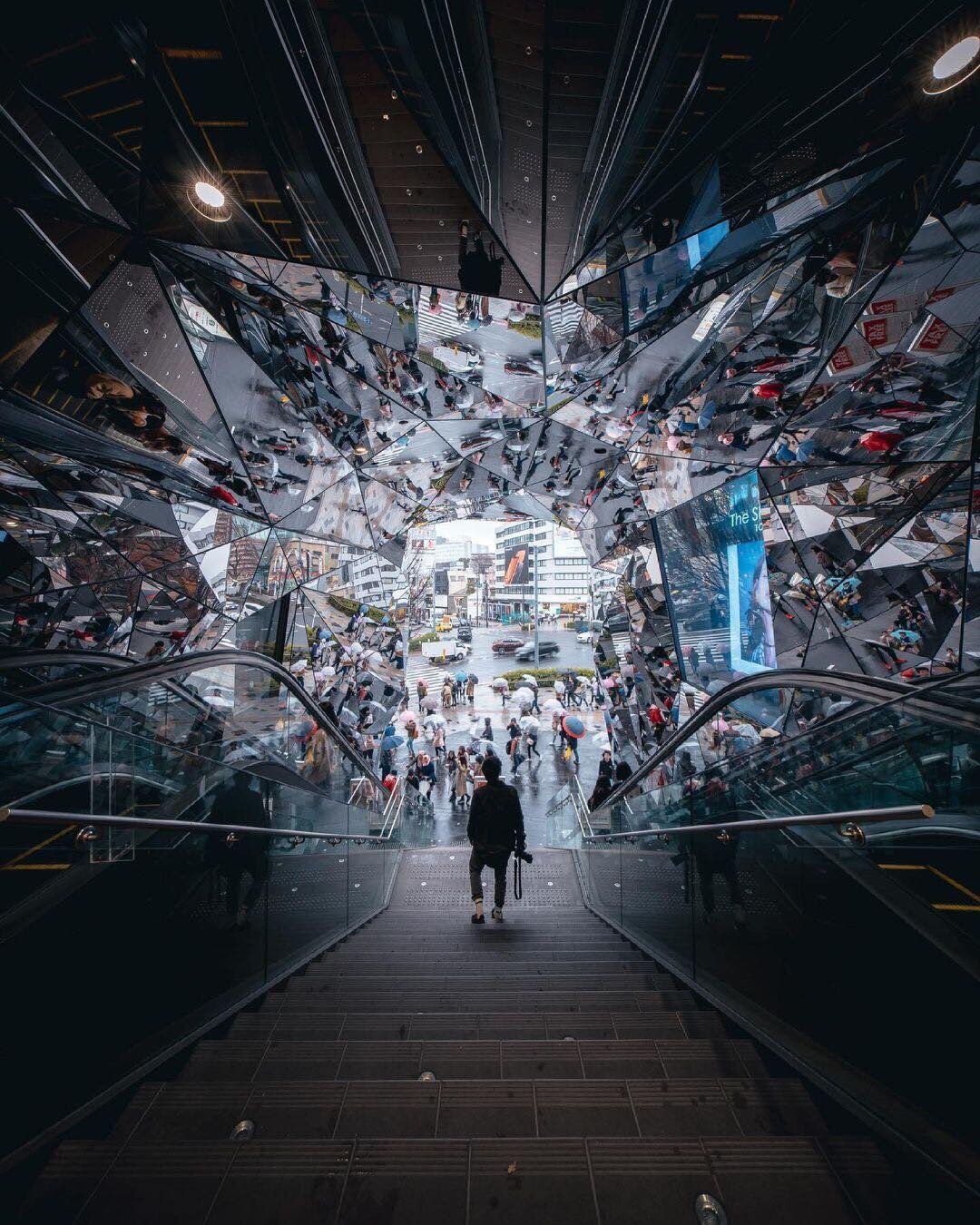
Harajuku might be known for shopping, but after all your shopping is conquered, you’re going to work up a serious appetite. Well luck you, because you’ll be in the midst of sweets heaven where you can try all the bizarre and unique sweets around the area. The area will be mostly centered around in and around Takeshita Street in Harajuku. At first glance, you might notice that there are crepes…LOTS of crepes. If you’re a sweet tooth then you’re in for a treat. But, aside from their crepes they have lots of other sweets and snacks to try too.

While you’re in the area, be sure to check out the following:

  • All the different crepe shops on Takeshita Street

  • Sesame Ice Cream at Gomaya Kuki

  • Giant cotton candy at Totti

  • Animal themed ice cream at Eiswelt Gelato

  • Gourmet popcorn, cute cake pops and the different cafes for pancakes!

Photo Credit: Unsplash

Photo Credit: Timeout Tokyo

How to get there

The main road, Takeshita Street is located right outside the JR Yamanote Lines Harajuku Station.

You can also get there by the Tokyo Metro Chiyoda Line or Tokyo Metro Fukutoshin Line by getting off at Meiji-Jingumae Station which is right in front of Takeshita Street.

 
AMAZAKE | ALCOHOLIC & NONALCOHOLIC

Amazake is a traditional, super healthy drink served either chilled or warm. Ama means sweet and zake is sake, but there is an alcoholic and non alcoholic version to it. The non alcoholic one is made out of rice koji (fermented rice) while the alcoholic one is made from left sake production called sake lees. It’s traditionally consumed on New Years or during the Hinamatsuri (Doll Festival). Amazake has a thick white, creamy consistency to it. When the rice ferments it breaks down the carbs into simple sugars giving it a natural sweetness to it. Amazake is also considered to be the natural IV drip because of how healthy it is for you! Hungover? Drink some amazake to re-hydrate you! Try some on our Tokyo Food Tour.

Photo Credit: Media Magical Trip

Photo Credit: Just One Cookbook

BEER (ASAHI/KIRIN) | ALCOHOLIC

Whether it be at home, the bar, the izakaya or at karaoke, beer is Japan’s number one choice in alcohol. Currently, four companies dominate the beer industry - Asahi, Kirin, Suntory and Sapporo. Asahi and Kirin have been known to be long time rivals. During the late showa era (1926-1989), Kirin was Japan’s number one brewer with over 60 percent of the market control. But, in the late 80s, Asahi came out with the Super Dry and took over Kirins lager as the number one beer. While you're in Japan, try different beer brands and see which one you like the best!  

Photo Credit: Media Magical Trip

Photo Credit: Media Magical Trip

CALPIS | NONALCOHOLIC

One of the most popular non carbonated soft drinks in Japan, Calpis has been serving Japan since 1919. This milky based soft drink is a favorite drink, particularly among kids. It has a light, milky taste to it - almost like a vanilla yogurt, yakult flavoring to it. You can get regular calpis, flavored calpis and even calpis soda - the carbonated version of it. Try calpis practically anywhere in Japan - vending machines, convenience stores, restaurants and drinking establishments. 

Fun fact: Calpis is made from two words. Cal from the word calcium and pis from the sanskrit word of salpis - one of the five tastes described in Buddhism. However, it’s sold as Calpico overseas because calpis sounds a lot like cow p**s in english. In Japanese it’s pronounced as karu-pisu

Photo Credit: Tsunagu Japan

Photo Credit: Tsunagu Japan

CANNED BOSS COFFEE | NONALCOHOLIC

If you’re a coffee lover, then trying new coffees in different countries is a must. In Japan, some of the most popular coffees are not in cafes but in a can. You might be skeptical at first, but Suntory’s canned BOSS coffee is practically in every single vending machine in Japan due to its popularity. The vending machines have both hot and cold options for their canned coffee. 

Canned coffee started in Japan in the 1950s when convenience stores and vending machines became popular. It naturally spread to the rest of the world and grew in massive popularity in Asia. While there are many brands of canned coffee and we recommend trying various brands, BOSS coffee is by far the most popular choice in Japan.

Photo Credit: Just One Cookbook

Photo Credit: Live Japan

COFFEE JELLY | SWEET

If you're a huge coffee person, trying a cup of coffee jelly in Japan is a must. It’s a refreshing dessert made from black coffee, gelatin powder and sugar. It’s then topped off with whipped creme and sometimes ice cream. You can get a cup of coffee at any cafes or convenience stores in Japan!

Photo Credit: Marion Crepes Trip Advisor

Photo Credit: Just One Cookbook