



IMO KENPI | SWEET

These traditional, crispy, candied sweet potatoes are the perfect snack - they're cheap AND addicting! Imo Kenpi are a very common snack from Kochi Prefecture that are made by frying thin strips of sweet potatoes and coating them with sugar afterwards. They look like french fries but are crispier and sweeter. You can buy imo kenpi at select Japanese sweets shops or convenience stores. You can also try them on out tokyo food tour!

Photo Credit: Matcha JP

Photo Credit: Koichi City website

JAPANESE CURRY | SAVORY

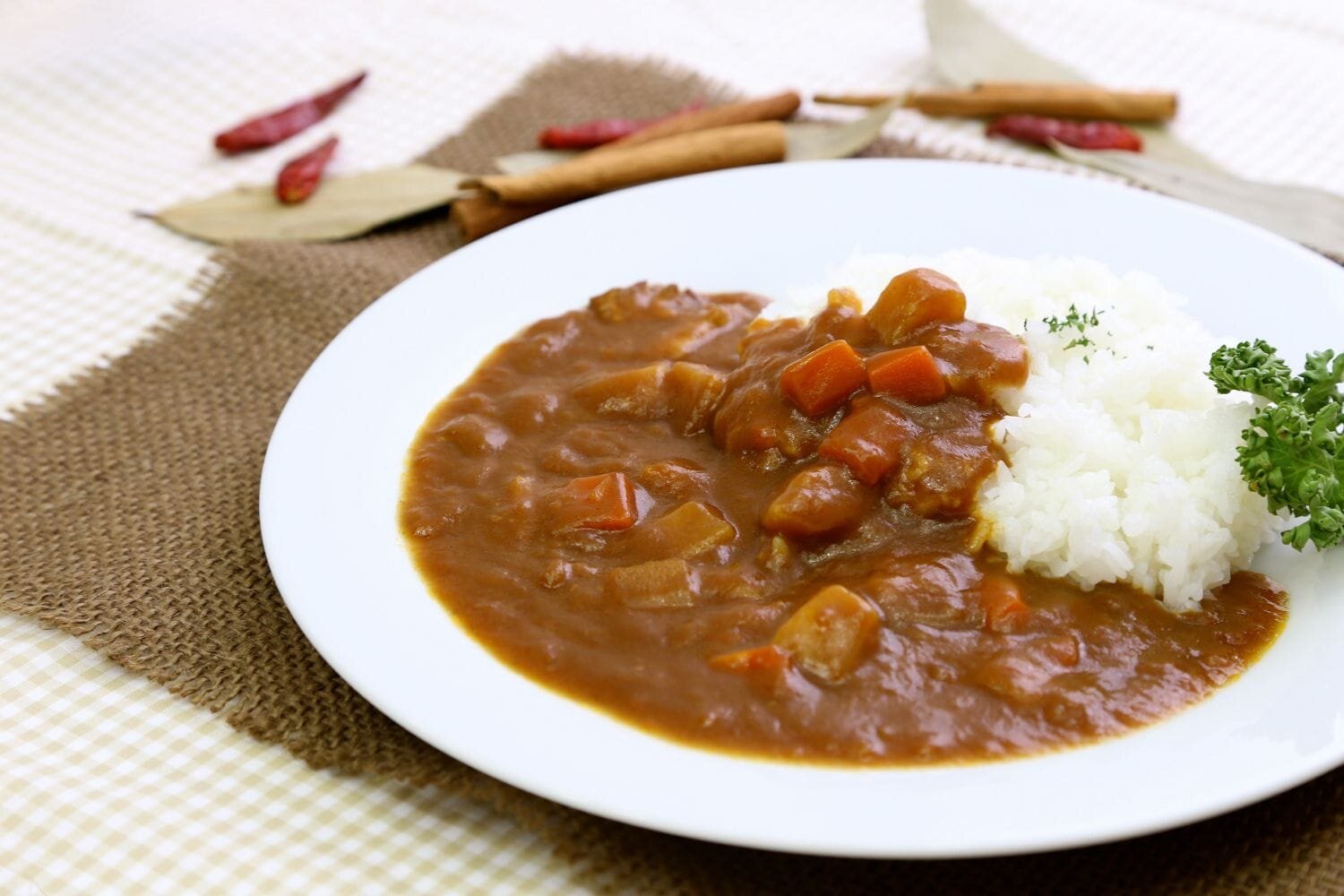
Japanese curry or Curry Rice is a widely popular dish in Japan. Basic Japanese curry consists of the curry sauce, potatoes, carrots, some kind of meat and onions inside. It was introduced by the British in the 1800s but has developed into its own unique Japanese style since then. Compared to Indian or Thai curry, Japanese curry is much thicker and sweeter. The sweetness comes from the caramelized onions, carrots and grated apples. Oftentimes, Indian and Thai curry are very spicy making it hard for children to eat, but as Japanese curry is a lot milder and sweeter, it’s very popular among children in Japan. Curry specialty stores can be found anywhere in Japan.

Photo Credit: Favy

Photo Credit: Matcha JP

KAISEN DON | SAVORY

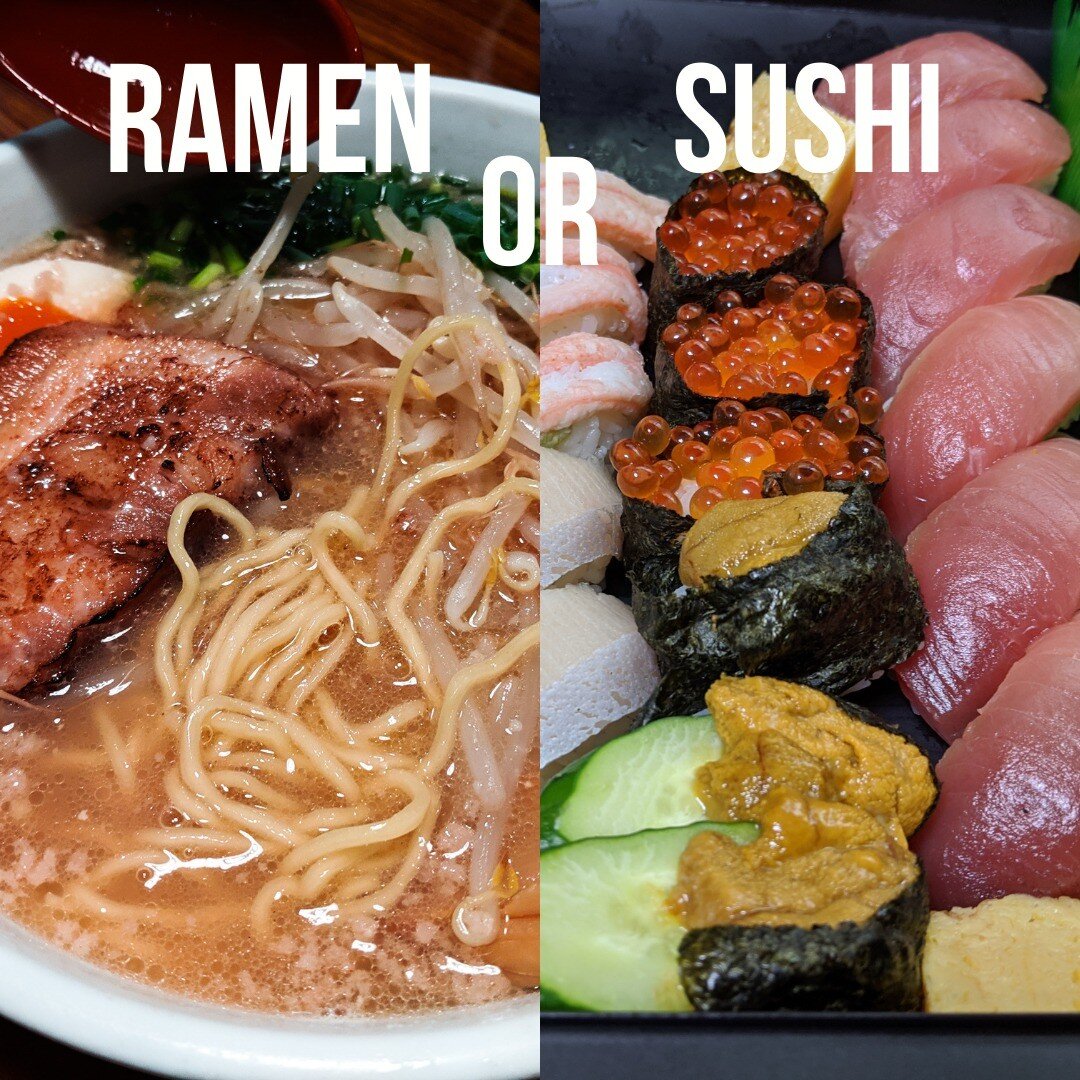
Kaisen Don is the combination of two words combined - kaisen means seafood and don is from donburi which means rice bowl - meaning a seafood rice bowl. Kaisen Don usually consists of a variety of different raw seafood over white rice. It’s not to be confused with chirashizushi which looks the same, except the rice is usually sushi rice meaning it's seasoned with vinegar. Kaisen Don restaurants and places like the Tsukiji Outer Market are popular places to get kaisen don.

Photo Credit: Just One Cookbook

Photo Credit: Favy

KARAAGE | SAVORY

If you're fond of fried chicken then trying karaage is a must. Karaage is Japanese fried chicken that's juicy, crispy and bursting with flavor. What makes the fried chicken Japanese is that it usually uses soy sauce and sake when cooking the chicken. Karaage can be found anywhere. You can find it at food stalls, convenience stores, bento shops (lunch box shops), and a menu item that every Japanese person knows is on any izakaya menu.

Photo Credit: Tokyo Cheapo

Photo Credit: Just One Cookbook

KIT KATS | SWEET

Kit Kat is one of the most popular chocolate brands in Japan for several reasons. In Japanese, Kit Kat is pronounced Kitto Katsu which is an expression of good luck in Japan or literally “you will win”. It is often given to school children before a test as a good luck treat. Aside from this clever word play, Kit Kat also has over a hundred different flavors in Japan with some bizarre ones like wasabi, sake and pumpkin pudding to name a few! You can buy Kit Kat almost anywhere in Japan. Of course, you will come across the basic ones in supermarkets, but you can find far more varieties in Don Quijotes, select Bic Cameras and the Kit Kat Chocolatory stores for high-end expensive Kit Kats.

Photo Credit: Just One Cookbook

Photo Credit: Tokyo Cheapo

KOMBU | SAVORY

Kombu is Japanese kelp widely enjoyed in Japan. It is a primary ingredient in dashi (a type of broth) and forms the base for many Japanese dishes. Lots of miso soup or shabu shabu will use kombu as the base of the broth. Kombu can also be enjoyed pickled and eaten as a side dish with rice. We try pickled kombu from a store that opened up in 1877 as part of our Tokyo food tour.

Photo Credit: Just One Cookbook

Photo Credit: Global Rakuten

MANJU | SWEET

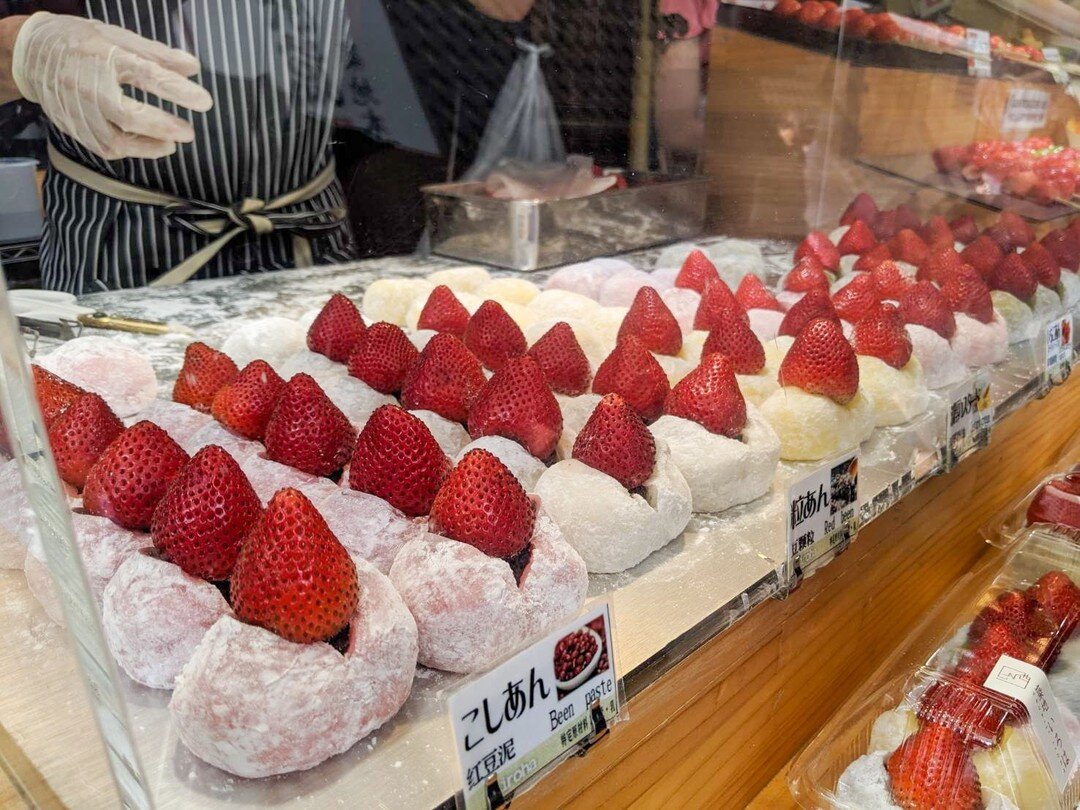
Manju is a traditional Japanese confection that is one of the cheapest and most popular in Japan. There are many types of manju, but most of them are typically a small round cake made from wheat, rice and buckwheat flour, filled with azuki red beans. It is commonly enjoyed with tea. You can find manju at convenience stores or wagashi shops (Japanese sweets shops).

Photo Credit: Medium

Photo Credit: Just One Cookbook

MATCHA (GREEN TEA) | NONALCOHOLIC

Matcha is actually a type of ryokucha. Ryokucha is green tea and there are many different types of it such as matcha. Matcha is just the leaves of the ryokucha that are powdered after a certain process. In fact matcha is usually common only in green tea ceremonies. However, there are many flavored green tea stuff like green tea ice cream, green tea kit kats and so on. Here is a break down of different types of green tea in Japan:

Ryokucha types(Green tea): Regular green tea from the tea plant.

Matcha: Uses tea leaves that have been shaded from sunlight, dried and then powdered down. 

Sencha: The most common form of ryokucha where only the leave are harvested from the tea plant. The leaves are in the shape of a needle.

Photo Credit: Medium

Photo Credit: Matcha Cafe Bali

MELON PAN | SWEET

Melon Pan is a type of Japanese sweet bread. Pan means bread in Japanese, so basically a melon bread. But, the bread itself does not taste like a melon it only resembles a shape like a melon. The bread is nice and soft on the inside and crispy like a cookie on the outside. Typically it comes in different flavors such as chocolate chip, strawberry and green tea (oddly enough not melon) and lately there have even been cream and ice cream filled melon pan! They are sold at any convenient stores and grocery stores, but of course the best ones come from melon pan specialty bakeries.

Photo Credit: Japan Shopping

Photo Credit: Medium

MELON SODA | NONALCOHOLIC

Melon Soda is a popular drink in Japan - particularly loved by every Japanese kid. It has a neon green color to suggest it’s melon flavoring but it might not exactly taste like the fruit! Instead it’s a bit milder, creamier and more processed making for a unique, delicious soda. It’s quite popular to have Melon Soda with ice cream in it, making it a cream soda float. You can get melon sodas at most convenience stores and many restaurants.

Photo credit: Japan Centre

Photo credit: Meiji Academy