





DARUMA DOLLS

Daruma dolls are a traditional Japanese round dolls modeled after Bodhidharma - the founder of Zen Buddhism. They are typically red and depict a bearded man. These dolls are a symbol of good luck and perseverance and is common to be given to people as gifts. Daruma dolls can be purchased at big temples or tourist shopping spots. Asakusa’s Nakamise Street holds many tourists shops that would have Daruma dolls.

Photo credit: Spoon Tamago

Photo credit: Wikipeda

Where to buy: Nakamise Shopping Street, 1 Chome-36-3 Asakusa, Taito City, Tokyo 111-0032

Tel: N/A

Website: http://asakusa-nakamise.jp/e-index.html

Hours: 10:00am- 5:00pm

EDO KIRIKO GLASS ITEMS BY KAGAMI

Kagami was founded in 1934 by Kozo Kagami. They opened up as Japan’s first ever crystal glass factory and specialize in edo kiriko, a type of traditional Japanese cut glass. For over 80 years, they have developed advanced glass making skills and techniques. Their high quality glass is also widely used on official occasions such as receptions for state guests, Japanese embassies and consulate generals across the world. Kagami has also recieved special commissions from the imperial family.

Photo credit: Matcha

Photo credit: Kagami website

Where to buy:  Daiwa Building, 2-1, Ginza 6-Chome, Chuo-ku, Tokyo 104-0061

Tel: 03-3569-0081

Website: https://www.kagami.jp/english/shop/ginza.html

Hours: From Mon-Fri, 11:00~19:30

Sat, Sun and holiday, 11:00~18:30

FUROSHIKI BY MUSUBI (TRADITIONAL JAPANESE WRAPPING CLOTH)

Wrap any of gifts or goods with a traditional Japanese furoshiki. A furoshiki is a traditional Japanese cloth used to wrap any belongings when transporting things, lunches, gifts or goods. And the best part about it? They’re reusable and have beautiful patterns on them. Musubi has been selling furoshikis in Kyoto since 1937 and they recently opened up a shop in Tokyo. Aside from the traditional uses of furoshiki, Musubi has also incorporated modern, contemporary approaches by having ways to wrap furoshikis as bags, bottle holders, handkerchiefs and more! They sell furoshikis in 8 different types of material including silk, organic cotton and wool!

Photo credit: Spoon Tamago

Photo credit: Musubi

Where to buy: 2-31-8, Jingumae, Shibuya-ku, Tokyo, 150-0001 Japan

Tel: +81-3-5414-5678

Website: https://www.musubi-furoshiki.com/

Hours: Closed on Wednesdays, 11:00am - 7:00pm

Video credit: Musubi

OKIAGARI KOBOSHI DOLLS

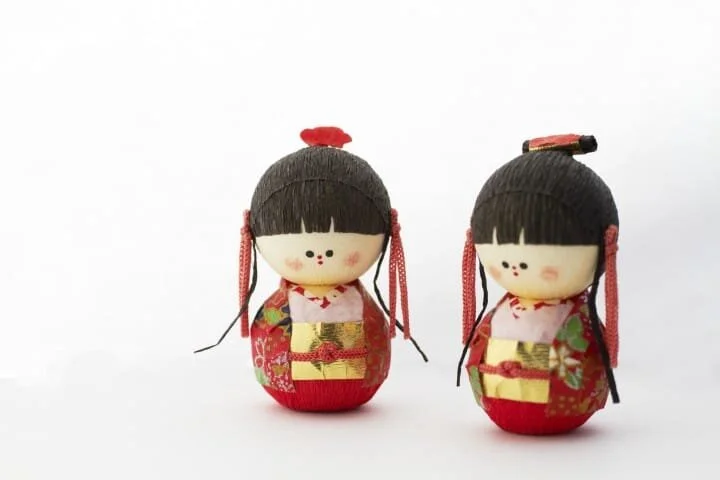
Okiagari Koboshi dolls are traditional dolls with unique and charming features painted on them. Okiagari literally means to get up. These cute little dolls will stand up even after being pushed down! They are sold in almost any souvenir shops throughout Japan. A great place for souvenir shops and souvenir items like this would be at Tokyo Skytree.

Photo credit: Savvy Tokyo

Photo credit: Matcha

Where to buy:  1 Chome-1-2 Oshiage, Sumida City, Tokyo 131-8634

Tel: 0570-550-634

Website: http://www.tokyo-skytree.jp/en/

Hours: 8:00am - 9:30pm

OMAMORI/FORTUNES FROM SHRINES AND TEMPLES

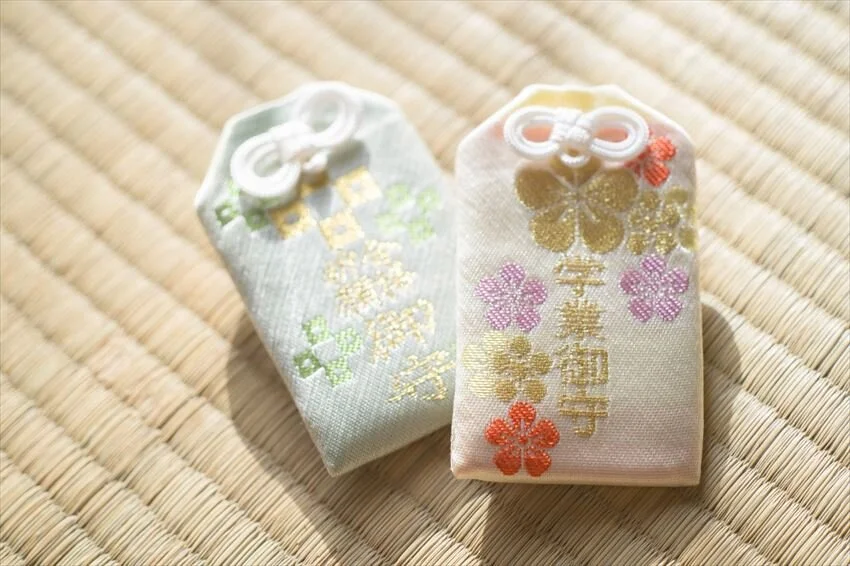
If you are visiting Japan, you most likely will come across the thousands of shrines and temples that Japan hold. At each shrine or temple, you can purchase an omamori and a fortune. An omamori is basically a lucky charm, special to that temple or shrine. Depending on the shrine or temple, they have lucky charms for different things. For example, if the shrine or temples deity relates to school or work, you may find charms related to success in school or work. If you are on a tour in Tokyo, a great place to get an omamori or fortune would be from Meiji Shrine or Sensoji Temple. Both are major shrines and temples in Tokyo and would be a great spot to get a fun little souvenir from Tokyo!

Photo credit: Savvy Tokyo

Photo credit: Japan Hoppers

Where to buy:

Meiji Shrine: 1-1 Yoyogikamizonocho, Shibuya City, Tokyo 151-8557

Sensoji Temple: 2 Chome-3-1 Asakusa, Taito City, Tokyo 111-0032

Tel: N/A

Website:

https://www.meijijingu.or.jp/

http://www.senso-ji.jp/

Hours:

Meiji Shrine: 5am - 6pm

Sensoji Temple: 6am - 5pm

BAGS BY NEUTRAL GRAY

Located in Kuramae, Tokyo, Neutral Gray offers some of the most durable yet lightest leather bags around. The secret lies within the amount of oil used in their light cow leather. The oil plays a key role in keeping the leather durable and thick, yet adjusted perfectly to make the leather nice and light to carry around. You’d have to carry one yourself to see how incredibly light these bags are, yet maintaining high quality and excellent leather.

Photo credit: Ippodo website

Photo credit: Neutral Gray website

Where to buy: Rose Garden 101. 4-14-13, Kuramae Taito-ku Tokyo, 111-0051

Tel: 03-5809-2241

Website: https://neutralgray.jp/

Hours: Closed Mon-Wed, 12:00pm - 7:00pm

JAPANESE GREEN TEA BY IPPODO

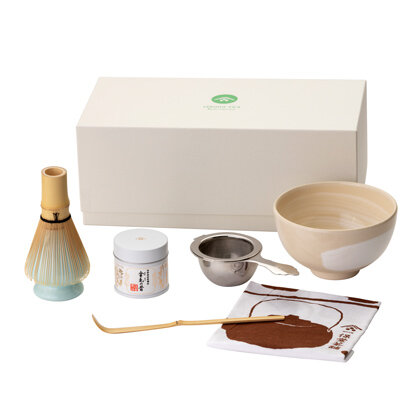
Ippodo tea hails from Kyoto and has been offering authentic Japanese green tea for over three centuries now. In 2010, Ippodo tea opened up a shop in Tokyo making it the first street front shop aside from their main branch in Kyoto. Here, you can experience Japanese green tea and see the depths of different types of green teas and enjoy the wide variations of flavors. Each flavor differs depending on how you prepare the leaves. They also feature a tea room where you order a tea set that comes with freshly brewed tea and traditional Japanese sweets.

Photo credit: Ippodo website

Photo credit: Ippodo website

Where to buy: Kokusai Bldg. 1F 3-1-1 Marunouchi Chiyoda Ward, Tokyo 100-0005

Tel: +81-3-6212-0202

Website: https://www.ippodo-tea.co.jp/en/shop/marunouchi-tokyo.html

Hours: 11:00am - 7:00pm

JAPANESE CERAMICS BY KURODATOUEN

Part exhibitions space, part store, you can find Japanese modern, contemporary, traditional ceramics and antiques at Kurodatouen. Setting up shop in 1935 right in the heart of Ginza, the shop is still owned by the Kuroda family. They have a wide variety of ceramics and and their collection is so vast that they opened another store in Shibuya more recently. Both the Ginza and Shibuya stores feature an exhibition space from rotating artists. Even if you aren’t going to purchase ceramics, it’s definitely a unique shop to step into to check out.

Photo credit: Kurodatouen website

Photo credit: Kurodatouen website

Where to buy: 7-8-6 Ginza, Chuo, Tokyo JAPAN

Tel: +81-3-3571-3223

Website: https://kurodatouen.com/info?lang=en

Hours: Closed Mondays, 11:00am - 7:00pm

MISO SOUP RECIPE

A very common staple food in Japanese dishes, miso soup is a basic soup familiar to the Japanese household. This traditional soup is made from dashi stock mixed with miso paste. Additionally, it is common to put in Japanese kelp, tofu and other seasonal ingredients of your choice inside.

They can be sold in instant packets or as a side dish a long with a traditional Japanese meal. It is normal to enjoy miso soup for any meal as some households will even have it for breakfast a long with rice and fish.

If you’d like to try miso soup at home, try making it at home! It’s nice and easy!

Video Credit to Tasty. Miso Soup instructions are from 1:27-2:44.

INGREDIENTS

  • Dashi broth (360ml)

  • 7oz of tofu

  • 1/2 cup of snow peas (Can be substituted for your choice of veggies. I personally like onions or carrots!)

  • 2oz enoki mushrooms (Again, it can be substituted with your choice of veggies)

  • 2 tablespoons of miso paste

  • A handful of Japanese wakame seaweed

Procedure

  • Cut the tofu into cubes.

  • Trim your snow peas (Or whatever veggies that you may have).

  • Cut the ends of your enoki mushrooms off.

  • In a pot, add your dashi and bring it to a boil. Then add your tofu, snow peas and mushrooms in and boil for 3 minutes. Add in your wakame seaweed into the soup while its boiling as well.

  • Turn off your heat.

  • Then, put your miso past in a small bowl and add some dashi inside.

  • Dissolve the miso with the dashi by mixing

  • Once dissolved, add this miso into your pot.

  • Turn the heat back on and enjoy!

*How much dashi and miso you add in is up to you. It depends on how strong you want the taste to be! You can also use any veggies you wish to use.

Photo credit: Matcha Website

Photo credit: Matcha Website

Recipe and procedure credits to Tasty

#tokyofoodtour #greentea #matcha #japanesegreentea #japantour #tokyotour #instagood #getinmybelly #photooftheday #instacool #tokyo #hellotokyotours #ilovetokyo #hellotyo #streetsoftokyo #visittokyo #foodie #foodtour #preciousmemories #familytravel #thingstodointokyojapan #tokyoguide #kamiyabar #tokyofoodtour #thingstodointokyojapan #tokyofoodtour #food #japanesecooking #japaneserecipes

#misosoup

SQUISHY TOYS

A recent internet sensation that started appearing on YouTube were squishy toys from Japan. These super squishy toys, when pressed take some time to come back to it’s original form. When the toy is retracting back to it’s original form, it also makes a very subtle foamy noise which has been a big hit for ASMR sound recording videos. The squish toys have also been seen as a stress reliever for some people due to it’s unique feel when it’s squeezed. It also helps that they smell great! A bread shaped squeeze toy smells like you’re in a bakery! The harder you squeeze the more the scent is expelled out. Mooosh Squish in Harajuku specializes in these toys and sell the most popular squish toy brand Bloom.

Photo credit: Time Out website

Where to buy: Stepin-Harajuku 1F, 1-16-7, Jingumae, Shibuya-Ku, Tokyo, 150-0001, Japan

Tel: 090-4705-8080

Website: https://i-bloom-squishy.com/english/

Hours: 10:00am - 6:30pm