Exploring Nakano Broadway July 2025 | Japan Tour

Credits: Japan Guide (Nakano Broadway entrance

If you’re looking for a fun and different shopping spot in Tokyo, Nakano Broadway is a great place to visit. It's not as famous as places like Shibuya or Akihabara, but it's full of surprises. Just one train stop away from Shinjuku, Nakano Broadway is a hidden gem that’s loved by both locals and visitors.

Nakano Broadway is a 4-floor shopping building that is best known for its anime, manga, toys, and collectibles. It’s also home to some tasty treats and fun little shops you won’t find anywhere else.

You can think of it as:

  • A dream come true for fans of Japanese pop culture

  • A vintage arcade with a fun and old-school feel

  • A place where you can find rare and one-of-a-kind items

It opened in 1966 and was once a luxury shopping center. But over time, it became famous for stores like Mandarake, which sells all kinds of secondhand anime and manga items. Now, it’s a treasure hunt spot where every corner has something interesting.

You’ll also find fun snacks, like an 8-layer ice cream cone at Daily Chico in the basement. There’s even a cool café on the top floor created by Japanese artist Takashi Murakami.

What makes Nakano Broadway so special is the feeling that you never know what you’re going to find. Some items are brand-new, while others are decades old and hard to find anywhere else. The building itself also has a retro vibe, with its 1960s architecture still intact. This gives it a nostalgic charm that’s very different from modern shopping malls in Tokyo.

Even if you’re not a big anime fan, Nakano Broadway is still a fun place to explore. The mix of old and new, the hidden corners, the colorful items, and the local feel make it one of the most interesting spots in Tokyo. It’s a place that feels real and alive, where you can experience another side of the city—one that’s creative, playful, and full of personality.

So, if you’re planning a Japan tour and want to go beyond the usual sightseeing spots, make sure to add Nakano Broadway to your things to do in Tokyo Japan list. It’s a small adventure that will leave you smiling, whether you leave with a rare manga, a fun souvenir, or just a great memory of exploring Tokyo like a local.


Book our Private Customised Tour and include a stop at Nakano Broadway!

Private Walking Tour
Private Car Tour

Connect with us!

Discovering Asakusa July 2025 | Private Tours of Tokyo

Credits: Agoda.com (Evening view of Asakusa’s Nakamise Shopping Street leading to the illuminated Sensoji Temple)

When you think of Tokyo, images of futuristic skyscrapers, dazzling neon lights, and cutting-edge technology likely come to mind. But nestled in the eastern part of the city lies a district that transports you back to old Edo—Asakusa, a charming neighborhood where tradition, culture, and community spirit thrive.

Whether you're on a Tokyo tour or wandering solo, discovering Asakusa is a must for those who want to experience a different side of Japan’s capital.


Step Back in Time at Senso-ji Temple

At the heart of Asakusa is Senso-ji, Tokyo’s oldest and most iconic Buddhist temple. Built in the 7th century, Senso-ji attracts millions of visitors annually. As you approach the temple, you'll first pass through Kaminarimon (Thunder Gate), with its massive red lantern—a symbol of Asakusa and a popular photo spot.

Stroll along Nakamise Shopping Street, a bustling stretch lined with shops selling traditional snacks, local souvenirs, yukata (summer kimonos), and handmade crafts. The aroma of freshly made ningyo-yaki (red bean cakes) fills the air—irresistible to any foodie on a Japan tour!


Explore Old Meets New

While Asakusa is steeped in history, it’s far from outdated. The district balances Edo-period charm with modern touches. After paying your respects at Senso-ji, head to the nearby Asakusa Culture and Tourist Information Center for panoramic views of the neighborhood and the Tokyo Skytree towering in the distance.

For something truly unique, take a ride on a rickshaw, led by friendly and knowledgeable pullers who share insights into the area’s history and hidden gems.


Take a Cruise Along the Sumida River

Just steps from Senso-ji, you’ll find the Sumida River, where you can board a water bus for a scenic cruise. This leisurely ride offers a refreshing way to view Tokyo’s skyline, bridges, and riverside parks—especially during cherry blossom season or in the evening when the city lights reflect on the water.


Savor Local Flavors

Asakusa is a haven for traditional Japanese cuisine. Whether you’re sampling tempura at a centuries-old restaurant, enjoying matcha ice cream, or sipping on amazake (sweet sake) in a back alley shop, your taste buds are in for a treat.


Asakusa is an unmissable stop for travelers seeking to understand Tokyo’s roots. Whether you're planning a private tours of Tokyo, joining guided tours of Japan, or simply exploring at your own pace, Asakusa offers the perfect blend of culture, history, food, and warmth.

Let this historic neighborhood enchant you with its nostalgic charm and vibrant spirit—discovering Asakusa is discovering the soul of Tokyo.


Book our Private Customised Tours and make Asakusa one of your unforgettable stops!

Private Walking Tour
Private Car Tour

Connect with us!

Top 3 Firework Festivals | July 2025 Tokyo Tour Guide

Credits: Tokyo Cheapo (Sumidagawa Fireworks with a backdrop of Tokyo Skytree)

Summer in Japan isn’t complete without the mesmerizing burst of fireworks lighting up the night sky. Known as hanabi taikai, these seasonal festivals are one of the most cherished traditions in the country. For travelers exploring Tokyo and its surrounding areas in July 2025, there are three standout firework festivals that offer unique experiences—from historical riverside explosions to oceanfront displays. This Tokyo tour guide highlights the top three firework festivals you shouldn’t miss:

Sumidagawa Fireworks Festival | Yokohama Night Flowers | Kamakura Fireworks Festival

1. Sumidagawa Fireworks Festival – Tokyo’s Most Iconic Summer Spectacle

The Sumidagawa Fireworks Festival, happening on Saturday, July 26, 2025, is Tokyo’s most iconic summer fireworks event. Held along the Sumida River near Asakusa, it dates back to the 18th century and features over 20,000 fireworks launched in a stunning 90-minute display. With views of Tokyo Skytree and the historic Asakusa district, it blends tradition and modern charm.

Locals in yukata, riverside picnics, and classic street food complete the festive vibe. Arrive by mid-afternoon for a good spot, or book paid seating or a river cruise for comfort.

2. Yokohama Night Flowers – Short but Stunning Harbor Fireworks

For a more relaxed yet equally enchanting experience, head to Yokohama for the Yokohama Night Flowers fireworks on Saturday, July 5 and 12, 2025. These short five-minute firework shows light up the sky near Yamashita Park and Yokohama Port, offering a charming and romantic setting with far fewer crowds than Tokyo's major displays.

What sets the Yokohama Night Flowers apart is the ambiance. Rather than a massive spectacle, this show feels like a quiet evening gift to the city.

3. Kamakura Fireworks Festival – Coastal Magic and Underwater Fireworks

If you’re looking for a beachside fireworks show, the Kamakura Fireworks Festival on Friday, July 18, 2025, is a great choice. Held at Yuigahama and Zaimokuza Beaches, this event has a calm, relaxed vibe and even features special underwater fireworks that light up the ocean surface in a beautiful way.

About 2,500 fireworks are launched over 50 minutes—smaller than Tokyo’s big shows, but the ocean view and peaceful setting make it very special.


Tokyo and its nearby cities offer some of the most dazzling summer fireworks displays in Japan. Whether you want the historic grandeur of Sumidagawa, the charming waterfront vibes of Yokohama, or the coastal serenity of Kamakura, each festival promises a unique and unforgettable evening. Make sure to include at least one of these events in your Tokyo things to do list—and don’t forget to bring your camera, your appetite for festival food, and your sense of summer wonder!


Connect with us!

Exploring Hakone Shrine | One Day Trip From Tokyo June 2025

Credits: Tripadvisor (Shinto priests walk down the steps of Hakone Shrine, a bright red temple surrounded by tall trees)

If you're looking for a quiet and beautiful place to visit in Japan, Hakone Shrine is a perfect choice. It sits near the edge of Lake Ashi, surrounded by tall trees and fresh mountain air. Only a couple of hours from Tokyo, this gem is a great stop for a relaxing one day trip from Tokyo.

What Is Hakone Shrine?

Hakone Shrine is a Shinto shrine, which means it’s a place where people come to pray to Japanese gods for good luck, protection, or happiness. It was built more than 1,200 years ago and has been an important spiritual site for many people—warriors, travelers, and everyday visitors.

Even now, people come here to make wishes for safe travels, good health, passing exams, or a happy family life.

The Red Torii Gate on the Lake

One of the most famous parts of Hakone Shrine is the big red torii gate that stands in the water of Lake Ashi. This gate is a symbol that marks the entrance to a sacred place. The photo of the red gate with the lake and mountains in the background is one of the most popular shots in Japan!

A Magical Forest Path

To reach the main shrine, you’ll walk up stone steps surrounded by huge cedar trees and old stone lanterns. The path feels like something from a movie—peaceful, green, and full of history.

Once you reach the top, you’ll see the main shrine building, painted in bright red with traditional Japanese roof designs. People stop here to offer prayers and take in the calm, spiritual feeling.

Why You Should Visit

Hakone Shrine is not just a beautiful building—it’s a place where you can slow down, breathe deeply, and feel connected to nature and tradition. Whether you're interested in Japan's culture or just want a peaceful break from the city, this shrine has something special to offer.


Explore Hakone Shrine and more—book your Private Hakone Tour with us today!

Book Tour

Connect with us!

Exploring the Red Brick Warehouse | June 2025 Day Tours of Tokyo

Credits: Japan Travel (Photo of the Red Brick Warehouse)

If you're visiting Tokyo and looking for a fun day trip, head to Yokohama Red Brick Warehouse. Just about 40 minutes from central Tokyo by train, this beautiful place offers a mix of shopping, dining, ocean views, and history—all in one charming spot!


WHAT IS THE RED BRICK WAREHOUSE?

The Red Brick Warehouse (called Aka-Renga Soko in Japanese) is made up of two large red brick buildings near the Yokohama Port. These buildings are over 100 years old and were once used as customs offices and storage during Japan’s trading days. Today, they’ve been transformed into a stylish space full of shops, restaurants, and event halls.

It’s where old meets new—and it's a great place to relax, eat, shop, and enjoy the view.

Credits: Wikipedia

WHAT YOU CAN DO AT THE RED BRICK WAREHOUSE

Shopping
Inside the warehouse, you'll find many small shops selling unique items—from handmade Japanese crafts and kitchenware to clothes, home decor, and cute souvenirs. It’s a great place to find gifts or something special for yourself.

Eat & Drink
There are lots of food choices—from casual cafes to full restaurants. Many spots offer a view of the ocean, making your meal even more enjoyable.

Take Photos
The red brick walls, wide open space, and sea views make this area perfect for photos. Whether it's sunny or cloudy, the scenery always looks nice. Come at sunset for the most beautiful views.

Seasonal Events
The Red Brick Warehouse hosts different events throughout the year. Depending on the season, you might find:

  • A Christmas market (in winter)

  • Beer festivals (in summer)

  • Outdoor concerts

  • Food markets

In June 2025, look out for these highlights:

  • Japan Burger Championship — June 13–15, where burger chefs from across Japan gather to compete and offer delicious treats.

  • Yokohama Sake Square 2025 — June 12 and 13, a lively outdoor sake tasting festival held right at the warehouse

  • Yokohama Cycle Style 2025 — June 21–22, a cycling event with demos and stalls in the plaza area


What’s Nearby?

The area around the Red Brick Warehouse is also worth exploring. You can walk to:

  • Yamashita Park – a peaceful waterfront park.

  • Minato Mirai – a modern shopping and entertainment district.

  • Osanbashi Pier – a great place to enjoy ocean views and watch cruise ships.


Why You Should Visit

Whether you’re traveling with family, friends, or on your own during your Japan Tour, the Red Brick Warehouse is a great place to spend a few hours. It has a cozy and stylish atmosphere, with a mix of history and modern fun. It’s perfect for anyone who enjoys good food, local shopping, relaxing walks, and pretty views.


Make the Most of Your Visit with a Private Yokohama Tour

Want a deeper experience of Yokohama beyond just the Red Brick Warehouse? Join our Private Yokohama Tour—a full-day journey through the city’s rich mix of history, culture, food and modern charm.

Key locations:

Yamashita Park

Hikawa Maru

Yamate Hill

Yokohama Chinatown

Minato Mirai

Scenic boat ride (Sea Bass)


Book your Private Yokohama Tour with us!

Book Tour

Connect with us!

Uncovering Lemon Sour | Food Tours Tokyo June 2025

Credits: Pinterest - Macaro-ni,jp (Lemon Sour served in a large clear mug)

Tokyo in June brings the gentle hum of summer, the start of the rainy season (tsuyu), and a craving for something cold, refreshing, and undeniably Japanese. Enter: Lemon Sour - a staple drink at countless izakayas across Japan, Lemon Sour is more than just a cocktail - it's a cultural experience in a glass. On our Food Tours in Tokyo this June 2025, we’re spotlighting this zesty favorite and showing guests how this simple drink can tell a delicious story of Tokyo’s modern drinking culture.

What is Lemon Sour?

Lemon Sour, or remon sawa (レモンサワー), is a beloved Japanese cocktail typically made with fresh lemon juice, shochu (a distilled Japanese spirit), soda water, and sometimes a splash of syrup or salt. Its flavor is clean and tangy—perfect for cutting through the richness of grilled meats, fried snacks, and bold izakaya dishes.

Unlike sugary Western cocktails, Lemon Sour is refreshingly dry and balanced, making it an ideal choice for Tokyoites who prefer something light but punchy. And there’s no better way to beat the June humidity than with a cold Lemon Sour in hand!

Why It’s Popular in Tokyo

Walk into any Tokyo izakaya, and you’ll likely see Lemon Sour on the menu. It's a go-to drink for after-work salarymen, trendy Gen Z crowds, and foodies alike. What makes it truly special? Its versatility and simplicity. Some places even make their own house blend, infusing lemons for days or using craft shochu.

Whether you’re in a back-alley standing bar or a sleek downtown gastropub, you’ll find your perfect Lemon Sour - each one offering a slightly different take on this beloved classic.

What Makes It a Must-Try This June?

June in Tokyo is humid, often rainy, and a bit sticky - the perfect time to embrace cold, fizzy refreshment. While beer is popular, many locals switch to Lemon Sour because it feels lighter and more hydrating (and is often lower in calories, too!).

Lemon Sour also reflects the Japanese approach to summer: simple pleasures, seasonal ingredients, and sharing good food with friends.


Lemon Sour isn’t just a drink—it’s a reflection of Tokyo’s unique charm. From classic izakayas to creative citrus-inspired bars, each glass tells a story of the city’s evolving food culture. Discovering these local favorites offers a deeper connection to the everyday rhythms of Tokyo.

Exploring with a private tour guide Japan can make moments like this even more memorable - bringing context, local knowledge, and access to places you might not find on your own. And sometimes, it’s the simple things - a cold drink, good company, and a hidden corner of the city - that leave the biggest impression.


Join our Food Tour and enjoy a refreshing Lemon Sour at one of our stops - Izakaya!

Small Group Food Tour
Private Food Tour

Connect with us!

Discovering Tokyo Plaza Harajuku (Harakado) | June 2025 Tokyo Guide

Credits: Japan Guide (front view of the Tokyu Plaza Harajuku (Harakado)

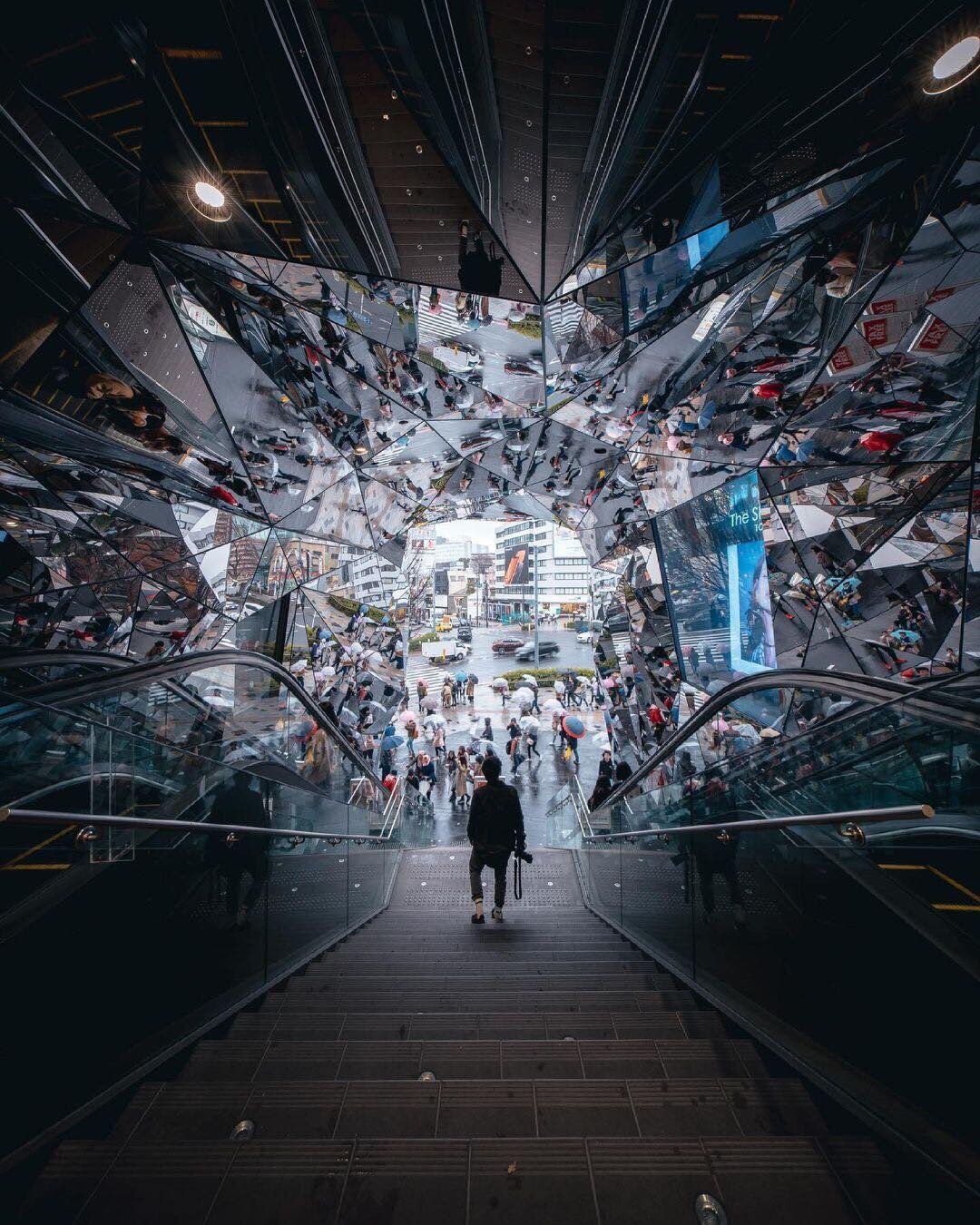
In the heart of Tokyo’s colorful and creative Harajuku district, Tokyu Plaza Harajuku – Harakado offers a fresh new way to experience fashion, culture, and community. Opened in April 2024, this architecturally stunning complex is more than just a shopping mall - it’s a lifestyle destination where locals and travelers alike come to connect, create, and be inspired.

A Blend of Nature and Urban Design

Designed by acclaimed architect Akihisa Hirata, Harakado’s unique facade - made of glass polyhedrons and flowing terraces - reflects both the movement of the city and the organic beauty of nature. The building feels alive, seamlessly blending Tokyo’s fast-paced energy with calming green spaces like its rooftop terrace, which offers sweeping views of the city.

Where Creativity Meets Community

Harakado is not your typical commercial complex. Inside, you'll find a vibrant mix of shops, restaurants, creative studios, and even a traditional public bath. The concept was inspired by the historic Harajuku Central Apartments -once a hub for creators and free thinkers - and continues that legacy by giving space to independent brands, emerging artists, and collaborative projects.

From curated fashion boutiques and Japan-exclusive lifestyle goods to casual cafés and elevated dining experiences, Harakado invites visitors to slow down, discover something new, and engage with Tokyo's ever-evolving culture.

A Must-Visit in Your Tokyo Itinerary

Located just steps from Harajuku Station and Meiji-Jingumae Station, Harakado is easy to access and perfectly placed for exploring Tokyo’s youth culture capital. Whether you’re hunting for unique souvenirs, craving authentic Japanese food, or just looking for a beautiful spot to relax, this modern plaza is a must-see.

Location: 6-31-21 Jingumae, Shibuya-ku, Tokyo
Hours: Shops open from 11:00 AM to 9:00 PM; Restaurants until 11:00 PM
Access: 4-minute walk from JR Harajuku Station or 1-minute from Meiji-Jingumae Station


Tokyu Plaza Harajuku (Harakado) is more than just a shopping complex - it's a creative and cultural destination that captures the essence of modern Tokyo. With its innovative design, curated selection of shops and eateries, and spaces for art and relaxation, it offers a refreshing way to explore the Harajuku area.

Whether you’re strolling through nearby Omotesando, admiring the architecture, or discovering local boutiques, having insights from a Tokyo Private Tour Guide can make your experience even more meaningful. It’s a place where the city’s energy, style, and community spirit come together - making it a must-visit for curious travelers.


Book your Private Customised Tours with us!

Private Walking Tour
Private Car Tour

Connect with us!

Business Travel in Japan — Language Tips and AI Tools to Navigate with Confidence

Japan is one of the most dynamic and sophisticated business destinations in the world. For international professionals, conducting meetings, negotiating deals, or attending conferences in Tokyo offers incredible opportunities—but it also presents unique cultural and linguistic challenges. Whether you’re meeting a client in Shibuya, attending a tech seminar in Roppongi, or presenting a pitch in Marunouchi, navigating Tokyo as a business traveler requires more than just a suitcase and a translator app.

Understanding Japanese business etiquette, mastering key phrases, and using the right AI tools can mean the difference between a successful exchange and an awkward misstep. That’s why Hello Tokyo Tours offers tailored business travel planning in Tokyo—helping you feel confident, respectful, and fully prepared.

In this comprehensive Japan business travel guide, you’ll find language tips, etiquette essentials, and tech tools that will help you connect across cultures and conduct business in Japan with finesse.

Essential Japanese Phrases for Business Travelers

Language is a powerful bridge, especially in Japan, where politeness and nuance shape daily communication. Even a basic effort to speak Japanese is seen as a sign of respect and professionalism.

Common Polite Greetings

Here are some useful language tips for business travelers:

Ohayou gozaimasu (おはようございます) – Good morning (used until around 10am).

Konnichiwa (こんにちは) – Good afternoon.

Hajimemashite (はじめまして) – Nice to meet you (used during first introductions).

Yoroshiku onegaishimasu (よろしくお願いします) – A polite phrase that means “I look forward to working with you.”

Arigatou gozaimasu (ありがとうございます) – Thank you very much.

Language for Meetings and Networking

O-sewa ni natte orimasu (お世話になっております) – A formal phrase to express gratitude, often used when starting business calls or emails.

Shitsurei shimasu (失礼します) – “Excuse me” or “I’m being rude,” said when entering or leaving a meeting room.

Moushiwake arimasen (申し訳ありません) – A formal apology, meaning “I sincerely

apologize.”

In informal networking scenarios, light small talk about Japanese food, travel, or your admiration for Japanese culture can help break the ice.

Exchanging Business Cards (Meishi)

One of the most iconic aspects of Japanese business etiquette is the proper exchange of meishi (business cards). Here’s how to do it respectfully:

● Use both hands to present and receive cards.

● Make sure the card is facing the recipient so they can read it immediately.

● Take a moment to study the card before placing it in a case—not your pocket.

● Never write on a business card in front of the person who gave it to you.

Cultural Etiquette to Avoid Faux Pas

Understanding business culture in Japan means paying close attention to non-verbal cues and formalities. In Japan, etiquette often speaks louder than words.

Bowing Techniques

Bowing is an essential greeting and a sign of respect. A deeper bow indicates greater respect.

For business purposes:

● A 15-degree bow is acceptable for casual greetings.

● A 30-degree bow is standard in formal business settings.

Avoid offering a handshake unless your counterpart initiates it.

Respect for Time and Hierarchy

Japanese meeting etiquette emphasizes punctuality. Always arrive at least 10 minutes early to meetings. Showing up late—even by a few minutes—can be seen as disrespectful.

Additionally, be mindful of hierarchical seating arrangements. The most senior person usually sits farthest from the door. Wait to be directed where to sit unless you’re clearly the host.

Smart Translation Strategies for Global Professionals

Even with basic Japanese skills, business travelers often rely on digital tools to handle translation tasks—whether it’s converting reports into Japanese or navigating real-time conversations. Thanks to advancements in AI-powered translation, overcoming language barriers is more achievable than ever.

Smarter Tools for Smarter Communication

MachineTranslation.com is a professional translation service built for users who need fast, accurate, and customizable results. It allows you to upload a document and instantly compare translations from top AI engines—like Google Translate, DeepL, and Microsoft—side by side.

This comparative view helps you select the most natural, contextually accurate translation for your audience.

When you’re preparing localized pitch decks, investor updates, or business strategies, this side-by-side approach helps preserve your tone while adapting your message for Japanese business culture.

Translation That Meets Professional Standards

For emails, contracts, or executive summaries, using AI translation with professional features is essential:

● Use “formal” or “business” tone settings when available.

● Prioritize tools with segment-level editing and bilingual views for better control.

● For critical documents, consider platforms that support Human verification, ensuring final translations meet publication or legal-grade standards.

MachineTranslation.com’s AI Translation Agent also personalizes results by asking targeted questions. For registered users, it remembers your preferences—so your terminology, tone, and corrections stay consistent across projects.

Working with Sensitive or Confidential Content

When translating financial data, legal terms, or private communications, choose platforms that respect your data. MachineTranslation.com offers privacy features like text anonymization and file handling with no cloud storage, making it a secure choice for high-stakes content.

Local Services and Business Hotspots in Tokyo

For an efficient and productive trip, your workspace and accommodations should meet international standards. Here are some local tips tailored to Tokyo business travel:

Best Hotels for Business in Tokyo

1. The Peninsula Tokyo – Located near Marunouchi, this five-star hotel offers meeting rooms, a business center, and bilingual staff.

2. Park Hotel Tokyo – Stylish, centrally located, and equipped with international amenities.

3. Shinagawa Prince Hotel – Ideal for short stays, with easy access to Shinkansen and airport lines.

Tokyo Coworking Spaces with Modern Facilities

WeWork Shibuya Scramble Square – Great for networking with startups and international professionals.

Regus Tokyo Midtown – Offers premium serviced offices in a central location.

CIC Tokyo (Toranomon Hills) – A hub for global innovators with events and multi- language support.

Navigating Tokyo’s Transportation System

Tokyo’s public transport is world-class, but can be daunting.

● Purchase a Suica or Pasmo card for seamless train, subway, and bus rides.

● Use apps like Navitime or Google Maps with Japanese transit settings for clear navigation.

● Always have your destination written in Japanese when using taxis.

Business-Friendly Cafes and Restaurants

Tully’s Coffee or Doutor – Reliable chains with Wi-Fi and quiet seating.

Café de l’Ambre (Ginza) – Good for discreet meetings in a vintage setting.

Nicolai Bergmann Nomu (Omotesando) – A stylish café that’s perfect for relaxed conversations.

Conclusion

Tokyo business travel tips don’t stop at where to stay or how to get around. Success in Japandepends on the ability to communicate clearly, show respect for cultural norms, and use technology to your advantage. By embracing cross-cultural business communication, learning essential phrases, and using AI tools for travel in Japan, you can turn potential barriers into professional opportunities.

Whether you’re crafting a localized pitch deck, planning meetings with Japanese executives, or simply trying to get from your hotel to the nearest coworking space, Hello Tokyo Tours can help you every step of the way.

From personalized translation support to curated itineraries that blend productivity with cultural enrichment, Hello Tokyo Tours is your ideal partner for business travel planning in Tokyo. Let us help you bridge the language gap, honor local customs, and leave a strong impression in every boardroom.

Travel smart. Communicate with confidence. Experience Tokyo like a true professional.

Ready to plan your next business trip to Japan? Contact Hello Tokyo Tours today to learn more about our custom business travel packages for global professionals.

Hello Tokyo
Uncovering Amazake | May 2025 Food Tour Tokyo

Credits: TasteAtlas (Amazake Drink - the before and after process)

If you’re joining a food tour Tokyo, one of the most unique and culturally rich tastes you’ll encounter is amazake—a sweet, fermented rice drink that has been part of Japan’s culinary heritage for over a thousand years. Often overlooked in favor of more famous Japanese food and drinks, amazake is a hidden gem that offers a glimpse into the country’s deep tradition of fermentation and seasonal wellness.


What Is Amazake?

Amazake (甘酒), which translates to “sweet sake,” is a traditional Japanese beverage made from fermented rice. Despite the name, most amazake is non-alcoholic or contains very low alcohol content, making it safe and enjoyable for everyone—from children to adults. Its smooth texture and natural sweetness come from the fermentation process, which breaks down rice starches into sugars.

There are two main types of amazake:

  • Non-alcoholic amazake: Made with rice and koji (a fermentation starter).

  • Low-alcohol amazake: A by-product of sake production.

This nutrient-rich drink has been cherished in Japan for over 1,000 years, often associated with good health, longevity, and traditional celebrations.

Amazake in Modern Japan

Though amazake is steeped in history, it’s enjoying a fresh wave of popularity as part of Japan’s growing interest in fermented and gut-healthy foods. Packed with amino acids, enzymes, and natural probiotics, amazake fits perfectly with today’s wellness trends.

In Tokyo, locals especially enjoy it chilled during the warmer months, like May, making it a refreshing and healthy drink as you explore the city. Its smooth sweetness and nourishing qualities invite visitors to slow down and savor a simple but profound taste of Japanese tradition.


Amazake is more than just a beverage—it’s a living symbol of Japan’s respect for tradition, health, and harmony of flavors. With a knowledgeable Private Tour Guide Tokyo leading the way, you’ll enjoy an unforgettable experience—sipping amazake in historic neighborhoods, learning about its rich history, and discovering how this ancient drink connects Japan’s past to its present!


Book your Food Tour with us and enjoy a variety of local flavors — including a stop to try traditional Amazake!

Private Food Tour
Small Group Food Tour

Connect with us!

Discovering Nakamise Shopping Street | May 2025 Tokyo Guide

Credits: Pinterest (Aerial view of the bustling Nakamise Shopping Street)

If you're heading to Japan this May, make sure to explore one of Tokyo’s most iconic landmarks—Nakamise Shopping Street in Asakusa. A highlight of any Tokyo guide, this historic street combines centuries-old culture with the lively charm of traditional shopping, all set against the backdrop of the majestic Senso-ji Temple.

Step Into History
Nakamise is one of Japan’s oldest shopping streets, stretching about 250 meters from Kaminarimon Gate to the main hall of Senso-ji. With its roots dating back to the early Edo period, this bustling path is lined with nearly 90 shops selling a range of classic Japanese snacks, crafts, and souvenirs—many run by families across generations.

What You’ll Find
Strolling through Nakamise, you’ll be tempted by treats like ningyo-yaki (little sponge cakes filled with sweet bean paste), senbei (rice crackers), and age-manju (deep-fried buns). Beyond food, the street is also a paradise for souvenir hunters, offering yukata, folding fans, chopsticks, lucky charms, and traditional toys—perfect for remembering your Tokyo adventure.

Why May is a Great Time to Visit

May brings mild, sunny days—ideal for walking tours and sightseeing. The street is especially lovely this season with light breezes, blooming greenery, and a festive vibe. Visit in the morning to avoid crowds or catch the golden light of late afternoon for atmospheric photos and a more relaxed pace.

Getting There

Nakamise Shopping Street is easily accessible via the Tokyo Metro. Just hop off at Asakusa Station (served by the Ginza Line, Asakusa Line, and Tobu Skytree Line). From the station, it’s just a short walk to the Kaminarimon Gate—the dramatic entrance marked by a giant red lantern—and the start of the shopping street.


A visit to Nakamise Shopping Street offers a unique chance to experience the heartbeat of traditional Tokyo in a modern city. With its vibrant stalls, historic setting, and rich cultural charm, it's a place you'll want on your itinerary. Be sure to include it in your Tokyo Guide, and for an effortless day, book a Tokyo private tour with transport to make the most of your time in Asakusa!


Book your Private Customised Tours with us and discover more of Nakamise Shopping Street!

Private Car Tour
Private Walking Tour

Connect with us!