

Business Travel in Japan — Language Tips and AI Tools to Navigate with Confidence

Japan is one of the most dynamic and sophisticated business destinations in the world. For international professionals, conducting meetings, negotiating deals, or attending conferences in Tokyo offers incredible opportunities—but it also presents unique cultural and linguistic challenges. Whether you’re meeting a client in Shibuya, attending a tech seminar in Roppongi, or presenting a pitch in Marunouchi, navigating Tokyo as a business traveler requires more than just a suitcase and a translator app.

Understanding Japanese business etiquette, mastering key phrases, and using the right AI tools can mean the difference between a successful exchange and an awkward misstep. That’s why Hello Tokyo Tours offers tailored business travel planning in Tokyo—helping you feel confident, respectful, and fully prepared.

In this comprehensive Japan business travel guide, you’ll find language tips, etiquette essentials, and tech tools that will help you connect across cultures and conduct business in Japan with finesse.

Essential Japanese Phrases for Business Travelers

Language is a powerful bridge, especially in Japan, where politeness and nuance shape daily communication. Even a basic effort to speak Japanese is seen as a sign of respect and professionalism.

Common Polite Greetings

Here are some useful language tips for business travelers:

Ohayou gozaimasu (おはようございます) – Good morning (used until around 10am).

Konnichiwa (こんにちは) – Good afternoon.

Hajimemashite (はじめまして) – Nice to meet you (used during first introductions).

Yoroshiku onegaishimasu (よろしくお願いします) – A polite phrase that means “I look forward to working with you.”

Arigatou gozaimasu (ありがとうございます) – Thank you very much.

Language for Meetings and Networking

O-sewa ni natte orimasu (お世話になっております) – A formal phrase to express gratitude, often used when starting business calls or emails.

Shitsurei shimasu (失礼します) – “Excuse me” or “I’m being rude,” said when entering or leaving a meeting room.

Moushiwake arimasen (申し訳ありません) – A formal apology, meaning “I sincerely

apologize.”

In informal networking scenarios, light small talk about Japanese food, travel, or your admiration for Japanese culture can help break the ice.

Exchanging Business Cards (Meishi)

One of the most iconic aspects of Japanese business etiquette is the proper exchange of meishi (business cards). Here’s how to do it respectfully:

● Use both hands to present and receive cards.

● Make sure the card is facing the recipient so they can read it immediately.

● Take a moment to study the card before placing it in a case—not your pocket.

● Never write on a business card in front of the person who gave it to you.

Cultural Etiquette to Avoid Faux Pas

Understanding business culture in Japan means paying close attention to non-verbal cues and formalities. In Japan, etiquette often speaks louder than words.

Bowing Techniques

Bowing is an essential greeting and a sign of respect. A deeper bow indicates greater respect.

For business purposes:

● A 15-degree bow is acceptable for casual greetings.

● A 30-degree bow is standard in formal business settings.

Avoid offering a handshake unless your counterpart initiates it.

Respect for Time and Hierarchy

Japanese meeting etiquette emphasizes punctuality. Always arrive at least 10 minutes early to meetings. Showing up late—even by a few minutes—can be seen as disrespectful.

Additionally, be mindful of hierarchical seating arrangements. The most senior person usually sits farthest from the door. Wait to be directed where to sit unless you’re clearly the host.

Smart Translation Strategies for Global Professionals

Even with basic Japanese skills, business travelers often rely on digital tools to handle translation tasks—whether it’s converting reports into Japanese or navigating real-time conversations. Thanks to advancements in AI-powered translation, overcoming language barriers is more achievable than ever.

Smarter Tools for Smarter Communication

MachineTranslation.com is a professional translation service built for users who need fast, accurate, and customizable results. It allows you to upload a document and instantly compare translations from top AI engines—like Google Translate, DeepL, and Microsoft—side by side.

This comparative view helps you select the most natural, contextually accurate translation for your audience.

When you’re preparing localized pitch decks, investor updates, or business strategies, this side-by-side approach helps preserve your tone while adapting your message for Japanese business culture.

Translation That Meets Professional Standards

For emails, contracts, or executive summaries, using AI translation with professional features is essential:

● Use “formal” or “business” tone settings when available.

● Prioritize tools with segment-level editing and bilingual views for better control.

● For critical documents, consider platforms that support Human verification, ensuring final translations meet publication or legal-grade standards.

MachineTranslation.com’s AI Translation Agent also personalizes results by asking targeted questions. For registered users, it remembers your preferences—so your terminology, tone, and corrections stay consistent across projects.

Working with Sensitive or Confidential Content

When translating financial data, legal terms, or private communications, choose platforms that respect your data. MachineTranslation.com offers privacy features like text anonymization and file handling with no cloud storage, making it a secure choice for high-stakes content.

Local Services and Business Hotspots in Tokyo

For an efficient and productive trip, your workspace and accommodations should meet international standards. Here are some local tips tailored to Tokyo business travel:

Best Hotels for Business in Tokyo

1. The Peninsula Tokyo – Located near Marunouchi, this five-star hotel offers meeting rooms, a business center, and bilingual staff.

2. Park Hotel Tokyo – Stylish, centrally located, and equipped with international amenities.

3. Shinagawa Prince Hotel – Ideal for short stays, with easy access to Shinkansen and airport lines.

Tokyo Coworking Spaces with Modern Facilities

WeWork Shibuya Scramble Square – Great for networking with startups and international professionals.

Regus Tokyo Midtown – Offers premium serviced offices in a central location.

CIC Tokyo (Toranomon Hills) – A hub for global innovators with events and multi- language support.

Navigating Tokyo’s Transportation System

Tokyo’s public transport is world-class, but can be daunting.

● Purchase a Suica or Pasmo card for seamless train, subway, and bus rides.

● Use apps like Navitime or Google Maps with Japanese transit settings for clear navigation.

● Always have your destination written in Japanese when using taxis.

Business-Friendly Cafes and Restaurants

Tully’s Coffee or Doutor – Reliable chains with Wi-Fi and quiet seating.

Café de l’Ambre (Ginza) – Good for discreet meetings in a vintage setting.

Nicolai Bergmann Nomu (Omotesando) – A stylish café that’s perfect for relaxed conversations.

Conclusion

Tokyo business travel tips don’t stop at where to stay or how to get around. Success in Japandepends on the ability to communicate clearly, show respect for cultural norms, and use technology to your advantage. By embracing cross-cultural business communication, learning essential phrases, and using AI tools for travel in Japan, you can turn potential barriers into professional opportunities.

Whether you’re crafting a localized pitch deck, planning meetings with Japanese executives, or simply trying to get from your hotel to the nearest coworking space, Hello Tokyo Tours can help you every step of the way.

From personalized translation support to curated itineraries that blend productivity with cultural enrichment, Hello Tokyo Tours is your ideal partner for business travel planning in Tokyo. Let us help you bridge the language gap, honor local customs, and leave a strong impression in every boardroom.

Travel smart. Communicate with confidence. Experience Tokyo like a true professional.

Ready to plan your next business trip to Japan? Contact Hello Tokyo Tours today to learn more about our custom business travel packages for global professionals.

Hello Tokyo
Uncovering Amazake | May 2025 Food Tour Tokyo

Credits: TasteAtlas (Amazake Drink - the before and after process)

If you’re joining a food tour Tokyo, one of the most unique and culturally rich tastes you’ll encounter is amazake—a sweet, fermented rice drink that has been part of Japan’s culinary heritage for over a thousand years. Often overlooked in favor of more famous Japanese food and drinks, amazake is a hidden gem that offers a glimpse into the country’s deep tradition of fermentation and seasonal wellness.


What Is Amazake?

Amazake (甘酒), which translates to “sweet sake,” is a traditional Japanese beverage made from fermented rice. Despite the name, most amazake is non-alcoholic or contains very low alcohol content, making it safe and enjoyable for everyone—from children to adults. Its smooth texture and natural sweetness come from the fermentation process, which breaks down rice starches into sugars.

There are two main types of amazake:

  • Non-alcoholic amazake: Made with rice and koji (a fermentation starter).

  • Low-alcohol amazake: A by-product of sake production.

This nutrient-rich drink has been cherished in Japan for over 1,000 years, often associated with good health, longevity, and traditional celebrations.

Amazake in Modern Japan

Though amazake is steeped in history, it’s enjoying a fresh wave of popularity as part of Japan’s growing interest in fermented and gut-healthy foods. Packed with amino acids, enzymes, and natural probiotics, amazake fits perfectly with today’s wellness trends.

In Tokyo, locals especially enjoy it chilled during the warmer months, like May, making it a refreshing and healthy drink as you explore the city. Its smooth sweetness and nourishing qualities invite visitors to slow down and savor a simple but profound taste of Japanese tradition.


Amazake is more than just a beverage—it’s a living symbol of Japan’s respect for tradition, health, and harmony of flavors. With a knowledgeable Private Tour Guide Tokyo leading the way, you’ll enjoy an unforgettable experience—sipping amazake in historic neighborhoods, learning about its rich history, and discovering how this ancient drink connects Japan’s past to its present!


Book your Food Tour with us and enjoy a variety of local flavors — including a stop to try traditional Amazake!

Private Food Tour
Small Group Food Tour

Connect with us!

Discovering Nakamise Shopping Street | May 2025 Tokyo Guide

Credits: Pinterest (Aerial view of the bustling Nakamise Shopping Street)

If you're heading to Japan this May, make sure to explore one of Tokyo’s most iconic landmarks—Nakamise Shopping Street in Asakusa. A highlight of any Tokyo guide, this historic street combines centuries-old culture with the lively charm of traditional shopping, all set against the backdrop of the majestic Senso-ji Temple.

Step Into History
Nakamise is one of Japan’s oldest shopping streets, stretching about 250 meters from Kaminarimon Gate to the main hall of Senso-ji. With its roots dating back to the early Edo period, this bustling path is lined with nearly 90 shops selling a range of classic Japanese snacks, crafts, and souvenirs—many run by families across generations.

What You’ll Find
Strolling through Nakamise, you’ll be tempted by treats like ningyo-yaki (little sponge cakes filled with sweet bean paste), senbei (rice crackers), and age-manju (deep-fried buns). Beyond food, the street is also a paradise for souvenir hunters, offering yukata, folding fans, chopsticks, lucky charms, and traditional toys—perfect for remembering your Tokyo adventure.

Why May is a Great Time to Visit

May brings mild, sunny days—ideal for walking tours and sightseeing. The street is especially lovely this season with light breezes, blooming greenery, and a festive vibe. Visit in the morning to avoid crowds or catch the golden light of late afternoon for atmospheric photos and a more relaxed pace.

Getting There

Nakamise Shopping Street is easily accessible via the Tokyo Metro. Just hop off at Asakusa Station (served by the Ginza Line, Asakusa Line, and Tobu Skytree Line). From the station, it’s just a short walk to the Kaminarimon Gate—the dramatic entrance marked by a giant red lantern—and the start of the shopping street.


A visit to Nakamise Shopping Street offers a unique chance to experience the heartbeat of traditional Tokyo in a modern city. With its vibrant stalls, historic setting, and rich cultural charm, it's a place you'll want on your itinerary. Be sure to include it in your Tokyo Guide, and for an effortless day, book a Tokyo private tour with transport to make the most of your time in Asakusa!


Book your Private Customised Tours with us and discover more of Nakamise Shopping Street!

Private Car Tour
Private Walking Tour

Connect with us!

The History of Yokohama Chinatown | May 2025 Day Tours of Tokyo

Credits: Mainichi.jp (oldest photo of Yokohama’s Chinatown)

Yokohama Chinatown (横浜中華街, Yokohama Chūkagai) stands today as one of the largest and most vibrant Chinatowns in the world, rich with culture, flavor, and history. But its roots stretch back more than 160 years to a time when Japan was just opening up to the world. Easily accessible from the capital, Yokohama Chinatown is a popular stop on many day tours of Tokyo, offering a deep dive into the cultural diversity that thrives just beyond the city.

After more than two centuries of isolation, Japan reopened its ports to international trade in 1859, and Yokohama quickly became a hub for foreign commerce. Chinese immigrants, many of whom came as traders, cooks, and interpreters, began settling in the area around the port. They formed a community that maintained strong cultural ties to their homeland while integrating into Japanese society.

The early years of Yokohama Chinatown were modest, with a few small shops and restaurants. However, over time, it grew into a bustling neighborhood featuring Chinese temples, schools, and a thriving culinary scene. The community overcame challenges such as the 1923 Great Kanto Earthquake and World War II bombings, rebuilding stronger each time.

Today, Yokohama Chinatown is home to over 500 shops and restaurants, drawing millions of visitors annually. Iconic landmarks like the colorful Goodwill Gate and Kanteibyo Temple—dedicated to the Chinese deity of business and prosperity—are testaments to its enduring heritage.


Yokohama Chinatown is not just a tourist destination—it's a living piece of cultural history, reflecting over a century of cross-cultural exchange and resilience. It’s a highlight on many Japan tours, offering travelers a unique glimpse into the rich multicultural layers that make up modern Japan.

Credits: Time Out


Discover more of Yokohama Chinatown on our Private Yokohama Tour!

Private Yokohama Tour

Connect with us!

Tokyo Tower

Rising 333 meters in the heart of Tokyo, Tokyo Tower is the tallest self-supporting steel tower in the world, standing 3 meters taller than the Eiffel Tower. It represents Japan's resurgence as a major economic force after the war and held the title of the tallest building in the country from its completion in 1958 until 2012, when the Tokyo Skytree took over. Besides being a favorite destination for tourists, Tokyo Tower also functions as a broadcast antenna.

Photo credits: Traveloka

Tickets include both the Main Deck and the Upper Deck. The main deck of the tower is 150 meters high, and the observatory provides a cool view of the city. There are some 'lookdown windows' in the floor to check out, along with a souvenir shop and a cafe.

The top deck is 250 meters up from where you can enjoy an amazing view of Tokyo, towering over the nearby buildings. It's the third-tallest observation deck in the city. On clear days, you can spot the Tokyo Skytree and even Mount Fuji way off in the distance.

Availability: 7 days per week. Any time from 9:00 - 22:45 (Last admission at 22:15).

Duration: 45 minutes – 1.5 hours

Price: 33 USD for adults (19+ years old), 31 USD for high schoolers (16-18 years old), 21 USD for Juniors (7-15 years old), 15 USD for Children (4-6 years old).

This add-on can be incorporated into the middle of your tour, or we can arrange for you to be dropped off at the Tokyo Skytree at the end of your tour. If you choose to enjoy it mid-tour, your guide will happily accompany you and provide commentary on the cityscape. The guide’s ticket can be arranged at your expense.

Location: 4 Chome-2-8 Shibakoen, Minato City, Tokyo 105-0011, Japan

This can be booked as an add-on (extra) to a private customized tour. Please select this ‘extra’ during the check-out when booking your tour.

 
What Happens at Meiji Jingu Spring Grand Festival | May 2025 Tokyo Guide

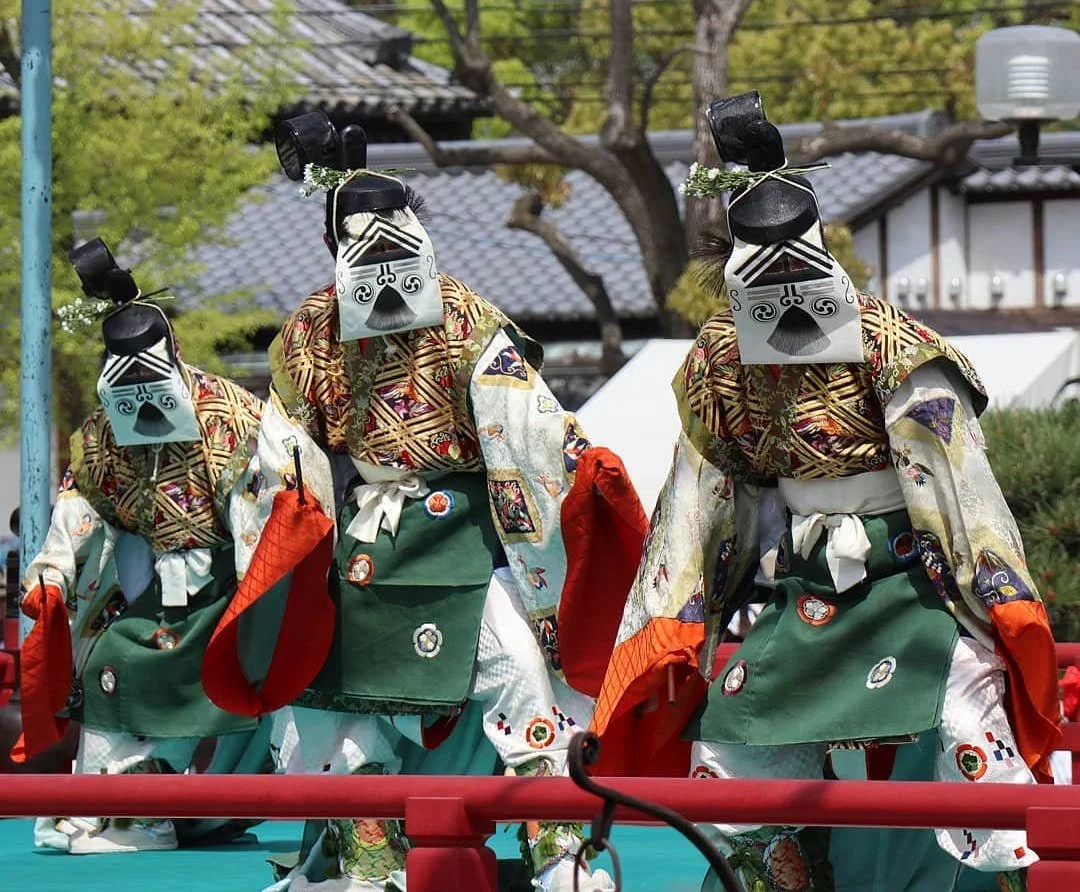
Credits: Tokyo Cheapo (traditional cultural performance at the Meiji Jingu Spring Grand Festival)

Every spring, Tokyo’s iconic Meiji Jingu Shrine becomes the setting for one of Japan’s most elegant and culturally rich events—the Meiji Jingu Spring Grand Festival (春の大祭). In 2025, this extraordinary festival takes place on May 2 and 3, right in the heart of Golden Week, Japan’s busiest holiday season. But what exactly happens during this revered two-day event in this Tokyo Guide?

Honoring Imperial Legacy | Traditional Performances | Martial Arts Demonstrations | Shrine Rituals and Garden Strolls

Honoring Imperial Legacy

The Spring Grand Festival is held to honor Emperor Meiji and Empress Shoken, the imperial couple enshrined at Meiji Jingu. They played a significant role in modernizing Japan during the Meiji period, and this festival celebrates their contributions through art, ritual, and tradition.

The atmosphere at the shrine is respectful and celebratory, drawing both locals and tourists eager to witness centuries-old customs come alive.

Traditional Performances

One of the festival’s highlights is the series of live traditional performances held on a sacred outdoor stage within the shrine grounds. These include:

  • Bugaku (Ancient Imperial Court Dance): Graceful movements paired with elaborate costumes and music.

  • Noh and Kyogen Theater: Classic Japanese drama and comedic performances, rooted in spiritual and historical themes.

  • Gagaku Music: The oldest surviving style of Japanese classical music, once performed at the Imperial Court.

These performances are free to watch and scheduled throughout the two days. They’re a rare chance to see Japan’s intangible cultural heritage up close.

Martial Arts Demonstrations

For fans of samurai culture and martial arts, the festival also features dynamic demonstrations of:

  • Kyudo (Japanese Archery)

  • Kendo (Japanese Swordsmanship)

  • Occasionally, Yabusame (Horseback Archery) if conditions allow

These demonstrations not only show technique but also embody the spiritual discipline and respect that define Japanese martial traditions.

Shrine Rituals and Garden Strolls

In addition to performances, the festival includes Shinto rituals carried out by shrine priests in traditional garments. These are usually not announced as entertainment but are open to respectful observation.

Visitors can also take time to:

  • Write wishes on ema (wooden prayer plaques)

  • Draw omikuji (paper fortunes)

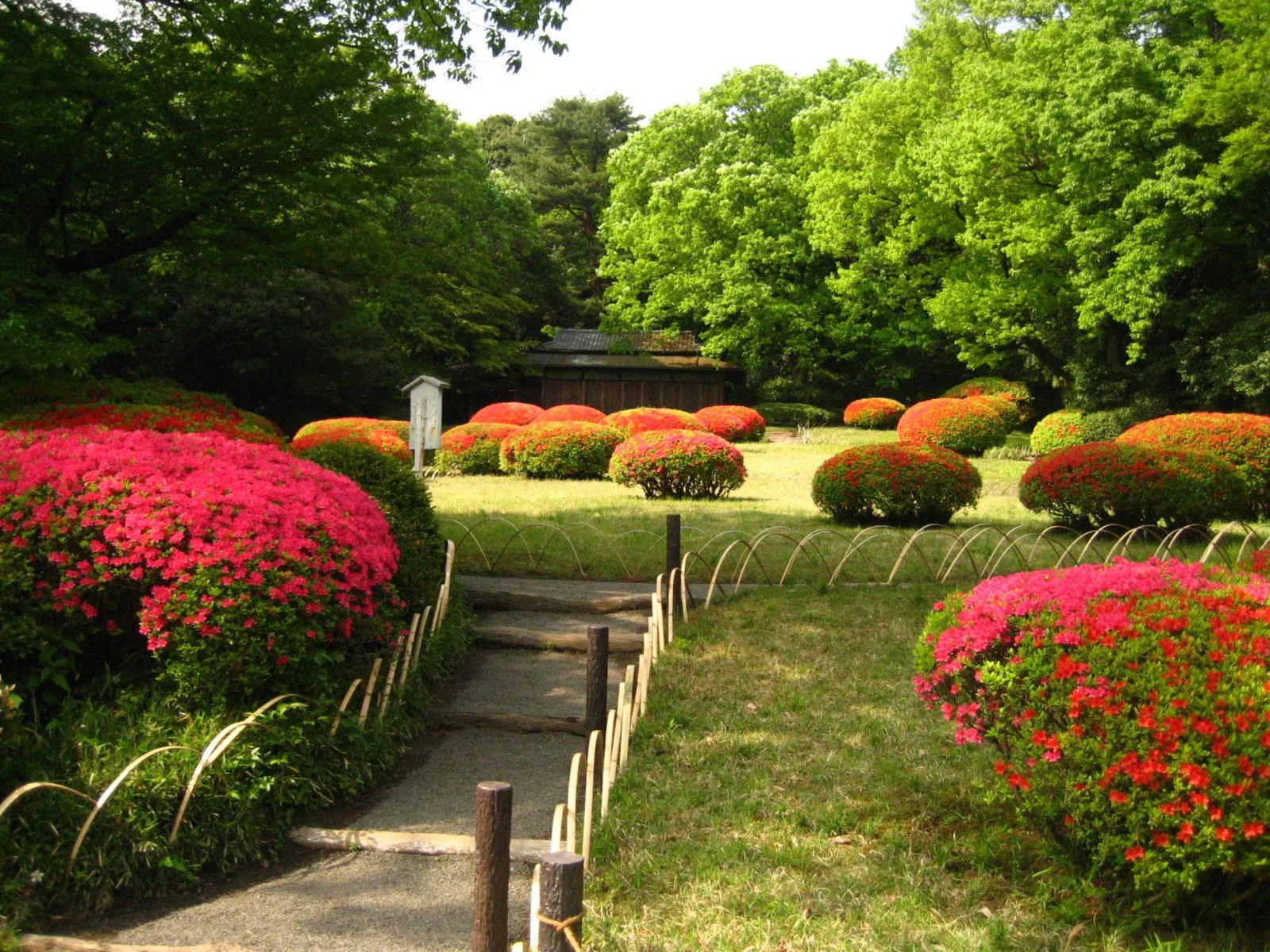
  • Visit the Inner Garden, where spring blooms like irises and azaleas create a serene retreat


While Golden Week is often associated with travel crowds and busy attractions, the Meiji Jingu Spring Grand Festival offers a calm yet deeply cultural experience. Whether you’re drawn by the artistry, spiritual history, or natural setting, this festival is a Tokyo highlight that connects modern visitors with timeless Japanese tradition. It's a great addition to your list of things to do in Tokyo, Japan!


Book your Private Customised Tour with us!

Private Walking Tour
Private Car Tour

Connect with us!

Understanding Shōwa Day | Japan Tours April 2025

Credits: Wikipedia (Formal Portait of Emperor Shōwa in 1935)

If you’re visiting Japan in late April 2025 as part of your Japan tour, you might notice many locals taking time off, museums hosting special exhibits, and a reflective mood in the air. That’s because April 29 marks Showa Day (昭和の日, Showa no Hi)—a national holiday that kicks off Japan’s famous Golden Week, a peak season for both domestic and international travelers.


What is Showa Day?

Showa Day (昭和の日) honors the birthday of Emperor Hirohito, later known as Emperor Showa after his death, who ruled Japan from 1926 to 1989. The Showa Era was a time of dramatic transformation, spanning Japan’s militarization, World War II, and the country's remarkable post-war recovery.

Originally celebrated as the Emperor's Birthday, it later became Greenery Day, and finally, in 2007, was officially named Showa Day to inspire national reflection on the era’s lessons and legacy.

How is it observed?

Unlike more festive Japanese holidays, Showa Day is observed quietly and reflectively. Many people visit historical museums, exhibitions, or serene gardens. It’s also common to spend time in nature—something close to the late emperor’s heart. If you’re traveling in Japan, you’ll find this is a perfect day to enjoy tranquil spaces like Shinjuku Gyoen or the Imperial Palace East Gardens.

The Start of Golden Week

Showa Day also signals the beginning of Golden Week, a string of public holidays that includes Constitution Memorial Day (May 3), Greenery Day (May 4 but will be observed on May 6 this 2025), and Children’s Day (May 5). It’s one of Japan’s busiest travel periods, with many locals taking week-long vacations to relax or return to their hometowns. For tourists, it’s a vibrant time to witness Japanese culture—but also a season when early bookings are essential.


Whether you're a history lover or simply curious about Japanese culture, Showa Day offers meaningful insight into the country's modern journey. It’s not just a day off—it’s a moment of remembrance and appreciation. If you’re planning to explore Tokyo during this season, you can join a private tours in Tokyo. A local guide can help you understand the significance of Showa Day while uncovering lesser-known historical spots that bring Japan’s rich past to life.


Book your Private Customised Tours with us!

Private Walking Tour
Private Car Tour

Connect with us!

Discovering Hikawa Maru | Day Tours from Tokyo April 2025
Day tours of Tokyo

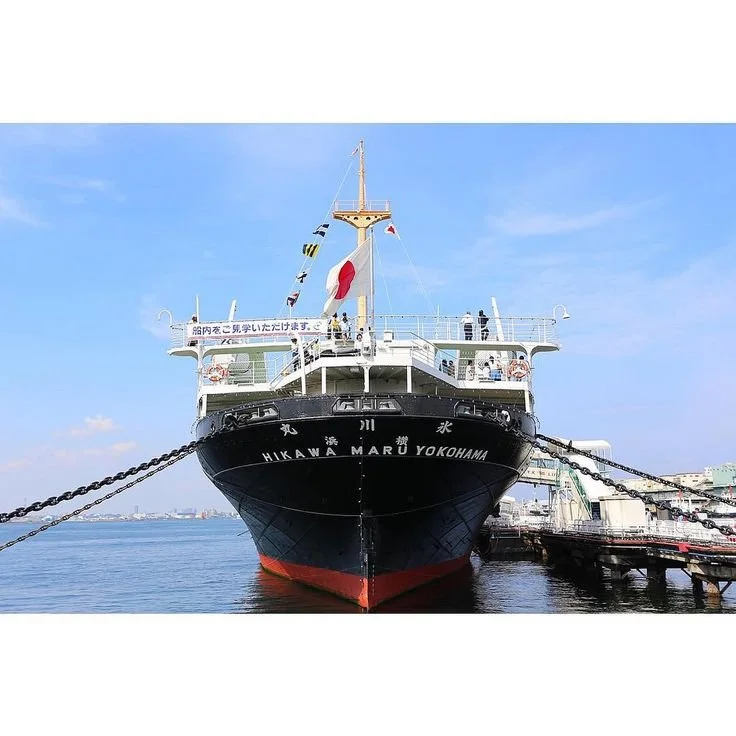
Credits: Pinterest (Hikawa Maru Ship permanently docked in Yokohama)

If you're planning a day tour from Tokyo to Yokohama, Japan, and you're looking for a unique blend of maritime history and nostalgic elegance, a visit to the Hikawa Maru should be on your list. Docked permanently at Yamashita Park, this beautifully preserved ocean liner offers a rare glimpse into the glamour of early 20th-century sea travel.


What is the Hikawa Maru?

Nicknamed the “Queen of the Pacific,” the Hikawa Maru is a historic passenger ship that first set sail in 1930. Built by the renowned NYK Line (Nippon Yusen Kaisha), she served as a trans-Pacific ocean liner, connecting Yokohama with Seattle and Vancouver. The ship was known for its luxury, first-class amenities, and celebrity passengers—including the famous silent film actor Charlie Chaplin.

From Luxury Liner to Wartime Hospital Ship

Hikawa Maru's journey wasn't just about transporting passengers in style. During World War II, the ship was converted into a hospital ship, a rare distinction that allowed it to survive the war relatively unscathed—unlike her sister ships, which were lost in action. After the war, she resumed service as a passenger liner before retiring in 1960.

Credits: 日本郵船氷川丸

Why Visit the Hikawa Maru Today?

Now open as a floating museum, the Hikawa Maru offers visitors a chance to explore its lavish interiors, including:

  • First-class cabins and elegant dining rooms with art deco designs

  • The engine room, showcasing the ship’s original machinery

  • Historical exhibits on the ship’s wartime role and trans-Pacific voyages

  • Panoramic views of Yokohama Bay from the deck

Walking through the ship feels like stepping back in time—each room is meticulously restored and full of period details, offering a rich and immersive experience.


Whether you’re a history lover, a maritime enthusiast, or simply looking for a peaceful stop with great photo ops, the Hikawa Maru offers a memorable and enriching experience. It's the perfect place to reflect on Japan’s global connections, wartime resilience, and the golden age of ocean travel—all while enjoying the sea breeze and views of Yokohama’s scenic waterfront. Book a Yokohama Tour with us as a day trip from Tokyo and explore the historic Hikawa Maru alongside our knowledgeable Tokyo tour guide for an unforgettable journey into the past.

 
Book Yokohama Tour
 

Connect with us!

Exploring Yanaka Cemetery – April 2025 Tokyo Things To Do

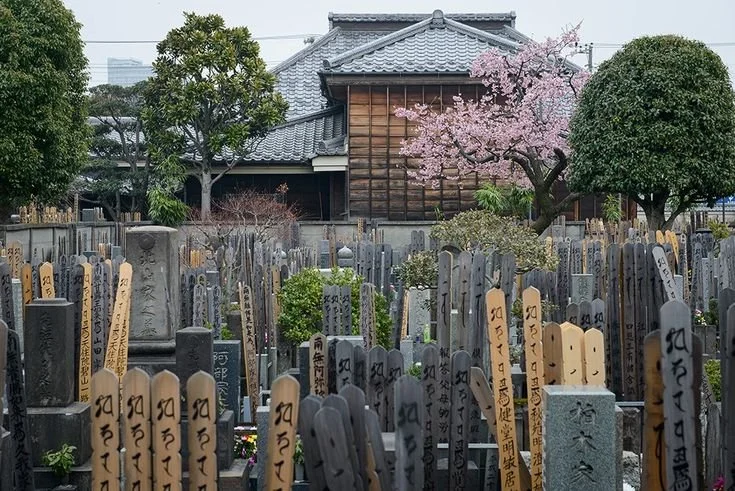
Credits: TokyoStreetView (Graves in Yanaka Cemetery with cherry blossom tree in the backgroun)

If you're planning a trip to Tokyo this April 2025 and looking for unique, peaceful spots away from the crowds, Yanaka Cemetery is a gem worth exploring. It offers not only a deep dive into Japanese history and culture but also a beautiful, quiet stroll—especially during cherry blossom season.


A Peaceful Escape in the Heart of the City

Located just a short walk from Nippori Station, Yanaka Cemetery is one of Tokyo’s largest and most scenic cemeteries. It’s more than just a resting place—it’s a peaceful park-like area with wide, tree-lined paths, perfect for slow strolls and quiet reflection.

In April, the cemetery transforms into a beautiful sakura spot. Cherry trees bloom along the main road, creating a soft pink canopy—ideal for photography and a peaceful hanami (flower-viewing) experience without the crowds.

A Walk Through History

Yanaka Cemetery is the final resting place of Tokugawa Yoshinobu, Japan’s last shogun, along with many other notable figures. As you walk through the grounds, you’ll notice traditional and modern gravestones, stone lanterns, and small offerings—giving insight into Japanese customs and deep respect for ancestors.

What to Do Nearby

After visiting the cemetery, stroll over to Yanaka Ginza, a nostalgic shopping street filled with local treats, handmade souvenirs, and a relaxed vibe. You can also explore nearby Tenno-ji Temple, known for its large Buddha statue and serene garden.

Tips for Your Visit

  • How to get there: Take the JR Yamanote Line to Nippori Station. The cemetery is a 3-5 minute walk from the South Exit.

  • Best time to visit: Early mornings or late afternoons in April for cooler weather and better light for photos.

  • Respect the site: It’s a public space, but also an active cemetery. Keep voices down and avoid stepping on graves.

  • Combine with a tour: Add this stop to your Tokyo private tour with Tokyo tour guide or create your own walking route around the historic Yanesen area (Yanaka, Nezu, Sendagi).


If you're looking to experience a different side of Tokyo—calm, reflective, and full of character—whether you are exploring on your own or with a tokyo tour guide, Yanaka Cemetery should be on your Tokyo things to do list for April 2025. It’s a peaceful break from the city’s high energy and a chance to connect with Tokyo’s rich cultural heritage.

Whether you're a history lover, a cherry blossom chaser, or someone who simply enjoys quiet walks, Yanaka Cemetery offers a truly special Tokyo experience.


Add Yanaka Cemetery to your Private Customised Tour of Tokyo with us!

Private Walking Tour
Private Car Tour
 

Connect with us!

HELLO! TOKYO TOURS | SPOTLIGHT ON: YASU

Spotlight on: Yasu

In this episode of Spotligh On, we meet Yasu, one of our private tour guide for Tokyo. We have asked Yasu some questions about some of his favorite things in Japan.


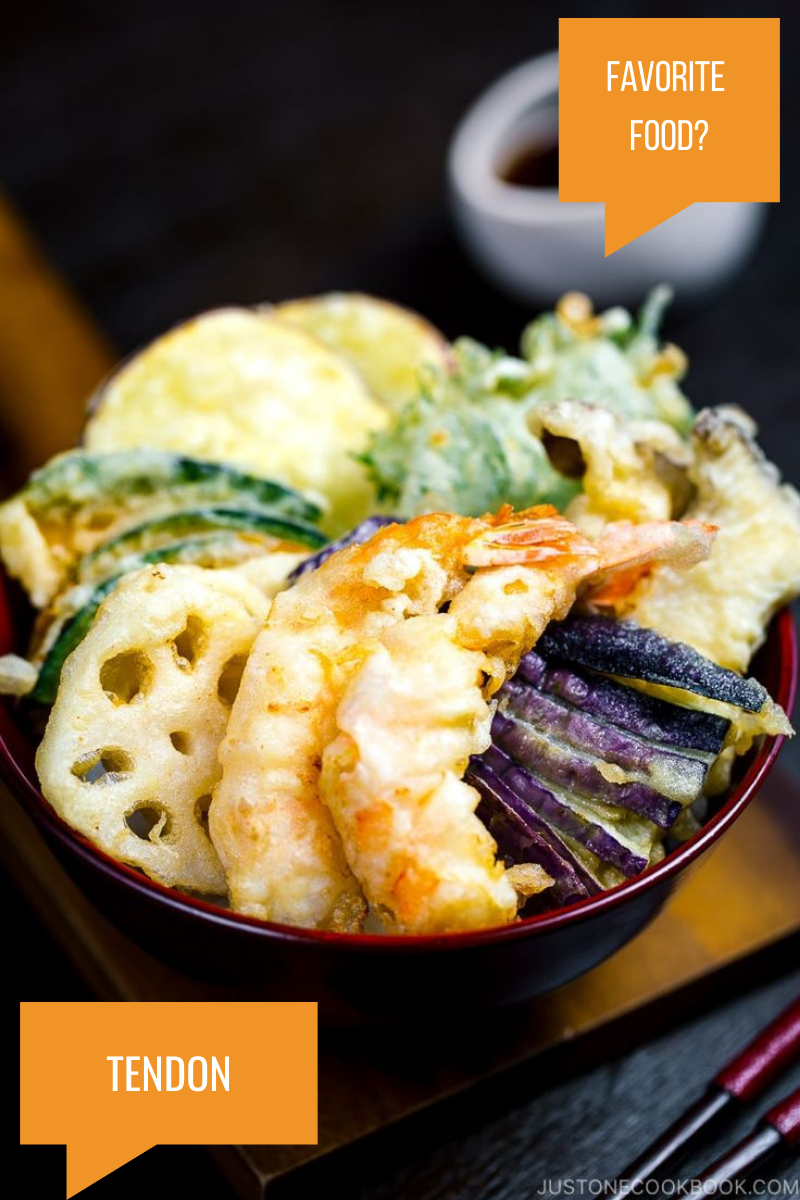
What's your favorite food and where would you recommend people to get it?

Tendon. I have always loved Shrimp Tempura over rice and it is extremely difficult to make it at home.

I recommend Daikokuya at Asakusa which was established in 1887.

Image credit: JUSTONECOOK.COM


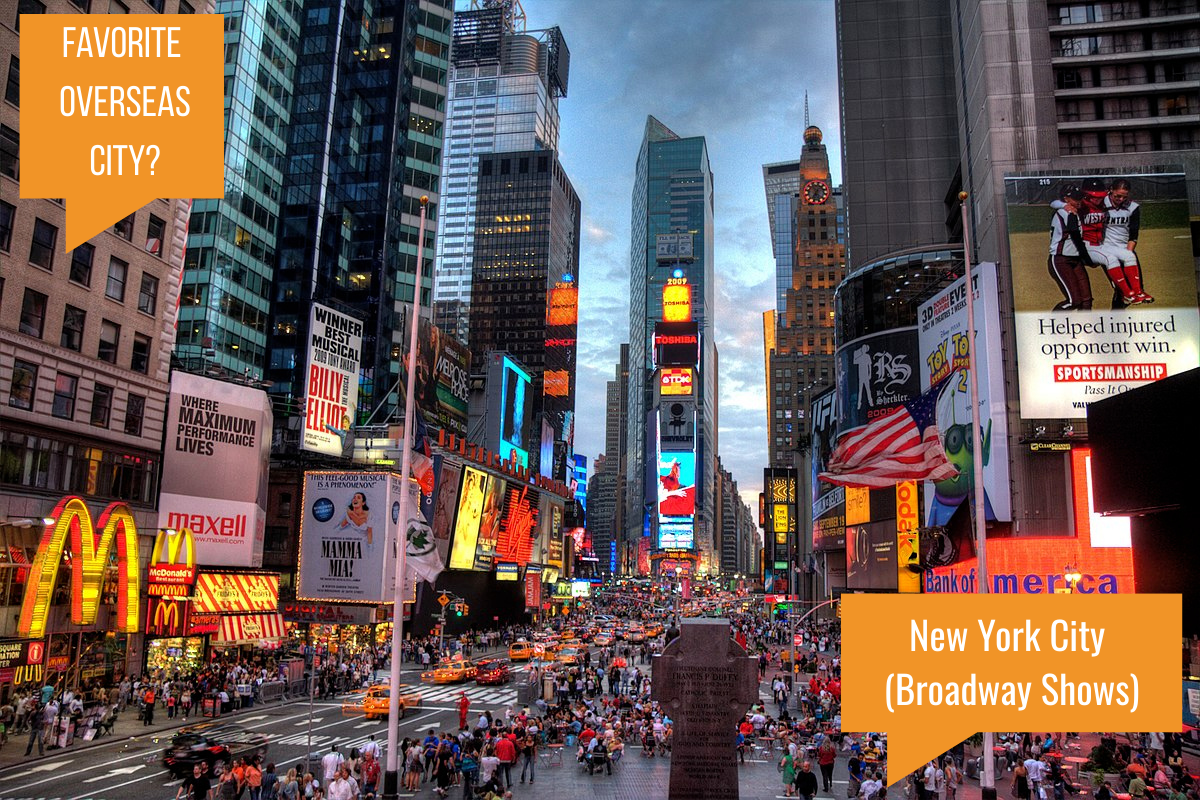
Image Credit: Wikipedia

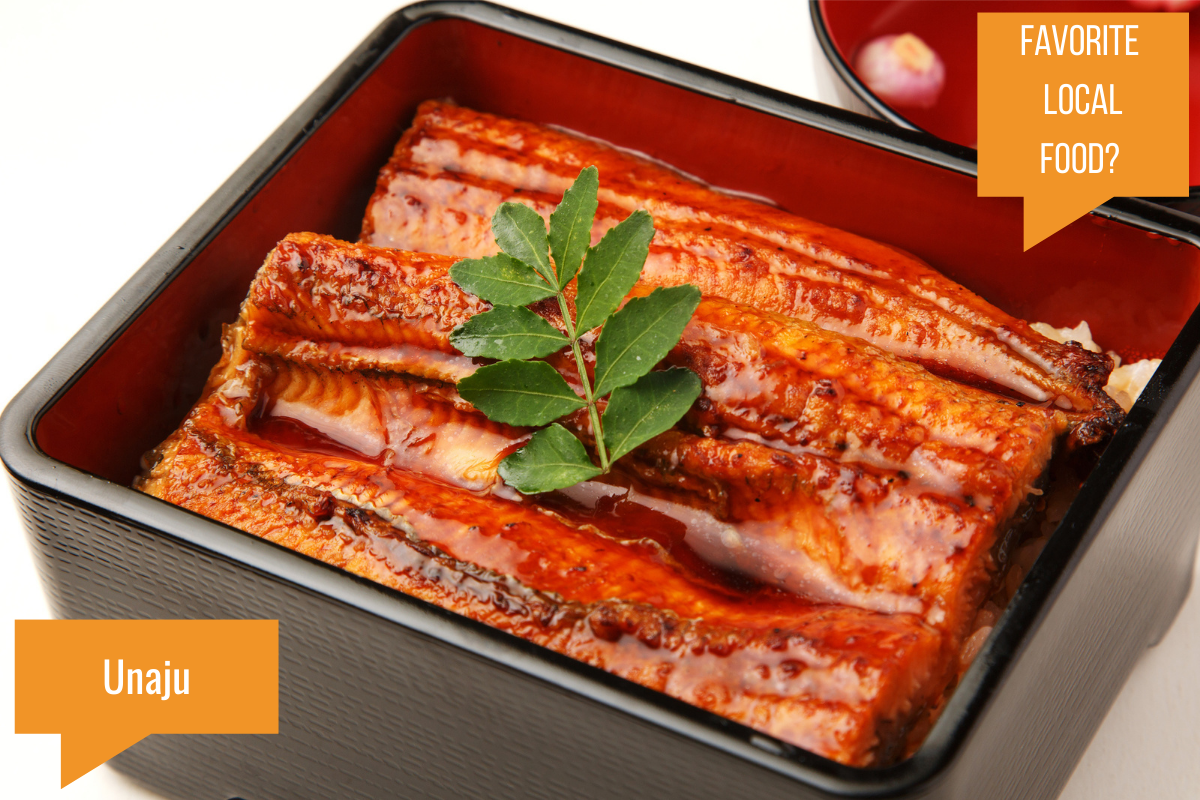
Image Credit: Magical Trip


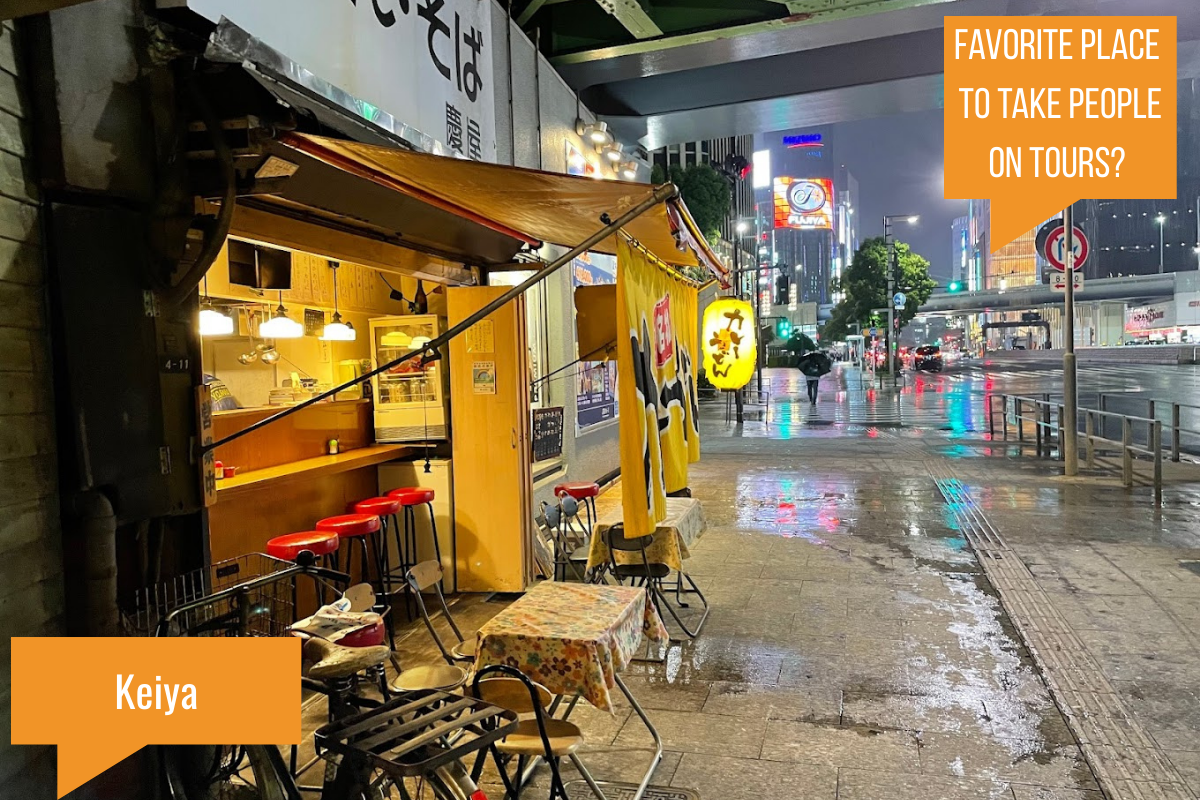
What’s your favorite place to take people to on tours?

Keiya. Mr.Kikuchi makes one of the best Curry Udon I ever had. He can even serve it cold too.

Image Credit: Y N

Other fun facts about Yasu

Languages Yasu guides in: English and Japanese

Month and year Yasu joined Hello! Tours: April 2024

One thing Yasu likes about working with Hello! Japan: Engaging conversation with the customers from all over the world.

Something not many people know about Yasu: I act on stage and I also have an original Christmas love song that is steaming all over the world.