

THREE DAY CAMPER VAN TRIP FROM TOKYO

Complete with places to sleep at, great food, relaxing and cheap hot springs, beautiful locations and many places to see and do, this 3 day trip is a one of a kind experience out of Tokyo. There are three spots to spend three nights - you can customize these spots to go at your own pace and needs or even drop some out of the itinerary completely - it’s all under your control. We will introduce to you three spots that you can visit and stay at night to park your car.

Hakone

At Hakone, one of the highlights of the area is Hakone Ropeway. The ropeway brings you up Mt. Hakone where you can visit the hellish valleys of Owakudani - an active volcano where sulfurous fumes are being expelled. On the way up, if the weather permits, you can catch a beautiful view of Mt. Fuji. Nearby at Hakone Yumoto, relax and soak in hot springs fueled by volcanic activity. Yuryo Hot Springs is a great place to soak in.

Bathe/ Eat: Hakone Yuryo Hot Springs

Sleep: Roadside Station Hakone Togo is a good spot to rest if tired before continuing on into Izu

Heda, Izu

This is a very small town that is one of our favorite places on the road trip. The deep-sea bay that the town overlooks is home to spider crabs which make for an excellent lunch. The harbour also features an excellent fish market on the ground floor. For Dinner check out Tagore Hostel. There is also an option to rent fishing rods and bikes to explore the town. There is a hot-spring too at the back of the town to refresh and renew.

Eat: Marusan – Seafood / Crab Restaurant on the Harbor 10am – 6pm

Cafe: Tagore Hostel, Excellent coffee and a great place to chill. 

Bathe: Road Station at the back of the town, Hot Springs closes at 8pm

Sleep: Heda Road Station or the lookout point overlooking the bay

Unique stop: The Old Bus is an old bus converted into a bar that has a stunning view of Mt. Fuji.

Mt. Fuji, Lake Saiko

A very popular spot for visitors, you can drive the van on to the bank of the lake in a few designated spaces. It’s possible to sleep there in your vans and it’s worth having a drive around to look for your perfect spot to settle down for a nice evening by the lake. If you want to set up camp properly - such as making a fire and grilling out – there are several paid campsites around the lake which you can book. Some Japanese may be required, but let our team know and we’ll get a reservation sorted out for you!

There are a few interesting spots to visit in the area such as an ancient village, a bat cave and an ice cave in winter. Open google maps in the area and you will see the spots.  

Eat/ Bathe/ Sleep: Fuji Yurari Hot Spring is a wonderful Hot Spring nearby with great hot springs, good food and a car-park to park your van to sleep for the night.

Sleep: Near the lake, (wild camp) or  Roadside Station Katsuyama Rest Area. Food also available until 5pm – located at the next lake over.

tours-to-mt-fuji.jpg
Green Tea Ceremony

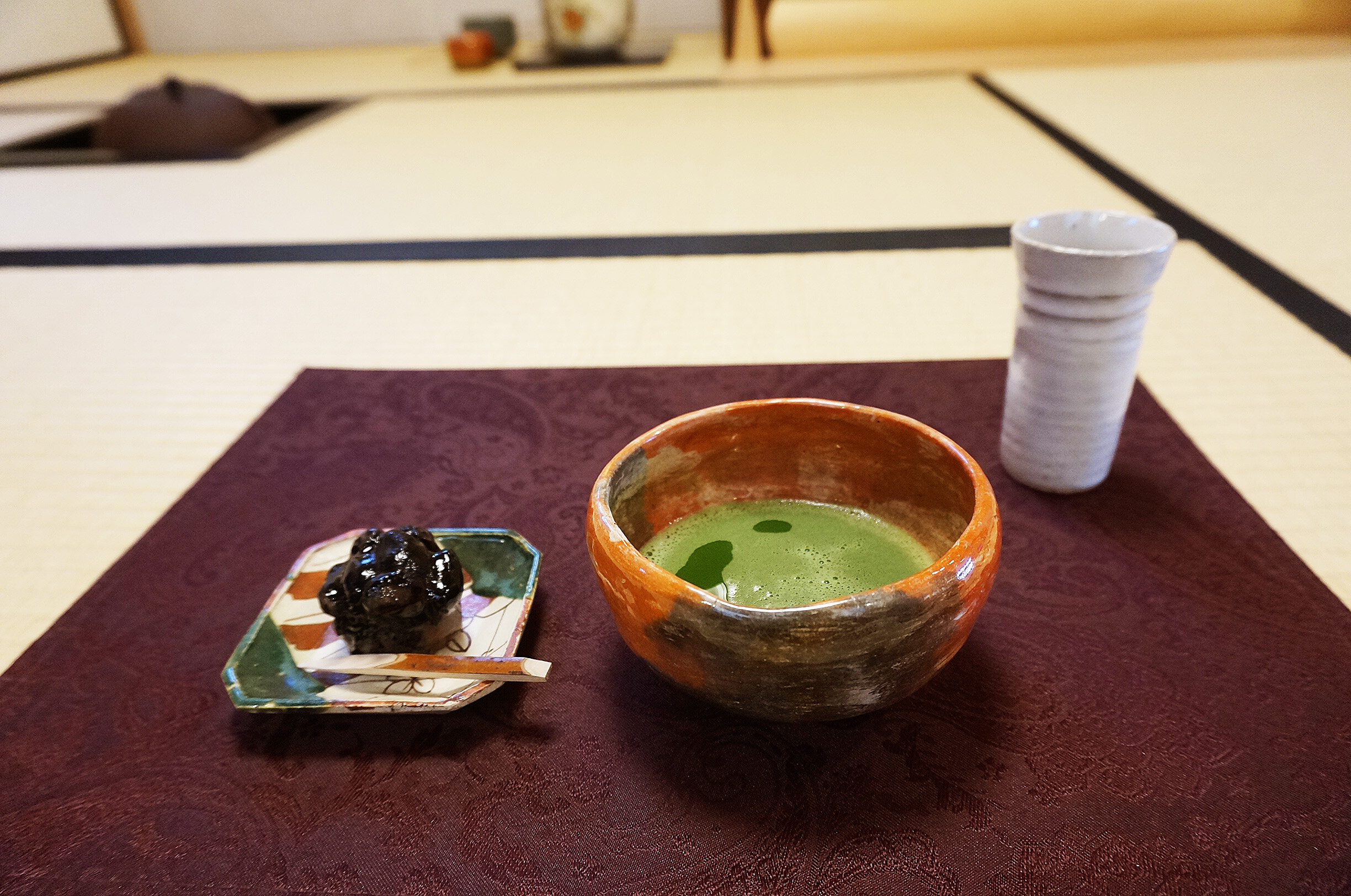
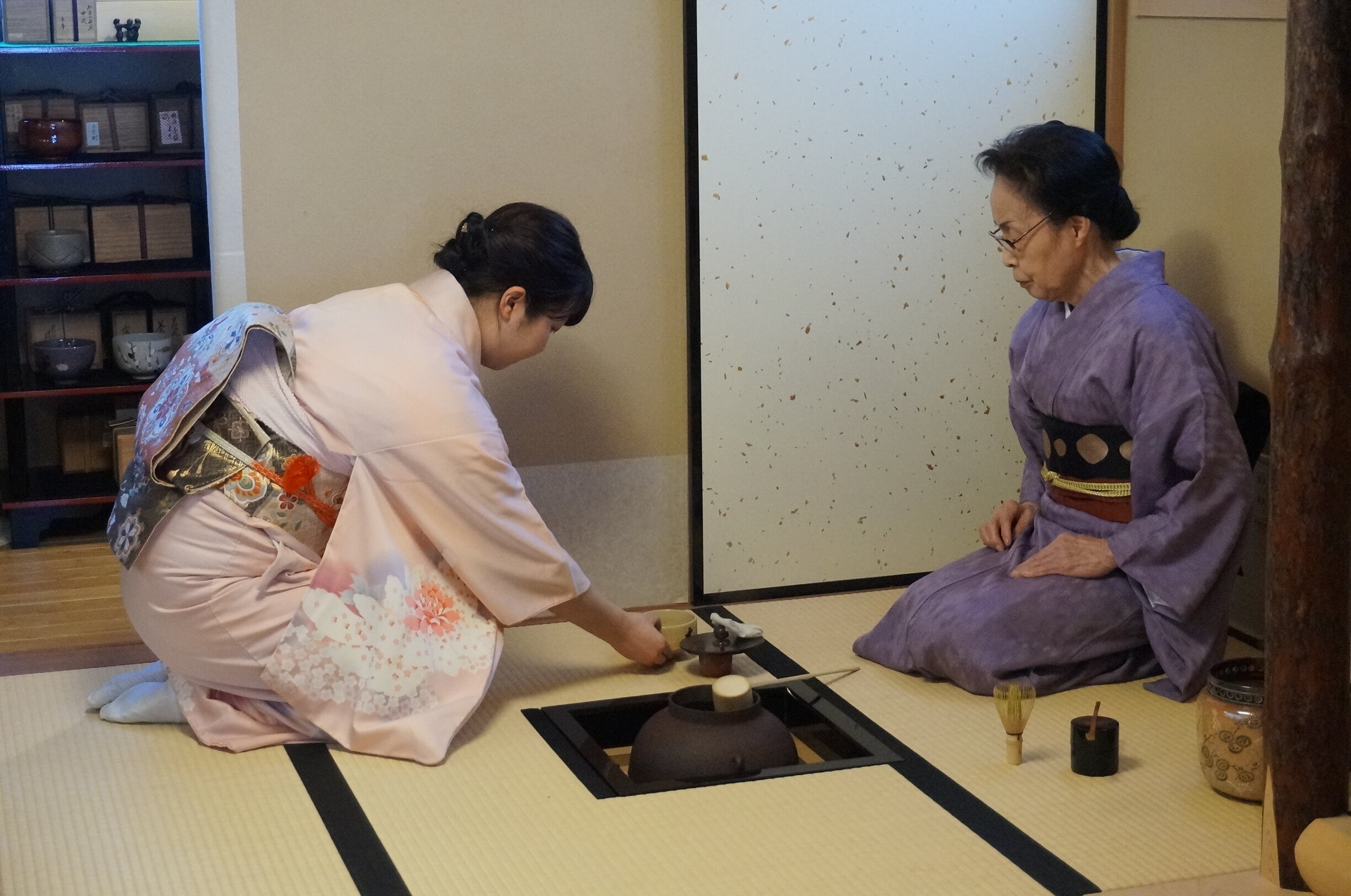
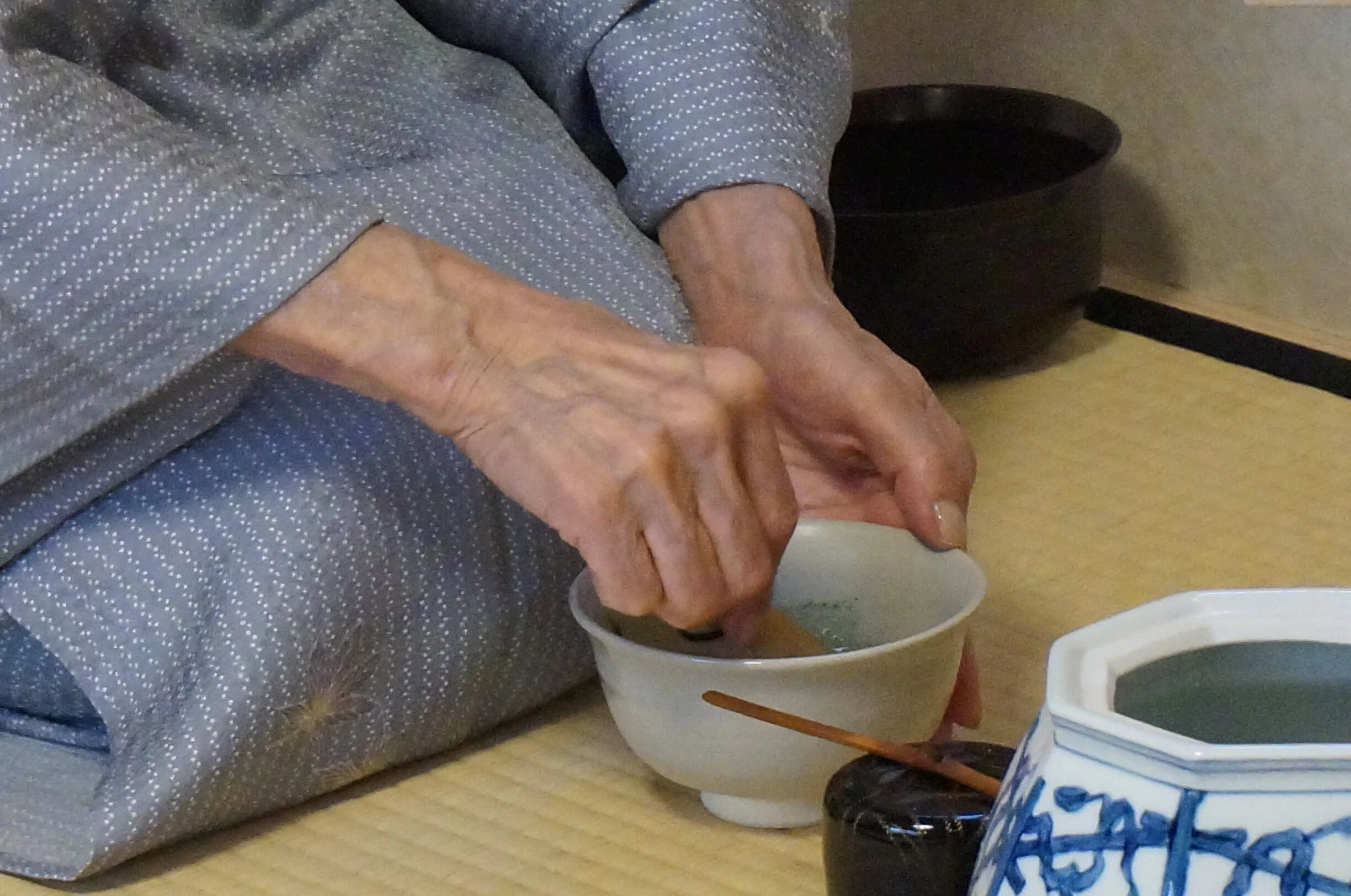
Experience a traditional green tea ceremony with us on a private tour in Tokyo. Partnering with our local green tea experts over at Gallery Okubo, you’ll have the chance to enjoy freshly whipped-up green tea with their house-made traditional Japanese sweets. The green tea is prepared right in front of you in a traditional Japanese tatami matted room.

*You will not need to sit on the floor (tatami mats) - chairs are provided around the mat so you can sit comfortably in a uniquely styled room

Photo Credit: Gallery Okubo

Photo Credit: Gallery Okubo

Availability: Wednesday to Sunday between 11 am and 5 pm (closed on Monday and Tuesday).

Overview: This 30-45 minute traditional Green Tea Ceremony is an opportunity to engage in Japanese culture. You will choose your own antique tea cup and learn about its history, then witness fresh green tea being whipped up in a traditional manner.

Group Size: Maximum of 7 people in a class. Minimum of 1.

Duration: 30-45 minutes

Price: Groups of 1 or 2 people US$60. Groups of 3 or more people US$30 per person.

Inclusions: Traditional tea ceremony, Matcha (green tea) and Wagashi (traditional Japanese sweets).

Location: This experience is in the Yanka district of Tokyo. If you include this experience in your tour we will also show you around Yanka - it is one of our favorite areas of Tokyo! More information on Yanaka can be found here.

This can be booked as an add-on (extra) to a private customized tour. Please select this ‘extra’ during the check-out when booking your tour.

KAMAKURA ITINERARY

Visiting Kamakura is a full day trip out of Tokyo that’s worth every second of it. It’s often dubbed as the Kyoto of eastern Japan because of its history, cultures and concentration of historical sites, temples and shrines. If you’re looking for a guide to Kamakura, we have a full day itinerary ready for you. This is not the perfect itinerary and you can easily switch out certain spots for places that you wish to visit on your own. The places we list in our recommended route are also separate blog posts with more detailed info under the same Kamakura Section. There are many other places not listed in our itinerary that we believe are great places to visit as well!

Before going to Kamakura

Kamakura is an hour away from Tokyo by train. To spend a full day at Kamakura comfortably, we recommend arriving early in the morning around 8 or 9am. Around the area, transportation is limited compared to Tokyo. After arriving your main modes of transportation will be by walking, bus or the Enoden train. There will be a lot of walking so wear comfortable shoes!

Getting to Kamakura

To get to Kamakura Station there is a direct one way ticket from Tokyo Station to Kamakura Station (roughly 1 hr) on the JR Yokosuka Line for 920 Yen. If you are on the west side of Tokyo, you can go from Shinjuku Station to Kamakura Station on the Shonan-Shinjuku Line for 920 Yen as well (1 hr as well). Just make sure to catch the direct train to Kamakura or you will have to transfer once at Ofuna Station (additional 10 minutes).

The trip

  • After arriving at Kamakura Station, you can grab some breakfast on Komachi Dori Street. There are some cafes and bakeries open in the morning for breakfast. Make sure to eat and drink to get energized for the long day ahead!

  • After getting some food, head on over to Tsurugaoka Hachimangu Shrine or the Hokokuji Temple. This part of the itinerary you can choose the order of which to visit first. Tsurugaoka Hachimangu Shrine is the most important shrine in Kamakura and is directly connected to Komachi Dori. It takes about 10-15 minutes from Kamakura Station by walking through Komachi Dori. Or from Kamakura Station, after eating on Komachi dori, you can take a bus bound for Jomyoji, where it will take you directly to Hokokuji Temple - the temple famous for its beautiful bamboo forest.

  • After visiting the beautiful temples and shrines, head back to Komachi Dori for lunch. You will notice there will be a lot of places that sell shirasu dishes. Shirasu is a small white juvenile fish that is eaten boiled, dried or raw. Shirasu-donburi is a famous dish from Kamakura that is worth trying! It’s shirasu over white rice.

  • After re-energizing for lunch, head back to Kamakura Station. You can now head over to the Hase area for the second half of your day. At Kamakura Station get on the Enoden Train. The Enoden train is a famous train that runs a long the coastline. Get off at Hase Station.

  • Around the Hase area you can visit Hasedera Temple and Kamakuras main attraction - Kotoku-in and the Great Buddha. At Kotoku-in you will find a giant Great Buddha Statue that has been there since the 13th century.

  • From here you have two options. If you’re tired, head back to Kamakura Station and explore the areas shops and souvenir stores. You can also go to the beaches nearby as the beaches in Kamakura are quite popular - particularly Yuigahama beach.

  • Or if you have some extra time and energy left, we recommend visiting Enoshima Island. Enoshima Island can be accessed on the Enoden train as well. It’s the opposite way from Kamakura, towards Fujisawa. Get off at Enoshima Station and from the station you can walk 20 minutes to the island (it’s connected by a bridge) or catch a bus. Enoshima is a beautiful island with a shrine over looking the island, a park, an observation tower and beautiful caves to explore. You can relax by the rocky shores of the island and on a nice day even see Mt. Fuji. It’s definitely worth checking out if you have time and energy left!

    Getting Back to Tokyo

    If you went to Enoshima Island, get back on the Enoden train and head for Fujisawa station. From Fujisawa Station, you can take the train back to Tokyo Station on the Tokaido Line (45 minutes). If you didnt go to Enoshima Island and stopped at Hase Station, then head back to Kamakura station on the Enoden train and go back exactly the way you came from.

    Places not mentioned but recommended

  • Hiking trails around the area

  • Engakuji Temple

  • Kenchoji Temple and their beautiful garden

  • Inamuragasaki Beaches

  • Zeniarai Benten Shrine to wash your money

Photo Credit: Kamakura City Website

Photo Credit: Japan Guide

 
KOMACHI DORI

Kamakura Komachi-dori Street is a peculiar strip of modernity in the center of an ancient city, where trendy boutiques, gourmet cuisine, and a timeless ambiance rub shoulders.

With humble beginnings as a modest street market centuries ago, the area has transformed into a symphony of shopping and commerce.

You can find everything from boutique fashion stores to souvenir gift shops along Komachi-dori, and when the bags get heavy and your feet tired, there are countless cafes, restaurants, cake shops, and bakeries.

Many of the restaurants serve whitebait, a local delicacy known as shirasu. Every conceivable method of preparation and presentation has been considered and tried, so whether you want to try it raw, with noodles, on a pizza, or on top of a rice bowl, there will be a place that caters to your appetite. Sweets and snacks are a big draw, particularly candied bean sweets and cookies.

Upon arriving to Kamakura Station, grab breakfast here or grab lunch before heading over to the Hase region for your other half of the day.

Partial Summary Credit: Japan Travel

Notable shops to visit:

  • Iwata Coffee: Opened in 1948 it was a favorite cafe for famous Japanese Nobel Laureate winner Yasunari Kawabata and even John Lennon.

  • Kamakura Chacha: a famous green tea sweets store that’s popular among locals

  • Goro Kamakura: a famous Japanese confectionery store

Photo Credit: Japan Guide

Photo Credit: Kamakura City Website

Address: 8, 小町 Kamakura, Kanagawa 248-0006

Hours: Depends on stores. Some open for breakfast, most open for lunch and dinner.

Website: https://www.city.kamakura.kanagawa.jp/visitkamakura/en/index.html

How to get there: A 5 minute walk from Kamakura Station East Exit.

 
TSURUGAOKA HACHIMAN-GU

Tsurugaoka Hachimangu (鶴岡八幡宮, Tsurugaoka Hachimangū) is Kamakura's most important shrine. It was founded by Minamoto Yoriyoshi in 1063, and enlarged and moved to its current site in 1180 by Minamoto Yoritomo, the founder and first shogun of the Kamakura government.

The shrine is dedicated to Hachiman, the patron god of the Minamoto family and of the samurai in general. The deified spirits of the ancient Emperor Ojin who has been identified with Hachiman, Hime-gami and Empress Jingu are enshrined at Tsurugaoka Hachimangu Shrine.

The shrine is reached via a long, wide approach that leads from Kamakura's waterfront through the entire city center, with multiple torii gates along the way. The main hall (Hongu or Jogu) stands on a terrace at the top of a wide stairway. The main hall includes a small shrine museum, which displays various treasures owned by the shrine, such as swords, masks and documents.

To the left of the stairway stood until 2010 a large ginkgo tree, which predated the shrine, and was once used as a hideout in an ambush attack on a shogun. Every autumn, the tree turned beautifully golden, but it did not survive a winter storm in March 2010. At the base of the stairway stands the Maiden, a stage for dance and music performances. Other structures on the shrine grounds include the Wakamiya Shrine, a secondary shrine to the right of the stairway and various auxiliary buildings.

Summary Credit: Japan Guide

Photo Credit: Pinterest

Photo Credit: Japan Guide

Address: 2 Chome-1-31 Yukinoshita, Kamakura, Kanagawa 248-8588

Hours: 8am - 8:30pm

Website: http://www.tsurugaoka-hachimangu.jp/

How to get there: A 10 minute walk from Kamakura Station via Dankazura Street or through the main shopping street of Komachi Dori.

 
HOKOKUJI TEMPLE

This small temple hidden away in the hills of Kamakura, is a part of the Rinzai Sect of Zen Buddhism. Upon arrival, it may seem rather unassuming at first. There is a small garden and a gate that leads a path to the main hall of the temple where a historic statue of Buddha sits - the main object of worship. However, the temple is best known for its bamboo grove tucked away in the back of the main hall. Over 2000 bamboo stalks tower over the temple - a truly mesmerizing sight. A narrow path in the grove leads to small tea house, and for a fee, you can enjoy a cup of matcha while looking out to the bamboos.

Photo Credit: Pintrest

Photo Credit: Pinterest

Address: 2 Chome-7-4 Jomyoji, Kamakura, Kanagawa 248-0003

Hours: 9am - 4pm

Website: https://houkokuji.or.jp/?page_id=215

How to get there: A 10 minute bus ride from Kamakura Station (or 20 minute walk). Take bus headed for Jomyoji Bus stop.

 
ENODEN TRAIN

Enoden Line [江ノ電] is the most useful transportation that links Fujisawa [藤沢] and historical city Kamakura [鎌倉] via Enoshima. Most of major tourist spots in the area are located along the line.
It is known for variegated landscape and keeping atmosphere of nostalgic railway, among 15 stations on 10km, 30minutes trip.

This tiny railway in Japan is also known for appearing on many TV drama, movie, anime and manga works very often.
It is sure that riding on the train will become one of highlight for trip to the area.

You will take this train from Kamakura to get to the Great Buddha, Hasedera and Enoshima.

Partial Summary Credit: Travel Enoshima Website

Photo credit: Wikipedia

Photo credit: Enoden Website

Address: N/A

Hours: 5am - 12am

Website: https://www.enoden.co.jp/en/train/

How to get there: The Enoden train runs from Kamakura to Fujisawa.

 
HASEDERA (HASE TEMPLE)

Around 1300 years ago, two sculptors carved two Kannon statues out of a sacred tree. One of them was enshrined here at Hasedera in Kamakura. It is commonly called “Eleven-headed Kannon” since it has eleven heads on top of its own head. It measures 9.18 meters tall and this makes it one of the largest wooden Buddhist statues in Japan.
Hesedera temple resides on a mountain called “Kannon-zan”. The ground holds a large variety of flowers which bloom throughout the year welcoming visitors. Additionally, the scenic view from the observation platform on the upper ground is recognized as one of the most picturesque spots in Kamakura.

Partial Summary Credit: Hasedera Website

Photo credit: Wikipedia

Photo credit: Wikipedia

Address: 3 Chome-11-2 Hase, Kamakura, Kanagawa 248-0016

Hours: 8am - 5pm

Website: https://www.hasedera.jp/en/

How to get there: A 6 minute walk from Hase Station on the Enoden Line.

 
KOTOKU-IN AND THE GREAT BUDDHA

This is quite possibly the main attraction for all of Kamakura and the symbol of that area.

The Great Buddha

The statue commonly known as Kamakura Daibutsu (Great Buddha of Kamakura), a colossal copper image of Amida-butsu (Amitabha Buddha), is the principle image of Kotoku-in. The fact that it sits in the open air makes it unusual amongst large Buddha statues in Japan. The Great Buddha, designated a National Treasure by the Japanese government, is some 11.3 meters tall and weighs around 121 tons. Though in size it falls short of the Great Buddha of Todai-ji Temple at Nara (an image of Rushana-butsu [Vairochana Buddha]), it essentially retains its original form; as such it is an invaluable example of Japanese historical Buddhist art.
According to the Azumakagami, a chronicle describing the achievements of the Kamakura Shogunate from the late 12th century through the mid-13th century, construction of the Great Buddha began in 1252. It is also believed that the priest Joko gathered donations from the people to build it. However, much remains unclear about the specifics of the Great Buddha’s construction, and the artist has yet to be identified.

Kotoku-In

Kotoku-in (officially known as Daii-san Kotoku-in Shojosen-ji) belongs to the Jodo Sect, a traditional Buddhist sect founded by the priest Honen (1133–1212). Honen was a devotee of Amitabha, Buddha of the Western Pure Land. It is believed that the original vow of Amitabha Buddha is to liberate all beings, irrespective of sex, age or social standing, regardless of whether the individual has engaged in good or evil deeds in their lives. According to the Jodo Sect belief system, one only needs to chant the nenbutsu* to receive the protection of Amitabha and be reborn in his Pure Land. This is the teaching of the Jodo Sect as taught by Honen.

Partial Summary Credit: Kotoku-In Website

Photo credit: Gaijin Pot Travel

Photo credit: Gaijin Pot Travel

Address: 4 Chome-2-28 Hase, Kamakura, Kanagawa 248-0016

Hours: 8am - 5pm

Website: https://www.kotoku-in.jp/en/

How to get there: A 6 minute walk from Hase Station on the Enoden Line.

 
YUIGAHAMA BEACH

Kamakura is home to several sand beaches, which are popular getaways for those who want to escape the nearby cities of Tokyo and Yokohama for some sunbathing, swimming and surfing. The official beach season in Kamakura lasts from July to August.

Located adjacent to each other, Yuigahama and Zaimokuza are Kamakura's two most popular beaches due to their convenient location and good facilities. As a result, both get very crowded during the summer season. The two beaches collectively span about one kilometer of coastline, providing a lot of space for sunbathing and swimming. Beach huts and rental shops are open during the season and provide visitors with shade, changing and shower rooms, food and drinks.

Photo Credit: Japan Guide

Photo Credit: Japan Guide

Address: Yuigahama, Kamakura, Kanagawa 248-0014

Hours: N/A

Website: https://www.city.kamakura.kanagawa.jp/visitkamakura/en/index.html

How to get there: A 5 minute walk from Yuigahama Station on the Enoden Line.