

HELLO! TOKYO TOURS TOP PICK | MORI Building DIGITAL ART MUSEUM: teamLAB borderless

This digital art museum is one of a kind exhibition that features a 10,000 square meter venue with over 500 computers and 400 projectors to make an immersive art experience. There are many different rooms and sections in this venue that seem “borderless” - as the name suggests, which features constant moving dynamic art. Due to it’s constant changing art, this museum never remains the same. Going into the museum twice or the same room twice will give you a new set of experiences. It’s a one of a kind museum that will mesmerize you!

Entrance fee: 3200 Yen for adults, 1000 Yen for children

tokyo-things-to-do-teamlab-borderless.jpg

Address: Odaiba Palette Town 2F, 1-3-8 Aomi, Koto-ku, Tokyo, Japan

Hours: Weekdays, 10:00am - 7:00pm

Weekends and holidays, 10:00am - 9:00pm

Tel: N/A

Website: https://borderless.teamlab.art/

How to get there: A 3 minute walk from Aomi Station on the Yurikamome Line. A 5 minute walk from the Tokyo Teleport Station on the Rinkai Line.

Video credit to teamLAB

 
GINZA

Chuo-ku, Tokyo

Take a stroll through this lavish, downtown district for luxury brand shopping, fine dining and traditional Japanese stores. Ginza, which also incorporates the Yurakucho area, is one of the busiest shopping districts in Tokyo. Home to many department stores such as the famous Mitsukoshi Department store which has been around since 1673 and the modern Ginza Six, you’ll find yourself looking at over hundreds of shops in this district alone.

While you’re in the area, be sure to check out the following:

  • Mitsukoshi Department store, Matsuya and Ginza Six

  • The massive Tsukiji fish market nearby

  • A walk down Chuo Dori

Photo Credit: Tsunagu Japan

Photo Credit: Tsunagu Japan

How to get there

The Ginza Station can be accessed on the Tokyo Metro Hibiya, Ginza and Marunouchi Line.

 
MUSEUM OF CONTEMPORARY ART

Opening up in 1995, the Museum of Contemporary Art was built to preserve, display and study modern art. They have a primary focus on post-war Japanese art, but still encompass large works from abroad as well. Prior to the opening of this museum, there had been no official institution that inclusively dealt with the collection of contemporary art in Tokyo. Now, the museum has inherited over 3000 art pieces and over 50,000 rare book materials to be seen.

Entrance fee:

Changes depending on exhibition.

MOT collection: 500 yen for adults, 400 yen for students, 250 yen for high school students and seniors, free for junior high and under.

Photo Credit: Chris Rowe blog

Photo Credit: Wikipedia

Address: 4 Chome-1-1 Miyoshi, Koto City, Tokyo 135-0022

Hours: Closed Mondays and holidays, 10:00am - 6:00pm

*If Monday is a holiday then it is open and closed the next day

Tel: +81-3-5245-4111

Website: https://www.mot-art-museum.jp/en/

How to get there: A 9 minute walk from Kiyosumi-Shirakawa Station on the Hanzomon Line. Follow signs for exit B2.

 
THE MUSEUM OF THE IMPERIAL COLLECTIONS (SANNOMARU SHOZOKAN)

Discover the Imperial families extensive collection of art with over thousands of works from various artists. Located right in the Imperial Palaces East Garden, you can see a variety of art styles such as calligraphy and Nihonga-style art from ancient Japan and China. This private collection was donated by the Imperial household in 1989 - the start of the Heisei era.

Entrance fee: free

Photo Credit: Unsplash

Photo Credit: Chris Rowe blog

Address: East Gardens of the Imperial Palace, 1-1 Chiyoda, Chiyoda City, Tokyo 〒100-0100

Hours: Closed Monday, Friday and holidays, 9:00am - 3:45pm

Tel: 03-3213-1111

Website: https://www.kunaicho.go.jp/e-event/sannomaru02.html

How to get there: The museum is located in the East Gardens of the Imperial Palace. It is closest via the Ote-mon Gate. From Otemachi Station it is about a 3 minute walk.

 
NIHONBASHI

TOKYO TOURS | SHOPPING IN NIHONBASHI

Chuo-ku, Tokyo

Nihonbashi literally means Japan Bridge and gets its name from the bridge in the area that acted as a zero kilometre marker for Japans national highway since the 1600s. Considered to be the “center” of Japan, it acts as a financial district for Tokyo but is also rooted in rich history and tradition. Much of the shops in the area have been in business for over 300 years! This classy, high-end district is a unique place to shop for old-traditional goods and foods. Ask your guide on a Tokyo tours for more.

While you’re in the area, be sure to check out the following:

  • Mitsukoshi department store that has been around since 1673

  • Coredo department store that holds many shops inside that’s been around for over 200-300 years.

  • Bank of Japan and the Tokyo Stock Exchange

Photo Credit: UnsplashJoin our Tokyo tours for a special day in Nihonbashi

Photo Credit: Unsplash

Join our Tokyo tours for a special day in Nihonbashi

How to get there

Nihonbashi can be accessed right from the Nihonbashi Station on the Tokyo Metro Ginza and Asakusa Line or directly outside the Mitsukoshi-mae Station on the Ginza Line.

 
SHIBUYA

TOKYO GUIDE TO SHOPPING: SHIBUYA

Shibuya-ku, Tokyo

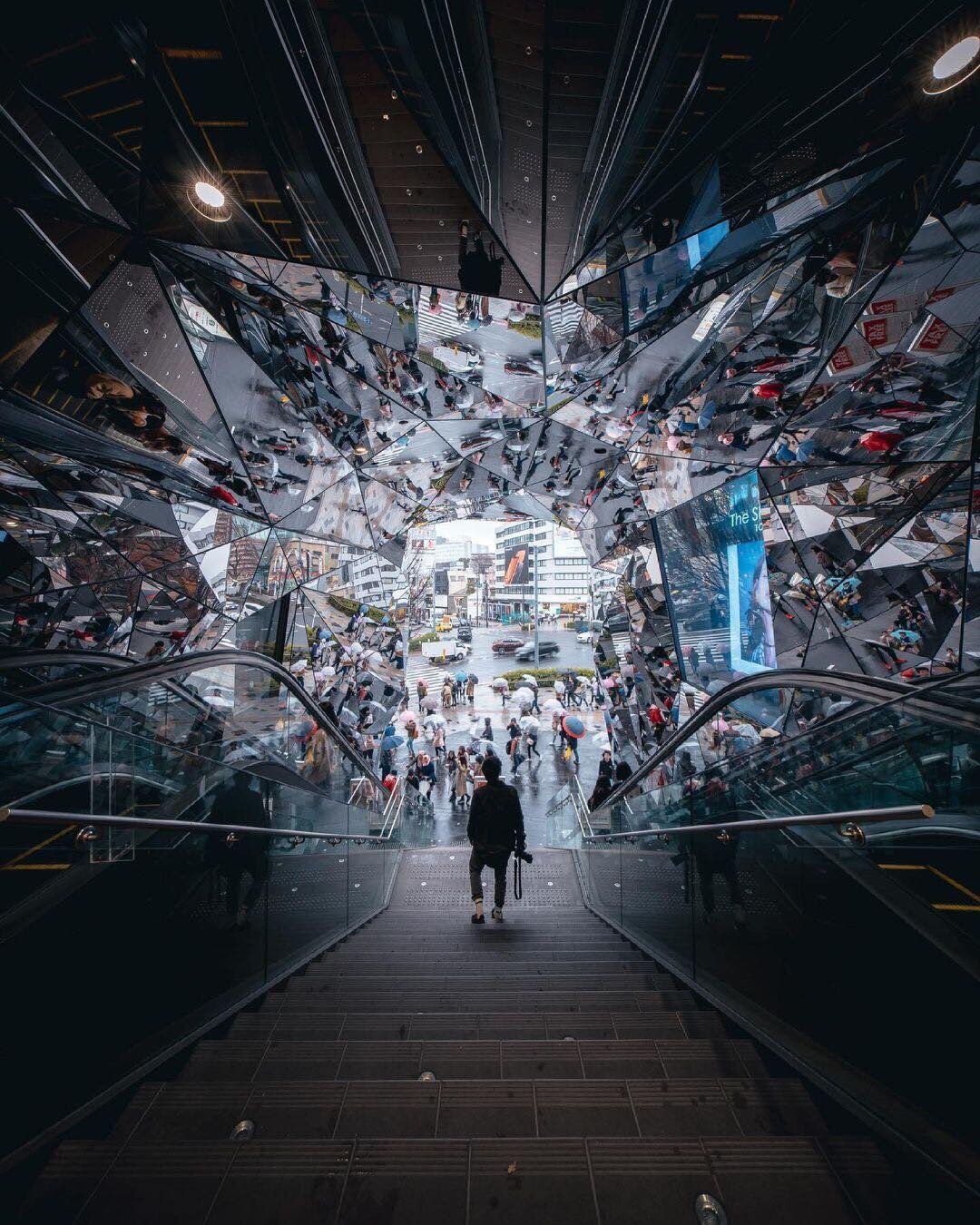
Shibuya is one of Tokyo’s most famous and popular destinations to visit. It proudly holds the Shibuya Crossing, Center Gai and Dogenzaka as popular tourist destinations. If Tokyo’s cities were a family, Omotesando and Aoyama would be the Dad and Mom, Harajuku the daughter and Shibuya the son. They all have similarities in being a fashion destination of Tokyo. This lively area is the youth soul of Tokyo. Shibuya would be your one stop destination to shop for anything ranging from fashion items, cosmetics, souvenirs, anime/manga goods, household products and much more.

While you’re in the area, be sure to check out the following:

  • The Creative Life store Tokyu Hands and Loft

  • Shibuya Scramble Square with over 200 shops/restaurants with a beautiful view on their viewing deck

  • Shibuya Mega Don Quijote: one of the biggest, most popular discount stores

  • Shibuya 109 that holds over 100 shops of the newest, trendiest fashion.

Photo Credit: JW Web Magazine

Photo Credit: Japan Guide

How to get there

Shibuya area is located directly outside the Shibuya Station. The Shibuya Station is connected with many lines such as the JR Yamanote Line, JR Saikyo Line, Tokyu Toyoko and Den-En-Toshi Lines, Tokyo Metro Ginza and Hanzomon Lines and the Keio Inokashira Line.

 
MINATO MIRAI 21

Nishi-ku, Yokohama

Located on the waterfront in Yokohama, this modern shopping district has lots to see, eat and do. Developed in the 1980s, it was planned to become a central district for activities, commerce and tourism. The Minato Mirai line runs through this entire district with Minato Mirai Station being the center middle link. This area is filled with loads of places to shop such as the historic Yokohama Red Brick Warehouse from the earl 1900s, the largest Chinatown in Japan and the massive Queens Square shopping complex. Aside from shopping, Minato Mirai offers night time illusions, a mini theme park, countless museums, boat rides and stunning bay side views.

While you’re in the area, be sure to check out the following:

  • Shopping areas such as Yokohama Red Brick Warehouse, Queens Square and Chinatown

  • Unique museums which include the Cup Noodle Museum, Hikawa Maru floating museum, the Bluff Houses and the Maritime Museum

  • Cosmo World to hop on the giant Ferris wheel for a spectacular view of the city

  • The Landmark Tower for a view at the top and fine dining

Photo Credit: JW Web Magazine

Photo Credit: Japan Guide

How to get there

Minato Mirai Station is accessible on the Minato Mirai Line, just two stops from Yokohama Station. If you are coming in on the bullet train through Shin-Yokohama Station it’s just a short twenty minute ride on the Blue Line and Minato Mirai Line. Coming in from Tokyo you can get to Yokohama Station from Shibuya on the Tokyu Toyoko Line. From Shinjuku it’s about 20 minutes on the JR Shonan Shinjuku Line.

 
AKIHABARA

Taito-ku, Tokyo

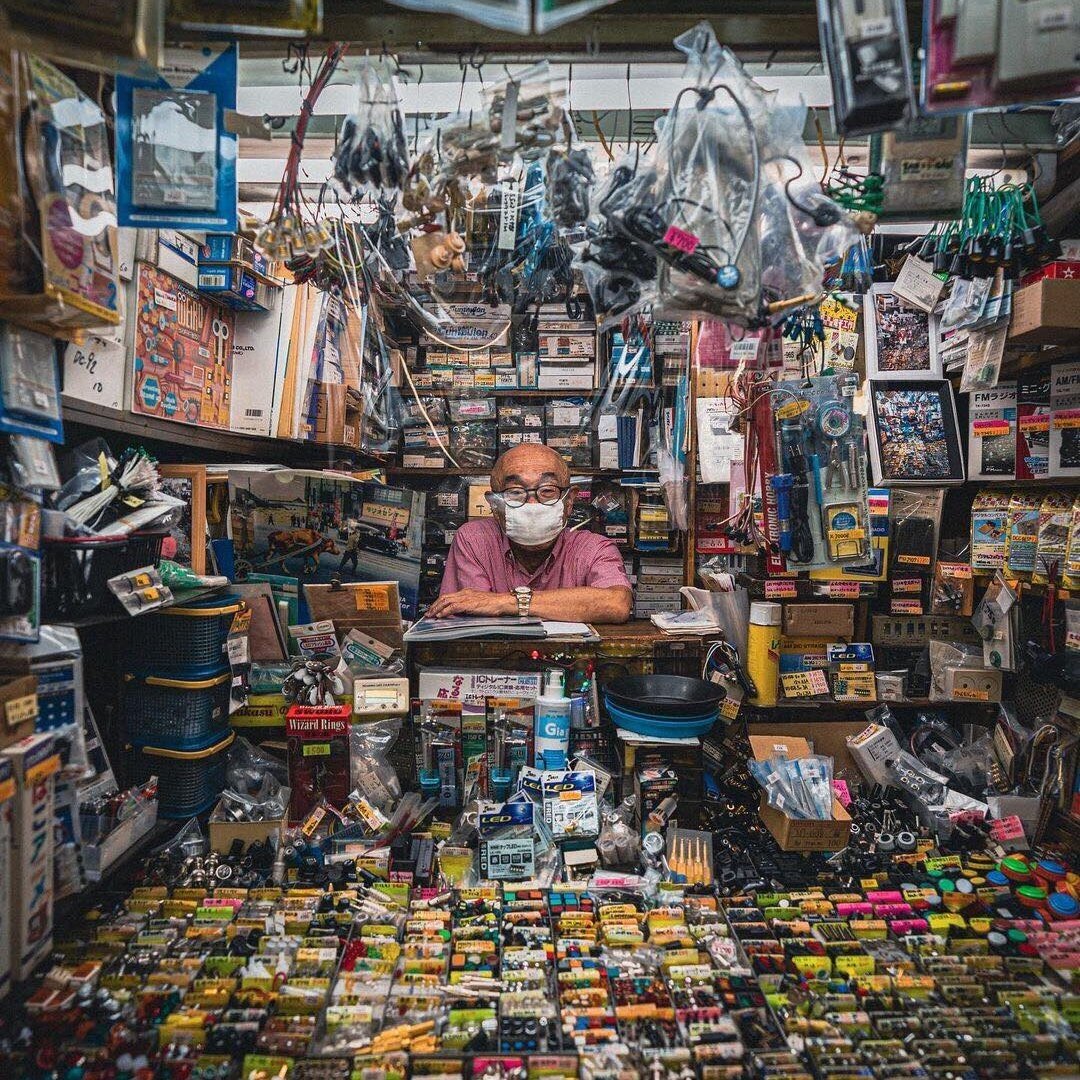
Akihabara, also known as electric town is famous for it’s electronic shops and otaku (die-hard fans) goods. Stroll down the main road to absorb it’s unique culture. Akihabara used to be the epicenter of household electronics for Japan when it started selling electronic parts in the local black market after World War II. In the 1990s, Akihabara shifted more towards computers and computer parts attracting a new crowd of people - otakus. Otakus are basically geeks who are die hard fans of anime, manga and video games. This has brought a long more cultures such as J-pop groups and a maid cafe culture. This unique mix makes for a fun and different perspective of Japan.

While you’re in the area, be sure to check out the following:

  • Major electronic stores like Sofmap, Yodobashi Camera, Laox and Yamada Denki

  • All the maid cafes for a kawaii experience

  • Themed cafes such as the Gundam Cafe

  • Nostalgic throwback for retro gaming at Super Potato

Photo Credit: Matcha JP

Photo Credit: JW Web Magazine

How to get there

Akihabara Station can be accessed on the JR Yamanote Line, Keihin-Tohoku Line, Sobu Line and the Tokyo Metro Hibiya Line.

 
SHIMOKITAZAWA

Setagaya-ku, Tokyo

If you’re looking to take a break from the busy, vibrant heart of Tokyo, head on over to Shimokitazawa or Shimokita as the locals call it for more of a trendy, relaxed suburb. Shimokita is known for its vintage, second hand clothing shops, retro stores, unique interior goods and antiques. Aside from their shopping this area is packed with live houses, theaters, music and hip cafes. It’s basically the center scene for the suburb 1970s Japan.

While you’re in the area, be sure to check out the following:

  • The music culture with it’s up and coming performers, record shops and bars

  • Trendy cafes and bars such as B&B for books and beers

  • Market and Vietnamese food at Shimokitazawa Cage

Photo Credit: Japan Guide

Photo Credit: Matcha JP

How to get there

Shimokitazawa Station is very accessible from both Shinjuku and Shibuya. Form Shinjuku get on the Odakyu Line and get off at Shimokitazawa Station. From Shibuya, get on the Keio Inokashira Line and head for Shimokitazawa Station.

 
KAPPABASHI KITCHEN TOWN

Taito-ku, Tokyo

A paradise for cooking enthusiasts, Kappabashi is known for it’s plastic fake food samples, cutlery and cooking items. This is the destination for Tokyo’s restaurateurs and cooking hobbyists to stock up on some of the best, most unique kitchenware. While you can eat here, don’t be fooled by the fake food samples. Kappabashi is known to have many fake food sample shops. In Japan, you’ll see many fake food samples sitting outside restaurants as a way to show some of their delicious items on their menu...and they look so real! Well, in Kappabashi Kitchen Town, you can purchase these fake food samples and even take a class on how to make them.

While you’re in the area, be sure to check out the following:

  • The rather large statue of a chef

  • Ganso Shokuhin Sampuru Shop for the unique fake food samples

  • World class Japanese kitchen ware and knives

Photo Credit: Timeout Tokyo

Photo Credit: Timeout Tokyo

How to get there

The closest station to Kitchen Town is Tawaramachi Station on the Ginza Line. If you are already in the Asakusa area, it’s about a 15 minute walk from the famous Sensoji Temple.