TOKYO GUIDE| KONNYAKU SHABON

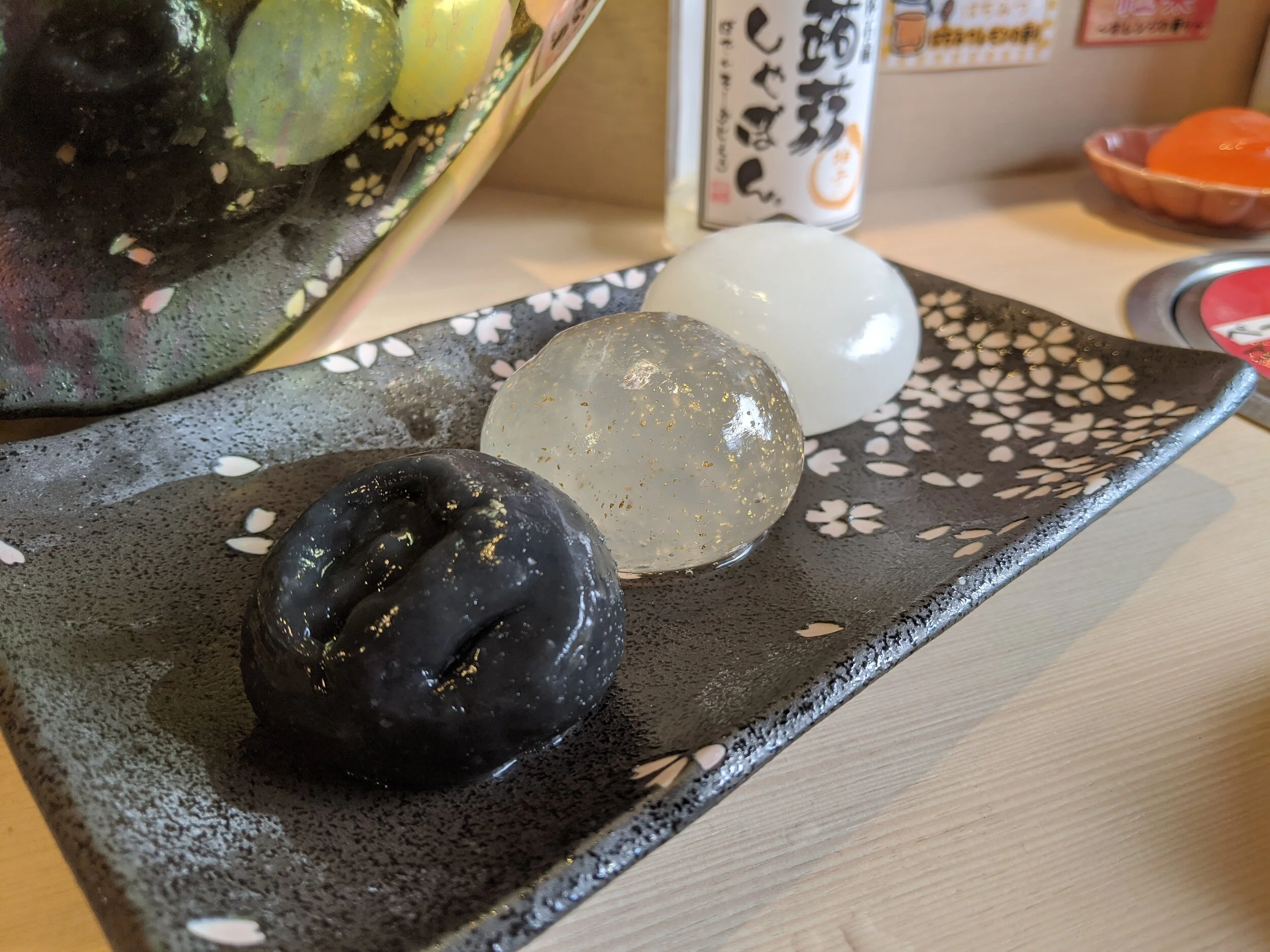
Is it jello? A toy? No, its hand/facial soap from Konnyaku Shabon in Japan. Konnyaku Shabon is located all over Japan, but is distinct from other soaps. The very jello-y feel rubs delicately against your hands to make your skin feel softer than ever. The secret to their soap is that they put konnyaku [konjac], a type of jello like potato in their soaps. When you rub the soap in your hands, it creates a lot of foam! They offer a variety of soaps for different uses and different sensitivity levels and even has an English explanation book for you to understand! Ask your Tokyo Guide about these awesome soaps!

Tokyo_Guide_konyaku_shabon.jpg

Tokyo Guide: Konnyaku Shabon soap in Yokohama Chinatown.

#tokyofoodtour #greentea #matcha #japanesegreentea #japantour #tokyotour #instagood #getinmybelly #photooftheday #instacool #tokyo #hellotokyotours #ilovetokyo #hellotyo #streetsoftokyo #visittokyo #foodie #foodtour #preciousmemories #familytravel #thingstodointokyojapan #tokyoguide #kamiyabar #tokyofoodtour #thingstodointokyojapan #tokyofoodtour

Laura Blackhall
TOKYO FOOD TOURS| LEARN ABOUT DASHI

In 2019, Tokyo held the record for having the most Michelin stars in a city, clocking in at an extraordinary 230 restaurants holding one or more stars. In comparison, Paris came in second at 123 stars. Third was Kyoto and fourth was Osaka, two more Japanese cities. Japan has such a rich food culture it even invented (or discovered rather) the fifth flavor called umami. But, what makes Japan have such a rich food culture? It may lie in their use of dashi.

Dashi is a Japanese soup stock which forms the foundation of Japanese cooking. It’s a soup stock that’s used in a wide range of Japanese dishes like miso soup, noodles, takoyaki, okonomiyaki and more. The simple form of dashi is made by boiling kombu (Japanese kelp) and katsuobushi (dried bonito flakes) in water (they sell dashi in packs where you can use it like tea bags).

Dashi was actually the main reason the fifth flavor of umami was discovered. In the early 20th century, Chemistry Professor Kikunae Ikeda came home from a long days work and was sipping on soup that had dashi in it. As he was tasting this he wondered, “Why is it so good? What am I tasting?”. It wasn’t salty, sweet, bitter or sour, it was “pleasant”. He went on to call this umami (umami is derived from the word umai which means delicious).

To best describe the taste of umami , it’s a pleasant, savory taste. But, dashi isn’t the only food that has umami in it. Cheese, nuts, tomatoes, eggs, fish, meats, and even human breast milk have umami in it. But what ties all these different foods together? Professor Ikeda discovered that it had something to do with the chemical compound of these foods.

Foods that are high in glutamates have a lot of umami in it. Our taste receptors respond to glutamates separately from the other four flavors. Kombu and katsuobushi, the two main ingredients of dashi is very high in glutamates which is why it has a lot of umami in it.

Because dashi serves as a base for so much Japanese cooking, it could be a contributing factor to why Japan has three cities in the top five cities holding the most Michelin stars. The pleasant, savory umami taste that’s present in a lot of Japanese food makes everyone fall in love with it. Maybe you can try using dashi in your next dish for some umami taste.

Come join us on Tokyo Food Tours to learn about the rich culture of Japanese cooking and food!

Tokyo_Food_Tours_dashi.jpg

Tokyo Food Tours: Learning about dashi in a store that dates back to 1699. Ask your Tokyo Guide for more.

#tokyofoodtour #greentea #matcha #japanesegreentea #japantour #tokyotour #instagood #getinmybelly #photooftheday #instacool #tokyo #hellotokyotours #ilovetokyo #hellotyo #streetsoftokyo #visittokyo #foodie #foodtour #preciousmemories #familytravel #thingstodointokyojapan #tokyoguide #kamiyabar #tokyofoodtour #thingstodointokyojapan #tokyofoodtour #japanesefans

Laura Blackhall
JAPAN GUIDE| NEW YEARS IN JAPAN

New Years is the biggest holiday in Japan. It is celebrated from January 1st-3rd and used as a time to spend with family. Many shops close in Japan on New Years, so If you are wondering what you can do during New Years, we have a list of things to do in Tokyo, Japan during the New Years holiday.

  1. Visit a Shrine or Temple: It is tradition for Japanese families to visit a Shrine or Temple to pay respects to their local deities and pray for a good upcoming year. Beware of massive crowds at popular Shrines and Temples like the Meiji Shrine or Asakusa Temple!

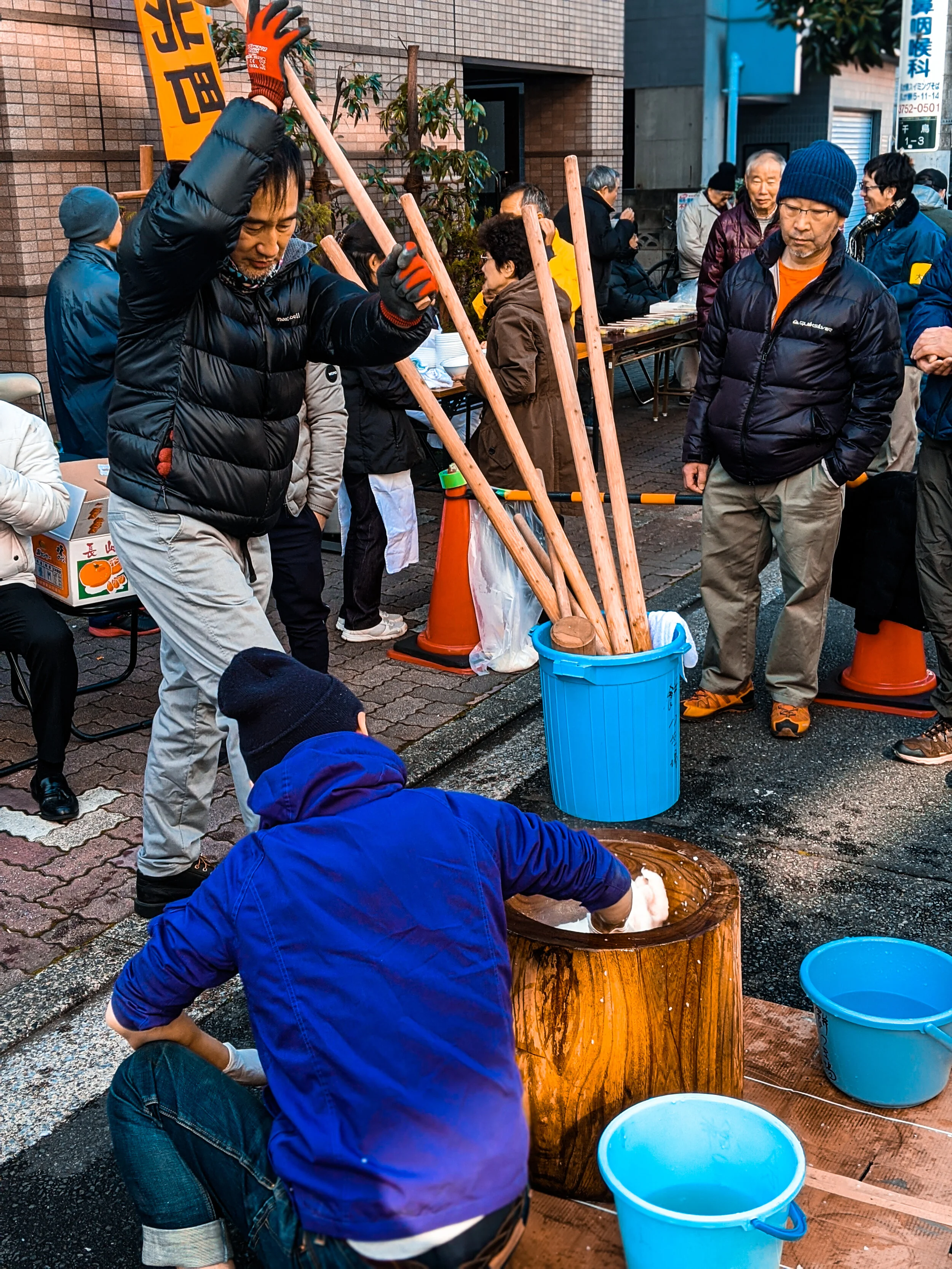
  2. Eat mochi: A common thing to eat on New Years is mochi (glutinous rice cake) which is paired with ozoni soup (red bean soup). It is said to bring you good luck in the upcoming year. If you are lucky enough you might be able to see some neighborhoods hand-make their mochi by pounding rice and water! Handmade mochi tastes much better than store bought machine made ones!

  3. Enjoy some peace and quiet in the busy streets: Because everyone is off on New Years, the bustling city streets might be a little less busy than usual. Its a rare sight to see!

If you are in Japan during New Years, you’d definitely get a sight that’s rare to see throughout the rest of the year!

Japan_Guide_New_Years.jpg

Japan Guide: Small neighbor in Ota-ku, Tokyo pounding mochi to prepare for the New Years holiday.

#tokyofoodtour #greentea #matcha #japanesegreentea #japantour #tokyotour #instagood #getinmybelly #photooftheday #instacool #tokyo #hellotokyotours #ilovetokyo #hellotyo #streetsoftokyo #visittokyo #foodie #foodtour #preciousmemories #familytravel #thingstodointokyojapan #tokyoguide #kamiyabar #tokyofoodtour #thingstodointokyojapan #tokyofoodtour

Laura Blackhall
GUIDED TOURS OF JAPAN| JOURNEY THROUGH TIME THROUGH FOOD

Visit over 10 vendors and restaurants on our guided tours of Japan. One our highly rated food tour: A Journey Through Time Through Food, we bring you on a journey through different time periods in Japan and eat foods that are associated with that time period. Beginning in the past, we explore key ingredients and underlying flavors of Japanese cooking. This includes visiting shops that are from the 1700s! We then move forward into the present where we see how society has evolved. In the present we eat like salary men and see how food is integrated in current society. At last, we arrive in the future and discuss how food can be changed for modern, younger audiences. Come join us if you are looking for things to do in Tokyo Japan!

Guided_tours_of_japan.jpg

Tokyo Guide: Sid (Guide) posing with Andrew, Joe, Patrick and Shef on our Journey Through Time Through Food Tour.

#tokyofoodtour #greentea #matcha #japanesegreentea #japantour #tokyotour #instagood #getinmybelly #photooftheday #instacool #tokyo #hellotokyotours #ilovetokyo #hellotyo #streetsoftokyo #visittokyo #foodie #foodtour #preciousmemories #familytravel #thingstodointokyojapan #tokyoguide #kamiyabar #tokyofoodtour #thingstodointokyojapan #tokyofoodtour

Laura Blackhall
YOKOHAMA TOUR| MAKE YOUR OWN CUP NOODLE AT CUP NOODLE FACTORY

Come design your very own Cup Noodle with us. From the flavoring to the cup design - let your creativity flow! The Cup Noodle Museum in Yokohama includes a mini theater and creative exhibits to help you understand the history of Nissin Food Company and Momofuku Ando - inventor of the instant ramen and Cup Noodles. The instant ramen package was created in 1958 by the founder of Nissin Food Company, Momofuku Ando. The Cup Noodles was invented later on by him in 1971. Once we look through the museum together - you can enter into the My Cup Noodle Factory where you create and design your own Cup Noodles to take home. You first receive and empty Styrofoam cup where you can draw your own designs on it. After choosing your special design you bring it over to the factory area where you choose your soup flavor and toppings! Then you can watch it get packaged and ready made for you to take home. Come make one with us!

Yokohama_tour_cup_noodle_museum.jpg

Yokohama Guide: Design your own Cup Noodle at the Cup Noodle Factory in Yokohama.

#tokyofoodtour #greentea #matcha #japanesegreentea #japantour #tokyotour #instagood #getinmybelly #photooftheday #instacool #tokyo #hellotokyotours #ilovetokyo #hellotyo #streetsoftokyo #visittokyo #foodie #foodtour #preciousmemories #familytravel #thingstodointokyojapan #tokyoguide #kamiyabar #tokyofoodtour #thingstodointokyojapan #Yokohama #CupNoodleMuseum

Laura Blackhall
TOKYO GUIDE| GANSO SHOKUHIN SAMPLE-YA ASAKUSA (JAPANESE FOOD MODELS)

When strolling around Japan on an empty stomach and looking for something to eat, have you ever noticed fake food models at a restaurant in a window display and thought that actually looks delicious! Well, there is actually a huge market for fake food models for restaurant business owners in Japan. In Asakusa, there is a place near the Sensoji Temple called Kitchen Town where they sell all sorts of items and goods for chefs and restaurant owners. There are many stores that sell fake foods to be on display. One of the oldest ones is Ganso Shokuhin Sample-Ya that has been making fake foods since 1932. Currently, they sell to tourists too but also offer classes to make one yourself! They have different courses to make different foods and depending on the time of year they will have different foods for seasonal cuisines.

You may also be wondering why one Earth these came to be? The exact origins are unclear but in the 1920s and 1930s it became more popular to eat out. To satisfy people who are not used to eating out, restaurant owners began placing these fake foods on their display to let customers know what they will get at the restaurant. However, it wasn’t an extremely common thing until foreigners made it a staple for restaurant owners to have. More foreigners began living in Japan in the early 20th century, so to help the language barrier, it was easy to have the foods on display so that foreigners can simply point to what they want so they know what they will get.

It’s definitely an interesting industry!

Tokyo_Guide_Kitchen_street_asakusa.jpg

Asakusa Guide: A food model in the shape of carrots taking a bath.

#tokyofoodtour #greentea #matcha #japanesegreentea #japantour #tokyotour #instagood #getinmybelly #photooftheday #instacool #tokyo #hellotokyotours #ilovetokyo #hellotyo #streetsoftokyo #visittokyo #foodie #foodtour #preciousmemories #familytravel #thingstodointokyojapan #tokyoguide #kamiyabar #tokyofoodtour #thingstodointokyojapan #japanesefoodmodels #kitchenstreet

Laura Blackhall
YOKOHAMA TOUR| VISIT THE LARGEST CHINA TOWN IN JAPAN

In 1859, Yokohama opened up its port to the rest of the world after hundreds of years of seclusion. This was the first time Japan began larger scale trade with the Western world and also the first time large numbers of foreigners began moving to Japan. The Japanese government decided to move foreigners to designated spots to live in. The Europeans and Americans had the Yamate area and the Chinese were given a large portion of central Yokohama. This community expanded and became known as Motomachi-Chukagai or Chinatown. They have hundreds of vendors that sell authentic Chinese cuisines and a couple Chinese temples erected by Chinese locals. It became the largest Chinatown in Japan and one of the largest ones in the world! It is a unique blend of history and culture in the middle of Yokohama.

Yokohama_tour_chinatown.jpg

Yokohama Guide: Trying shumai, or steamed dumplings from a vendor in Yokohama Chinatown!

#tokyofoodtour #greentea #matcha #japanesegreentea #japantour #tokyotour #instagood #getinmybelly #photooftheday #instacool #tokyo #hellotokyotours #ilovetokyo #hellotyo #streetsoftokyo #visittokyo #foodie #foodtour #preciousmemories #familytravel #thingstodointokyojapan #tokyoguide #kamiyabar #tokyofoodtour #thingstodointokyojapan

Laura Blackhall
OUR TOKYO FOOD TOURS| EAT LIKE A LOCAL

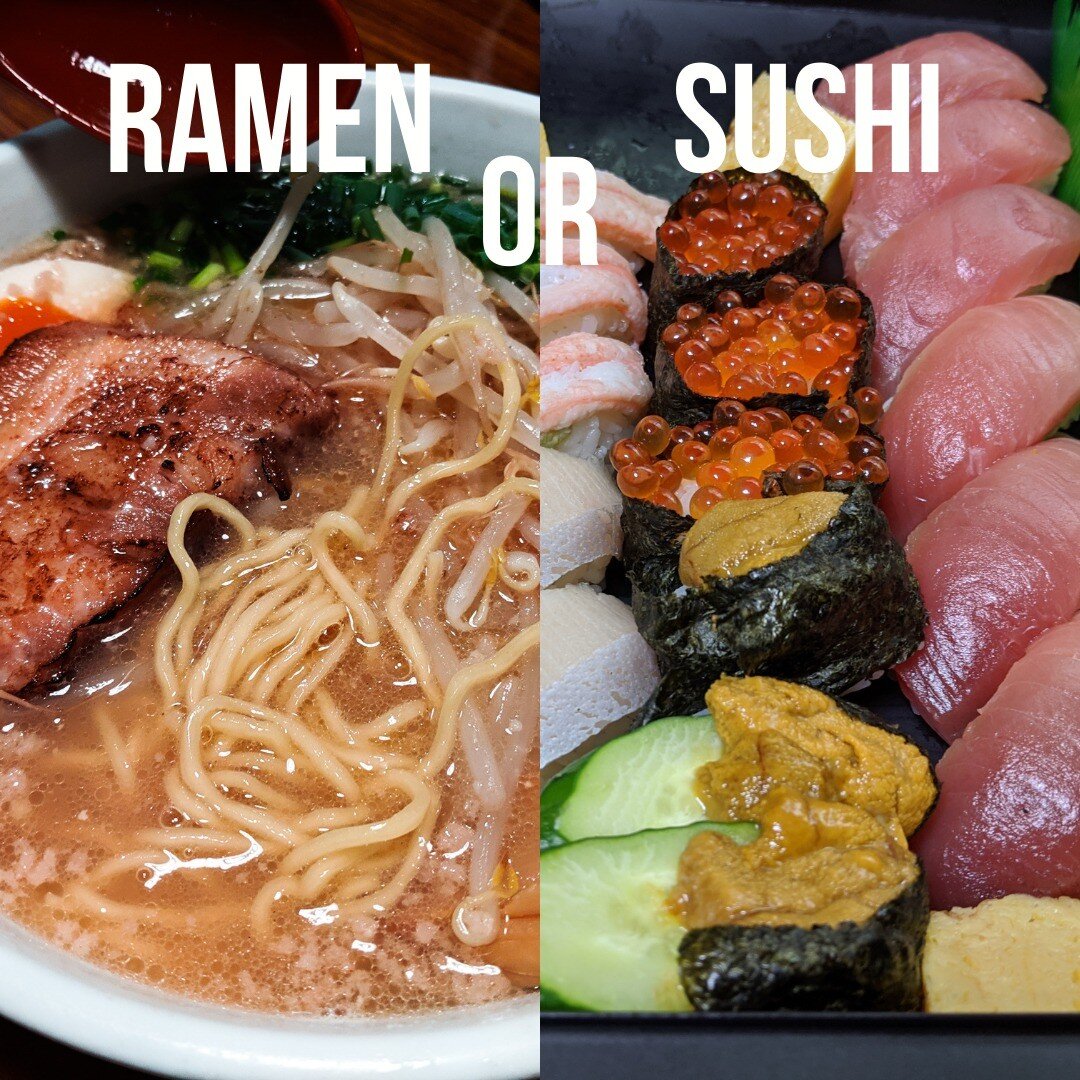
When coming to Japan, eating sushi and ramen is most likely in everyone’s things to do in Tokyo, Japan list. After joining us on Tokyo food tours, you will most likely have learned about and tried foods that you would not have tried other than the mainstream sushi and ramen! We visit 10+ vendors that sell foods that are commonly enjoyed by Japanese people, but often not known about by foreigners. Some even date back to the 18th and 19th century! Come join us on a Tokyo food tour to eat like a TRUE local!

Tokyo_food_tours.jpg

Tokyo Guide: Andrea and Anthony joining us on a food tour! Their favorites were a small little noodle stand and a shop from the 1700s!

#tokyofoodtour #greentea #matcha #japanesegreentea #japantour #tokyotour #instagood #getinmybelly #photooftheday #instacool #tokyo #hellotokyotours #ilovetokyo #hellotyo #streetsoftokyo #visittokyo #foodie #foodtour #preciousmemories #familytravel #thingstodointokyojapan #tokyoguide #kamiyabar #tokyofoodtour #thingstodointokyojapan

Laura Blackhall
TOKYO GUIDE| KIMURA NINGYOYAKI AT ASAKUSA SENSOJI TEMPLE

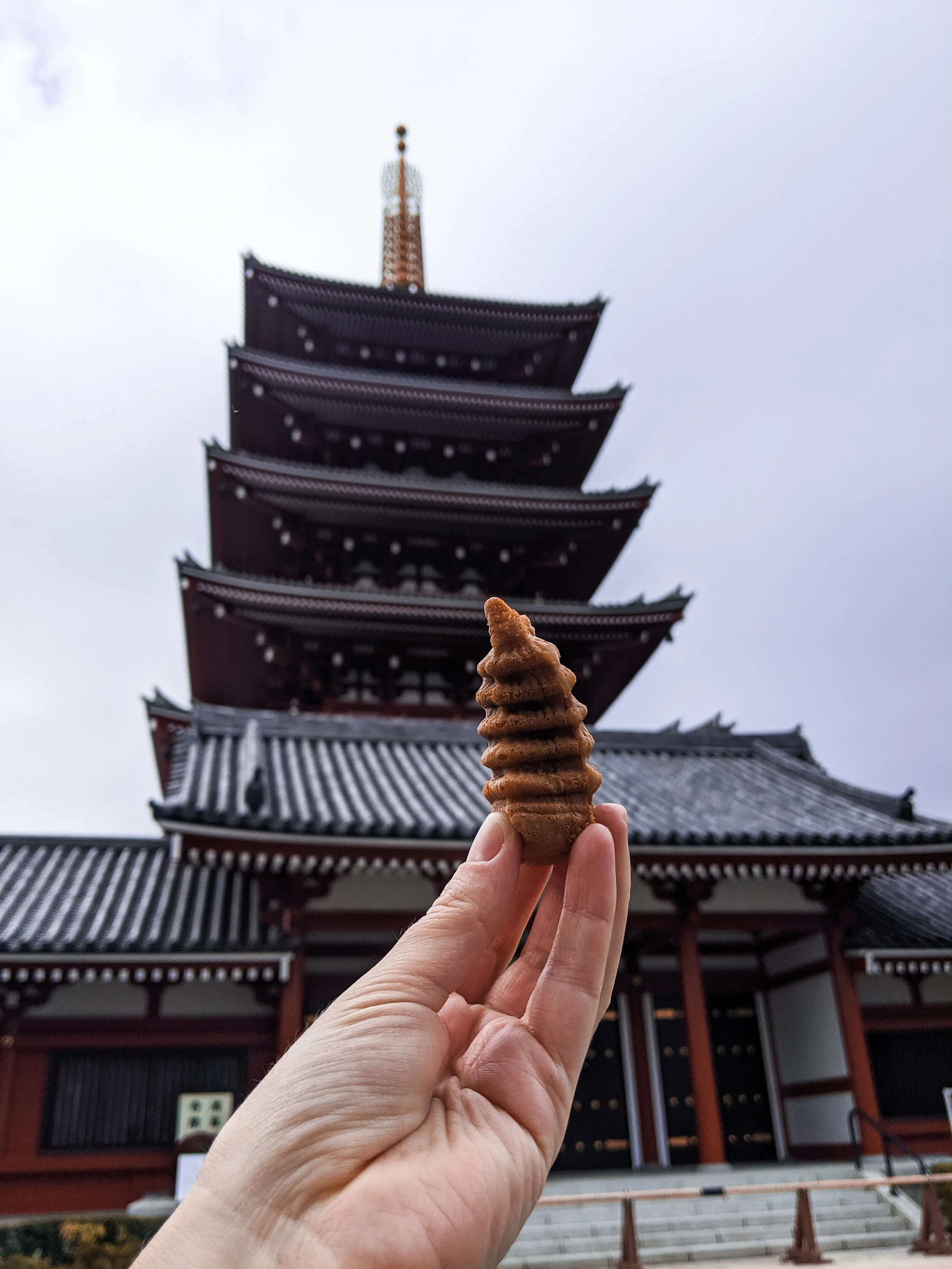
Ningyoyaki, or literally baked dolls are a famous sweet snack from Asakusa in Tokyo. They are basically small cakes filled with red beans in different shapes. There are many shops that sell Ningyoyaki at the Nakamise Shopping Street that lead up to the famous Sensoji Temple. Among them is the shop Kimura, founded in 1868 and also the founder of the Ningyoyaki. They were originally in the shapes of Shichifukujin or the Seven Lucky Gods. So, you can imagine if there was instagram back then, it would have been a big hit on social media!

Tokyo_Guide_Asakusa_Sensoji_temple.jpg

Tokyo Guide: Try the original Ningyoyaki at Kimura near the Sensoji Temple in Asakusa.

#tokyofoodtour #greentea #matcha #japanesegreentea #japantour #tokyotour #instagood #getinmybelly #photooftheday #instacool #tokyo #hellotokyotours #ilovetokyo #hellotyo #streetsoftokyo #visittokyo #foodie #foodtour #preciousmemories #familytravel #thingstodointokyojapan #tokyoguide #kamiyabar #tokyofoodtour #sensoji #asakusa

Laura Blackhall
TOKYO THINGS TO DO| VISIT THE OLDEST BAR IN JAPAN

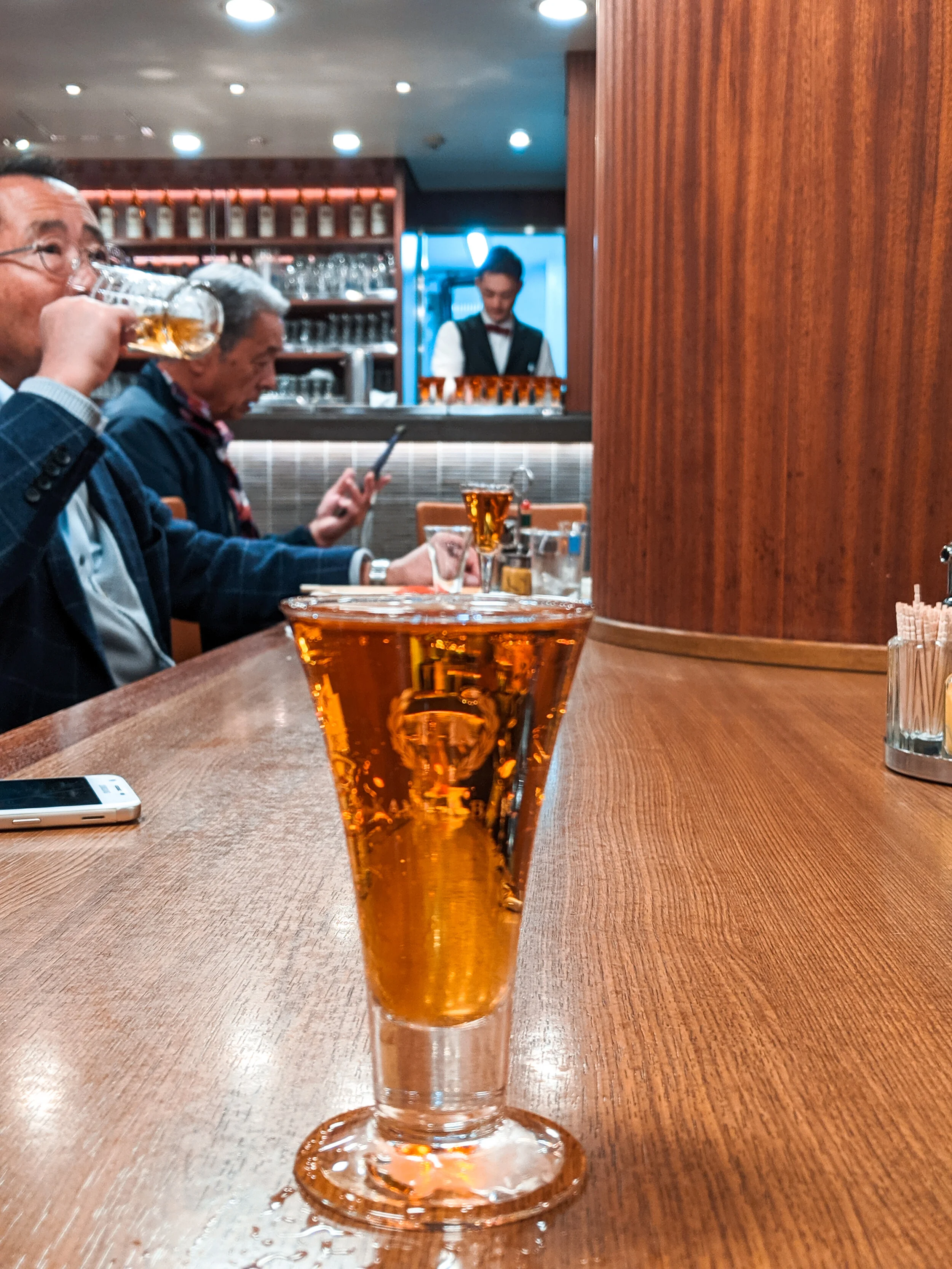
If you are wondering what to add to your Tokyo things to do list, add the Kamiya Bar! Kamiya Bar opened up in 1880 and is the first western style bar in Japan. Their special house drink, Denki Bran (Electric brandy), has been served here for over a century. Its a mix of brandy, gin, vodka, curacao, herbs and other secret recipes to make this tasty alcoholic drink. It use to have a 45% percent alcohol content back in the day, but has been dropped down in recent times. You can order two different Denki Brans, one with 40% or one with 30% alcohol content. But beware, its tasty and cheap (about 2 US Dollars for a generous pour) so choose wisely!

Tokyo_things_to_do_denki_bran.jpg

Tokyo Guide: Denki Bran at the oldest bar in Japan.

#tokyofoodtour #greentea #matcha #japanesegreentea #japantour #tokyotour #instagood #getinmybelly #photooftheday #instacool #tokyo #hellotokyotours #ilovetokyo #hellotyo #streetsoftokyo #visittokyo #foodie #foodtour #preciousmemories #familytravel #thingstodointokyojapan #tokyoguide #kamiyabar #tokyofoodtour #denkibran #oldestbarinjapan

Laura Blackhall