
Japanese Money Guide for Guided Tours of Japan 2026
If you're planning a trip to Japan, one of the first things you'll notice is that the country's currency may look quite different from what you're used to. Understanding Japanese money before your arrival can make shopping, dining, and getting around much easier.
Whether you're joining guided tours of Japan or exploring on your own, becoming familiar with Japanese coins and banknotes will help you feel more confident during your travels.
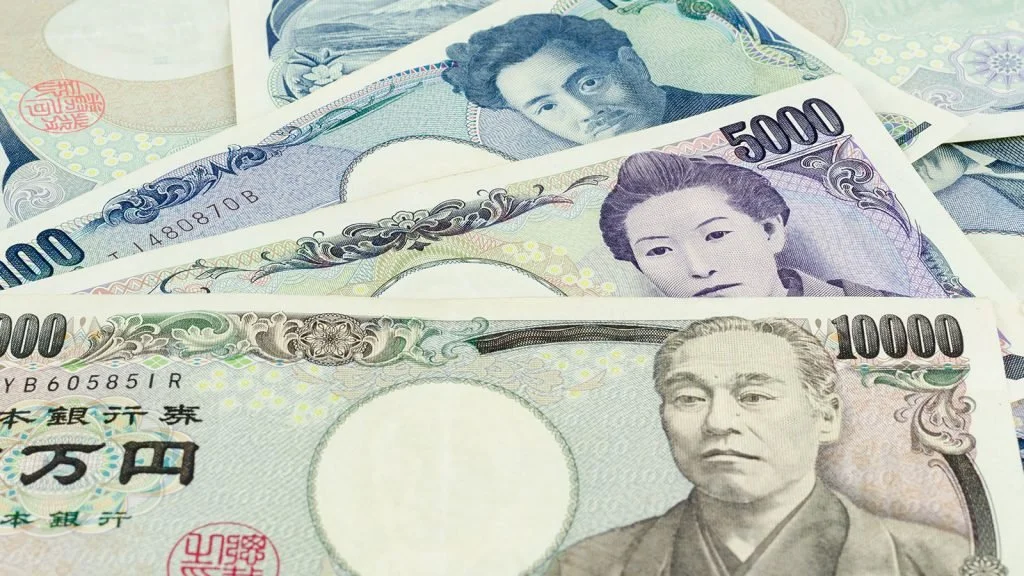
Photo Credit: The Washington Post
What Is the Currency Used in Japan?
Japan's official currency is the Japanese Yen, abbreviated as JPY and represented by the symbol ¥.
Prices in Japan are typically displayed in whole Yen amounts. Unlike some currencies, there is no commonly used "cent" equivalent in everyday transactions.
Japanese Coins Explained
Japan has six coin denominations, all of which are commonly used.
¥1 Coin: ichi-en
Made of aluminum and incredibly lightweight, the ¥1 coin is the smallest denomination in Japan.
Although it has a low value, it is still used in everyday transactions and often appears as change after purchases.
¥5 Coin: go-en
The ¥5 coin is one of Japan's most recognizable coins because it has a hole in the center.
Many Japanese people consider the ¥5 coin lucky. The pronunciation of "five yen" (go-en) sounds similar to a Japanese word associated with good fortune and positive connections, making it a popular coin for shrine offerings.
¥10 Coin: jū-en
The ¥10 coin features the famous Byodo-in Temple, a UNESCO World Heritage Site located near Kyoto.
This coin is commonly used for small purchases and is one of the most frequently seen coins in circulation.
¥50 Coin: gojū-en
Another coin with a hole in the center, making it easy to identify.
Its design includes chrysanthemums, Japan's national flower and an important symbol in Japanese culture.
¥100 Coin: hyaku-en
The ¥100 coin is one of the most useful denominations for travelers. It is widely accepted in vending machines, convenience stores, and various attractions.
Many budget-friendly purchases throughout Japan fall within the ¥100–¥500 range.
¥500 Coin: gohyaku-en
The ¥500 coin is the highest-value coin currently in circulation in Japan.
It is commonly used for transportation tickets, vending machines, lockers, and everyday purchases. Because of its value, many travelers initially mistake it for a banknote denomination.
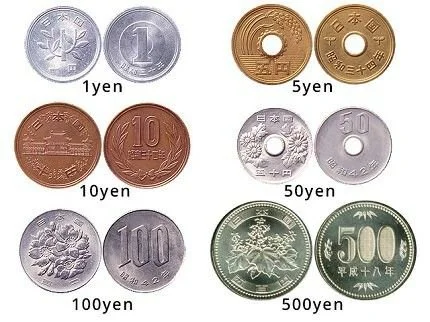
Photo Credit: Pinterest
Japanese Banknotes Explained
Japan currently uses three main banknotes, each featuring notable historical figures who have contributed to Japanese society.
¥1,000 Note: sen-en
The most commonly used banknote in Japan.
It is ideal for daily expenses such as meals, transportation, and shopping. Travelers will likely receive and use this note frequently during their visit.
¥5,000 Note: gosen-en
Frequently used for restaurant bills, shopping, and transportation expenses.
It is less common than the ¥1,000 note but still widely circulated throughout the country.
¥10,000 Note: ichiman-en
Japan's highest-value banknote in regular circulation.
Visitors often receive this note when withdrawing cash from ATMs. Although it represents a relatively large amount of money, it is accepted almost everywhere in Japan.
The Rare ¥2,000 Note: nisen-en
Japan also has a ¥2,000 banknote, first introduced in 2000 to commemorate the new millennium and the G8 Summit held in Okinawa.
While it remains legal tender, it is rarely seen in everyday transactions, and many visitors may never encounter one during their trip.
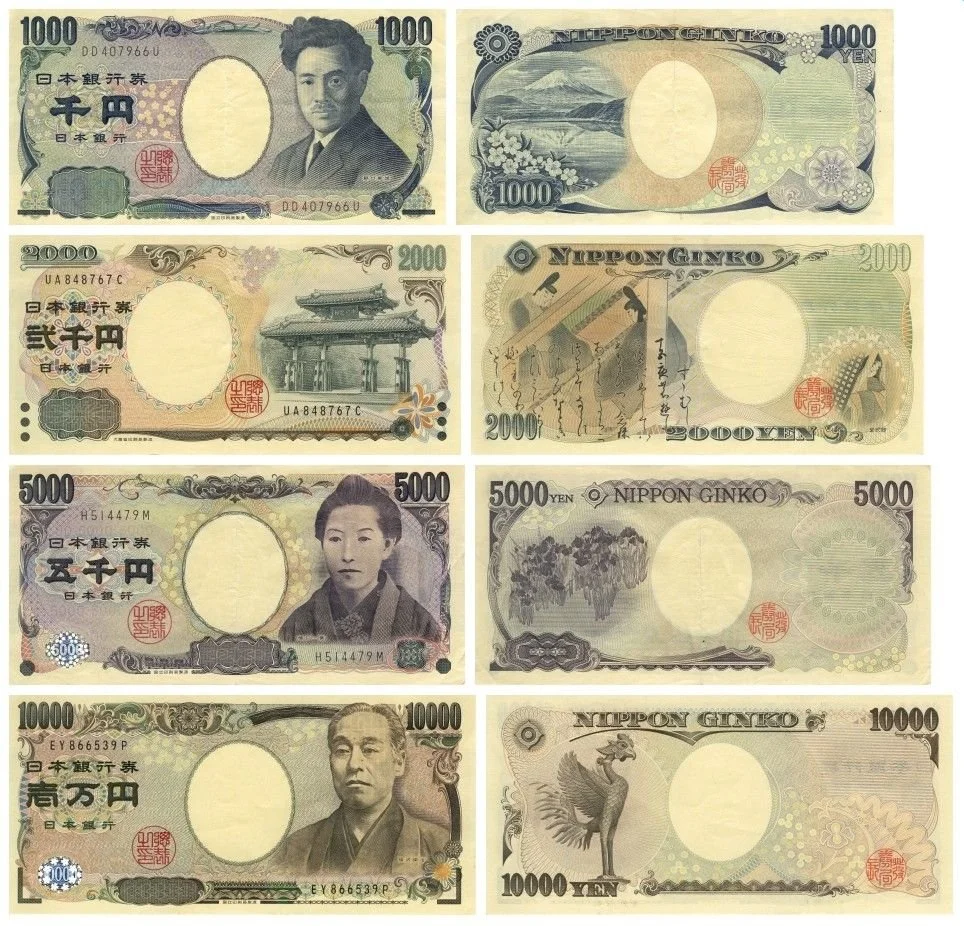
Photo Credit: Pinterest
Tips for Travelers
When traveling in Japan, don't be surprised if your wallet quickly fills with coins. Many transactions result in coin change, especially when making small purchases.
Taking a few moments to learn the appearance and value of each coin and banknote before your trip can make transactions faster and more comfortable!
Japanese money is straightforward once you become familiar with the different denominations. From the iconic ¥5 coin believed to bring good fortune to the widely used ¥1,000 banknote, each piece of Japanese currency reflects a small part of the country’s culture and history.
Whether you're visiting for a few days or embarking on guided tours of Japan across multiple cities, having a reliable Japanese tour guide and a basic understanding of Japanese coins and banknotes will help you navigate daily life with greater ease and confidence.
Connect with us!