
How iOS Helps Solo Travelers Explore Tokyo Safely
Tokyo has a reputation for being one of the easiest big cities to fall in love with alone. It's also, if we're honest, a place where a solo traveler can feel out of their depth within an hour of landing. Getting turned around inside Shinjuku Station, ordering something unrecognizable off a vending machine menu, or losing signal near a quiet backstreet in Yanaka — none of that is rare. What helps is that most people already carry a small toolkit for exactly these moments: an iPhone. Between maps, translation, and a bit of digital housekeeping, iOS quietly removes a lot of the friction that used to make solo travel to Japan feel intimidating.
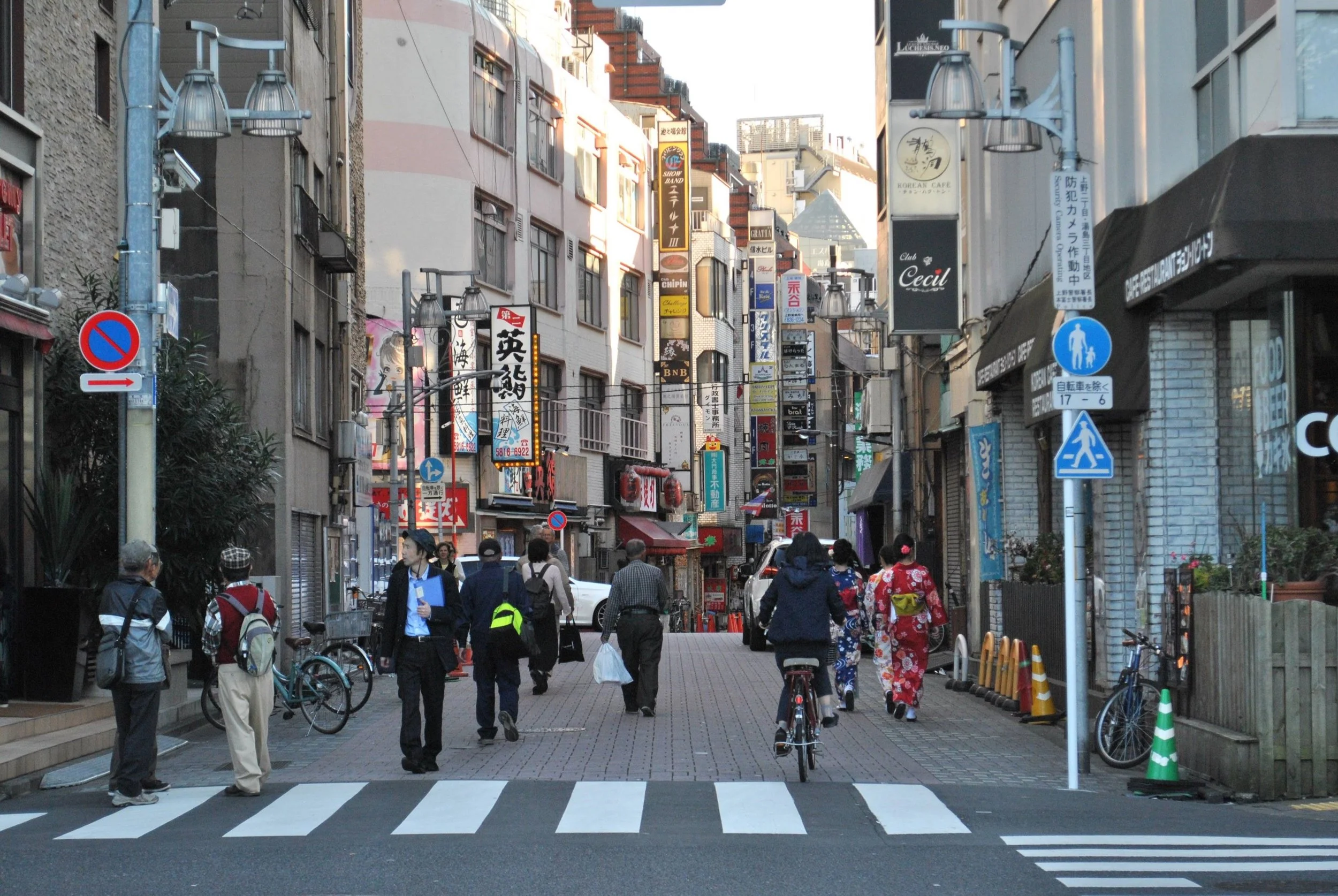
Why Tokyo Feels Safer Than It Looks
Japan's crime statistics back up its reputation. Tokyo's Metropolitan Police reports some of the lowest rates of violent crime among the world's major cities, and pickpocketing — a constant worry in many European capitals — is unusually rare here. Trains run on time down to the minute, and a dropped wallet has a real chance of being turned in rather than pocketed.
None of that means "safe" and "simple" are the same thing. Language barriers and unsecured public Wi-Fi are quieter risks that never show up in a crime report. A city can be physically safe while your phone's data isn't, especially the second you connect to a random hotspot to check a bank balance.
Getting Around Without Speaking a Word of Japanese
Apple Maps has gotten noticeably better for Japan, now showing platform-level directions inside stations and live delay updates for JR and Metro lines. Google Maps still wins for some bus routes on the outskirts, so plenty of solo travelers keep both apps installed.
One small step saves real time: adding a Suica or Pasmo card to Apple Wallet before departure. Tapping through station gates becomes automatic — no ticket machine, no guessing. Travelers who do this often say it shaves fifteen minutes off every day of sightseeing.
Protecting Your Data Before You Even Check In
Free public Wi-Fi is frankly everywhere in Tokyo - train stations, convenience stores, coffee shops, even some vending machines - and very little of it is properly encrypted. This is exactly where a free VPN earns a spot on the home screen. It wraps outgoing traffic in encryption before you log into email or mobile banking on a network run by someone you'll never meet. Setting one up takes less time than ordering a coffee, and a service built specifically to protect your iOS online runs quietly in the background without slowing down the maps app you're relying on to find your hostel. There are no technical difficulties, but security increases significantly.
There's a second, less obvious reason this matters for solo travelers specifically: streaming services, banking apps, and even some airline sites behave differently, or refuse to load at all, when they detect a Japanese IP address. A VPN sidesteps that without any real technical fuss.
Talking to Strangers Without a Shared Language
Live Translate and Apple's built-in Translate app have quietly become one of the more underrated travel tools on iOS. Point the camera at a menu or a train sign, and text converts almost instantly; hold a short spoken conversation with a shopkeeper, and the phone handles the back-and-forth. It isn't flawless — idioms and fast speech still trip it up — but for asking directions, ordering food, or explaining a dietary restriction, it works far better than most people expect.
A quick tip locals and repeat visitors share often: download the Japanese language pack for offline use before you land. Subway tunnels and basement izakayas rarely have signal, and offline translation still works when everything else stalls.
What to Do If Something Actually Goes Wrong
Every iPhone released in the last few years carries Emergency SOS, and in Japan it can dial 110 for police or 119 for fire and ambulance with a few button presses, even without a local SIM active. Medical ID, buried in the Health app, lets first responders see allergies, medications, and an emergency contact without unlocking the phone at all — worth filling out before, not during, a crisis.
Share My Location is arguably the single most useful safety habit for anyone traveling alone. Send a live location link to one person back home, and they can see where you are in real time for the length of the trip. It costs nothing, takes thirty seconds to set up, and means someone always knows roughly where you were last.
Paying, Booking, and Finding Local Spots
Apple Pay is accepted at a growing number of Tokyo shops and nearly all major convenience store chains, though cash still rules in smaller family-run restaurants, so carrying some yen remains sensible. For research before a trip or quick bookings on the fly, plenty of travelers do their planning in a browser rather than an app — and if that browser is Chrome, adding a lightweight extension like the free VPN for Chrome keeps that side of the trip covered too. This is especially important when comparing flight or hotel prices that sometimes shift based on region.
As one traveler put it in a Tokyo forum thread: "I stopped worrying about the language and started worrying about my data instead — that's the trip Tokyo actually throws at you."
A Short Checklist Before You Land
A few minutes of setup before departure prevents most of the common headaches:
Add Suica or Pasmo to Apple Wallet
Download offline Japanese for Translate
Turn on a free VPN before connecting to any public Wi-Fi
Fill out Medical ID in the Health app
Set up Share My Location with one trusted contact
Save your hotel address in Japanese, screenshotted, for taxi drivers
None of these take more than a couple of minutes individually, yet together they cover most of what actually goes wrong on a solo trip.
Tokyo rewards travelers who show up slightly prepared and otherwise stay out of their way. The city itself handles the safety part remarkably well; the phone in your pocket, set up properly before you land, handles nearly everything else.